

Navigating the world of cat nutrition can feel like decoding a complex algorithm. For owners of the intelligent, elegant Russian Blue, the stakes are even higher. This breed isn't just any cat; it's a finely-tuned machine with specific dietary requirements to maintain its lean muscle mass, plush double coat, and overall vitality.
This comprehensive guide, crafted by the Paw Vortex Pet Experts, acts as your technical manual for optimizing your Russian Blue's health through nutrition. We'll analyze the best food types—from high-protein formulas to wet vs. dry debates—provide a data-driven feeding schedule, and offer actionable strategies for weight management. By the end, you'll have all the specs you need to make an informed, tech-savvy choice for your feline companion.
Last validated: March 2026
Table of Contents
- 1. Understanding Russian Blue Cat Nutritional Needs
- 2. Best Food for Russian Blue Kittens: Fueling Growth
- 3. Russian Blue Cat Feeding Schedule & Portion Control
- 4. Wet vs. Dry Food: A Tech-Savvy Comparison
- 5. Senior Russian Blue Cat Nutrition & Health
- 6. Russian Blue Cat Hydration & Water Intake
- 7. How to Switch Food for Your Russian Blue Cat
- 8. Key Statistics & Insights on Russian Blue Diets
- 9. Safe Alternatives & Practical Solutions
- 10. Paw Vortex Product Showcase: Top Picks for Your Russian Blue
- 11. Final Thoughts: Key Takeaways
- 12. Frequently Asked Questions (FAQ)
Jump to any section by clicking the links above.
1. Understanding Russian Blue Cat Nutritional Needs
Russian Blues are more than just a beautiful face. Their genetic makeup dictates a need for a diet rich in animal protein. As a breed that originated in cold climates, they possess a lean, muscular build and a dense double coat, both of which require high-quality protein and essential fatty acids to maintain. Understanding these Russian Blue cat nutritional needs is the first step in selecting the best food for Russian Blue cat health.
The Protein Imperative
As obligate carnivores, Russian Blues thrive on a diet where animal protein is the star ingredient. Look for foods where a named meat (like chicken, turkey, or salmon) is the first ingredient. A high protein cat food Russian Blue supports muscle maintenance, energy levels, and a healthy, shiny coat. Avoid foods where corn, wheat, or soy are primary components, as these offer little nutritional value for your feline friend.
AAFCO Guidelines: Your Baseline Spec
When evaluating any Russian Blue cat food, the first filter should be the AAFCO (Association of American Feed Control Officials) statement. For kittens, you need a food formulated for "growth" or "all life stages." For adults, look for "maintenance." This ensures the food meets the minimum nutritional requirements established by veterinary nutritionists.
| Nutrient | Ideal Level | Why It Matters for Russian Blues |
|---|---|---|
| Crude Protein | Minimum 40% (dry matter basis) | Supports lean muscle mass, a hallmark of the breed, and energy for their active, intelligent nature. |
| Crude Fat | 15-20% (dry matter basis) | Provides concentrated energy and omega fatty acids for a healthy, plush double coat and skin. |
| Moisture | High (from wet food) | Crucial for urinary tract health; Russian Blues can be prone to lower urinary tract issues if dehydrated. |
Takeaway: Your Russian Blue's diet should be built on a foundation of high-quality animal protein, essential fats, and adequate moisture, strictly adhering to AAFCO guidelines.
2. Best Food for Russian Blue Kittens: Fueling Growth
The rapid growth phase of a Russian Blue kitten (0-12 months) demands a specialized diet. Kitten food Russian Blue formulas are engineered with higher levels of protein, fat, and essential nutrients like DHA for brain and vision development. Choosing the best kitten food for Russian Blue sets the stage for a lifetime of good health.
Kitten Nutrition Requirements
During their first year, Russian Blue kittens need about twice the energy per pound of body weight compared to an adult. Look for a food specifically labeled for growth. A high protein diet for Russian Blue kittens is non-negotiable. Formulas with DHA, an omega-3 fatty acid, are also excellent for supporting cognitive development in this highly intelligent breed. Grain free food Russian Blue options are popular, but ensure they still meet the high protein and fat requirements, as some grain-free foods can be low in fiber or higher in carbohydrates.
A great foundational option is Purina Cat Chow Complete 20 lb, which offers a balanced formula suitable for all life stages, providing a solid nutritional baseline for a growing kitten.
Feeding Schedule for Russian Blue Kittens
Unlike adult cats who can often be fed twice a day, kittens have smaller stomachs and higher metabolisms. The feeding schedule Russian Blue kittens need is more frequent. Free-feeding (leaving dry food out) can work for some kittens, but portion control is key to prevent overeating.
| Age | Meals Per Day | Feeding Tips |
|---|---|---|
| 2-4 months | 4 times | Combine wet and dry food. Monitor for signs of a round belly, which could indicate overfeeding. |
| 4-6 months | 3 times | Start to establish a routine. Use puzzle feeders to engage their intelligence and slow down eating. |
| 6-12 months | 2-3 times | Gradually transition to adult portion sizes. Maintain a consistent schedule. |
Using a food like Active Cat Weight Control Formula – 4lb Bag is not typically for kittens, but its focus on controlled portions highlights the importance of mindful feeding habits you should cultivate early on.
Takeaway: Feed your Russian Blue kitten a high-protein, nutrient-dense diet 2-4 times a day, focusing on portion control to establish healthy habits from the start.
3. Russian Blue Cat Feeding Schedule & Portion Control
As your Russian Blue matures, their feeding regimen shifts from growth to maintenance. This is the critical stage where portion control Russian Blue cat practices become paramount to prevent obesity, a common issue in less active indoor cats. Understanding how much should I feed my Russian Blue cat involves more than just following a bag's label.
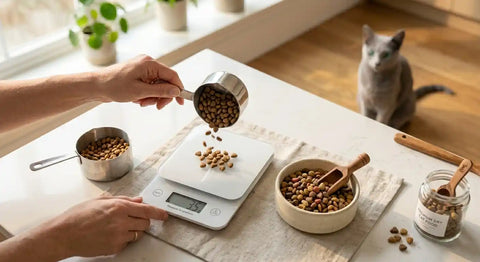
Understanding Russian Blue Cat Feeding Needs
An adult Russian Blue typically needs 200-250 calories per day, but this varies based on activity level, metabolism, and whether they are spayed/neutered. The Russian Blue cat feeding chart on your chosen food is a starting point. A high moisture cat food Russian Blue diet can aid in satiety, making it easier to manage portions as the water content adds volume without extra calories.
For a baseline dry food option, Meow Mix Original Choice Dry Cat Food, Heart Health & Oral Care Formula (32 lbs.) offers a balanced formula that can be portioned out. However, always measure with a proper scoop, not a coffee mug.
Tips for Maintaining a Healthy Weight in Russian Blue Cats
Prevention is the best obesity prevention Russian Blue strategy. Once a cat is overweight, it can be challenging to get the weight off. If you're dealing with a finicky eater, Russian Blue cat picky eater solutions often involve rotating textures or using toppers. For weight management, the math is simple: calories in must be less than or equal to calories out.
Quick-Reference: Weight Management for Russian Blues
- Measure Everything: Use a digital kitchen scale for the most accurate Russian Blue cat portion sizes. A "cup" can vary widely.
- Calculate Daily Calories: Aim for 20-25 calories per pound of ideal body weight.
- Increase Activity: Use interactive toys and puzzle feeders to make your cat work for their food, burning calories and engaging their mind.
- Consider weight management food Russian Blue: These formulas are lower in fat and higher in fiber, helping your cat feel full longer. Active Cat Weight Control Formula – 4lb Bag is designed specifically for this purpose.
Takeaway: Precision is key. Measure portions, calculate daily caloric needs, and combine a controlled diet with interactive play to maintain your Russian Blue's ideal weight.
4. Wet vs. Dry Food: A Tech-Savvy Comparison
The debate between wet vs dry food Russian Blue is a classic one. The optimal choice isn't a single option but a strategic combination that leverages the benefits of both. Understanding the pros and cons of each will help you design the ideal feeding protocol for your Russian Blue.
Benefits of Wet Food for Russian Blue Cats
Wet food for Russian Blue cats is the gold standard for hydration. With a moisture content of 70-80%, it mirrors the natural prey diet and is the single best way to prevent urinary tract diseases. It's also lower in carbohydrates and higher in animal protein. For those considering a raw diet Russian Blue, many commercial raw options are also high in moisture. The higher protein content aligns perfectly with the high protein cat food Russian Blue requirement.
Benefits of Dry Food for Russian Blue Cats
Dry food for Russian Blue cats offers convenience, cost-effectiveness, and dental benefits. The kibble's texture can help reduce plaque and tartar buildup. For owners who are away from home, it can be left out for free-choice feeding (though this should be done cautiously with portion-prone breeds). A quality dry food like Purina Cat Chow Complete 20 lb provides a stable, shelf-stable base.
| Feature | Wet Food | Dry Food |
|---|---|---|
| Hydration | Excellent (70-80% moisture) | Poor (5-10% moisture) |
| Protein Content | Typically higher, animal-based | Can be high, but may contain plant proteins |
| Carbohydrates | Lower | Higher (needed for kibble formation) |
| Dental Health | Minimal benefit | Provides some abrasive cleaning action |
| Convenience | Requires refrigeration after opening | Highly convenient; can be left out |
Takeaway: For optimal health, combine the hydration and high-protein benefits of wet food with the convenience and dental advantages of dry food.
5. Senior Russian Blue Cat Nutrition & Health
As your Russian Blue enters its golden years (typically 11+), its nutritional needs evolve once again. Senior food for Russian Blue cats is formulated to support aging joints, maintain muscle mass, and manage age-related health issues. A proactive approach to Russian Blue cat nutritional needs in senior years can significantly enhance quality of life.
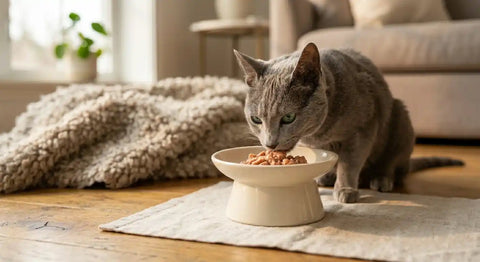
Senior Russian Blue Cat Dietary Needs
Senior cats often require higher protein to counteract age-related muscle loss (sarcopenia). However, they also may have reduced kidney function, which requires a careful balance. Look for foods with high-quality, easily digestible protein and controlled phosphorus levels. The best AAFCO food for Russian Blue seniors will be labeled for "maintenance" but may have specific senior formulations. Active Cat Weight Control Formula – 4lb Bag can be a good option for seniors needing to maintain a healthy weight, as it's lower in fat but still provides essential nutrients.
Tips for Caring for Senior Russian Blue Cats
Appetite can decrease in senior cats due to dental issues or a diminished sense of smell. Implementing Russian Blue cat meal ideas that are palatable and easy to eat is crucial. Warming up wet food can enhance its aroma. Grain free benefits Russian Blue cats are often debated, but for seniors, the focus should be on digestibility rather than simply being grain-free. Regular vet check-ups are non-negotiable to monitor for conditions like kidney disease or hyperthyroidism, which require specific dietary interventions.
For seniors with healthy appetites, Meow Mix Original Choice Dry Cat Food, Heart Health & Oral Care Formula (32 lbs.) can be part of a balanced diet, but always consult your vet to ensure the phosphorus and protein levels are appropriate for your cat's specific health status.
Takeaway: Senior Russian Blues need a diet that is highly digestible, rich in quality protein, and tailored to manage age-related health issues, with regular veterinary guidance.
6. Russian Blue Cat Hydration & Water Intake
Hydration is a critical, yet often overlooked, aspect of the Russian Blue cat diet. Cats have a naturally low thirst drive, having evolved to get most of their moisture from prey. This makes them prone to chronic dehydration and subsequent urinary tract issues. Focusing on Russian Blue cat hydration food and encouraging water intake is a foundational step in preventative care.
Importance of Hydration for Russian Blue Cats
Adequate hydration supports kidney function, flushes the urinary tract, aids digestion, and maintains healthy skin and coat. A diet low in moisture forces the kidneys to work harder to concentrate urine. High moisture cat food Russian Blue diets—primarily wet food or raw food—are the most effective way to ensure your cat is properly hydrated. If your cat is on a primarily dry diet, you must work harder to encourage water consumption.
Incorporating Purina Cat Chow Complete 20 lb as a dry base is fine, but it should be paired with a significant amount of wet food.
Tips for Encouraging Water Intake in Russian Blue Cats
For the cat that seems to ignore their water bowl, you need to get creative. Implementing a Russian Blue cat water intake strategy is about using behavioral insights.
Step-by-Step: Boosting Your Russian Blue's Hydration
- Switch to Wet Food: The single most effective step. Make wet food for Russian Blue cats the cornerstone of their diet.
- Invest in a Pet Fountain: Cats are often attracted to moving water. A fountain can dramatically increase water intake.
- Strategic Bowl Placement: Place water bowls away from food and litter boxes. Try multiple locations.
- Flavor the Water: Add a splash of tuna juice (in spring water, not brine) to entice them.
- Use an Ice Cube: Some cats are fascinated by ice cubes in their water bowl, which can encourage them to investigate and drink.
- Monitor Intake: For cats on a feeding schedule Russian Blue plan, you can measure water intake to ensure they are getting enough.
Using a product like Active Cat Weight Control Formula – 4lb Bag for a dry food component is fine, but for hydration, it's not a solution. The focus for hydration must be on moisture-rich foods and water stations.
Takeaway: Prioritize moisture in your Russian Blue's diet through wet food and creative hydration strategies to support long-term kidney and urinary tract health.
7. How to Switch Food for Your Russian Blue Cat
Even when you've found the best food for Russian Blue cat, transitioning to it must be done with care. A sudden change can cause gastrointestinal upset, leading to vomiting, diarrhea, or a refusal to eat. Learning how to switch food for Russian Blue cat safely is a crucial skill for any pet owner.
Tips for Switching Food for Russian Blue Cats
The golden rule is a slow, gradual transition over 7-10 days. This allows your cat's gut microbiome to adjust to the new ingredients. This is especially important for sensitive stomachs or for Russian Blue cat picky eater solutions, as a negative experience can create a long-lasting aversion.
Quick-Reference: The 7-Day Food Transition Plan
- Days 1-2: 75% old food, 25% new food.
- Days 3-4: 50% old food, 50% new food.
- Days 5-6: 25% old food, 75% new food.
- Day 7: 100% new food.
When switching to a new Russian Blue cat food like Meow Mix Original Choice Dry Cat Food, Heart Health & Oral Care Formula (32 lbs.), follow this plan. If your cat experiences persistent diarrhea or vomiting, slow down the transition.
Common Mistakes to Avoid When Switching Food for Russian Blue Cats
Many well-intentioned owners make mistakes that can derail the transition. Avoiding these pitfalls will ensure a smoother change.
| Mistake | Best Practice |
|---|---|
| Switching cold turkey. | Always transition over 7-10 days. |
| Not mixing the foods thoroughly. | Mix well so the cat can't pick out the old food. |
| Rushing the transition for a picky cat. | Go even slower, taking 2-3 weeks if necessary. |
| Giving up after one refusal. | Try different toppers (e.g., freeze-dried chicken) to encourage eating. |
For a raw diet Russian Blue transition, an even slower approach is recommended, often starting with a freeze-dried raw topper before moving to a fully raw meal. Always consult with your vet before making a significant dietary change, especially to raw food.
Takeaway: A slow, structured transition over 7-10 days is essential for a smooth switch, minimizing digestive upset and food aversion.
8. Key Statistics & Insights on Russian Blue Diets
Data-driven decisions lead to better outcomes. Here are some key statistics that underscore the importance of a strategic Russian Blue cat diet plan.
- Obesity Prevalence: According to the Association for Pet Obesity Prevention, over 60% of cats in the U.S. are classified as overweight or obese. Russian Blues, as an indoor breed, are at high risk.
- Urinary Tract Disease: A study in the Journal of Veterinary Internal Medicine found that chronic dehydration is a primary contributing factor in the development of feline lower urinary tract disease (FLUTD), a common issue in Russian Blues.
- Protein Absorption: Cats are 90% efficient at absorbing protein from animal sources, compared to only 60% from plant sources. This reinforces the need for a high protein diet for Russian Blue from named meat ingredients.
- Kitten Growth: Russian Blue kittens gain an average of 1/2 to 1 pound per month for the first six months, requiring a diet with at least 30% protein and 20% fat on a dry matter basis to support this rapid development.
Takeaway: Statistical data clearly shows that proper nutrition, hydration, and portion control are not just recommendations but critical interventions for preventing the most common health issues in Russian Blue cats.
9. Safe Alternatives & Practical Solutions
Sometimes the perfect commercial food isn't the only path. For owners seeking more control over their cat's diet, several Russian Blue cat meal ideas and alternatives exist. However, all alternatives should be discussed with your veterinarian to ensure nutritional adequacy.
5+ Practical Solutions for Russian Blue Owners
- Balanced Raw Diet: A carefully formulated raw diet Russian Blue can be an excellent high-moisture, high-protein option. It requires meticulous planning to ensure it's complete and balanced, often using a pre-made commercial raw mix or a recipe from a board-certified veterinary nutritionist.
- Homemade Cooked Diets: Similar to raw, this gives you complete control over ingredients. It's essential to use a recipe formulated by a specialist to avoid nutritional deficiencies.
- Freeze-Dried Raw Toppers: For picky eaters, adding a freeze-dried raw topper can boost palatability and nutritional value without a full diet change.
- Limited Ingredient Diets (LID): For Russian Blues with suspected food sensitivities, a limited ingredient diet with a novel protein (like duck or rabbit) can be a great Russian Blue cat picky eater solutions and help identify allergens.
- Hydration Supplements: For cats on a dry food diet, adding a hydrating supplement or bone broth to their water can increase moisture intake and encourage drinking.
- Rotational Feeding: This involves rotating between different proteins, textures, and brands (e.g., combining Purina Cat Chow Complete 20 lb with a high-quality wet food). It can prevent pickiness and provide a broader range of nutrients.
Takeaway: From balanced raw diets to hydrating supplements, there are numerous alternative paths to meet your Russian Blue's nutritional needs, always with professional guidance.
10. Paw Vortex Product Showcase: Top Picks for Your Russian Blue
Based on our analysis, here are curated product picks from Paw Vortex to support every stage of your Russian Blue's dietary journey. These selections are designed to align with the breed's need for high protein, hydration, and weight management.
Staple & All-Life Stages Food
- Purina Cat Chow Complete 20 lb - Premium Dry Food for Happy, Healthy Cats: A reliable, balanced option suitable for kittens and adults, providing a solid nutritional foundation.
- Explore our full cat food collection for more options.
Weight Management & Portion Control
- Active Cat Weight Control Formula – 4lb Bag: Specially formulated for indoor and less active cats to help maintain a healthy weight through precise calorie and fat control.
- Check our Pet Food collection for other health-focused formulas.
Dental Health & Heart Care
- Meow Mix Original Choice Dry Cat Food, Heart Health & Oral Care Formula (32 lbs.): A great dry food option that supports dental health while providing essential nutrients.
- Browse our Cat Food & Treats collection for complementary products.
Rewards & Training Aids
- Premium Cat Treats – Healthy and Delicious: Use these high-value treats to reinforce positive feeding behaviors and for occasional rewards without overloading on calories.
11. Final Thoughts: Key Takeaways
Crafting the optimal best food for Russian Blue cat plan is a journey of precision and care. It's about understanding the unique "specs" of this intelligent breed—their need for high-quality animal protein, their susceptibility to dehydration and obesity, and their changing needs over time. By applying the strategies in this guide, you are not just feeding your cat; you are investing in their long-term health, vitality, and the deep bond you share.
Paw Vortex is committed to being your partner in this journey, providing expert-curated, premium products and insights to help you make the best choices. A proactive, informed approach to nutrition is the greatest gift you can give your Russian Blue companion.
- Prioritize Animal Protein: Always look for named meat as the first ingredient for a high protein cat food Russian Blue.
- Hydration is Health: Incorporate wet food for Russian Blue cats or raw options to ensure adequate moisture intake.
- Control Portions, Not Love: Use precise measuring and scheduled feeding to prevent obesity prevention Russian Blue from becoming a challenge.
- Adapt with Age: Transition from kitten food Russian Blue to adult and then senior food for Russian Blue cats as your pet's needs evolve.
- Transition Slowly: When switching foods, follow the 7-10 day protocol for a smooth how to switch food for Russian Blue cat process.
More Paw Vortex Guides You'll Love
Explore these related articles for more expert pet care insights:
🐱 Russian Blue Cat Care (Detailed Guides)
- Complete Russian Blue Care Guide (2026): Food, Training, Exercise, Health & Behavior
- Russian Blue Anxiety & Shyness: Calming Guide
- Russian Blue Grooming & Shedding: Coat Care Guide
- Russian Blue Indoor Exercise & Weight Guide
- Best Toys for Russian Blue Cats: Enrichment Guide
- Russian Blue Training & Behavior Guide
🐱 Nutrition Guides for Other Cat Breeds
- Best Food for British Shorthair Cats (2026): Nutrition for Muscle & Weight Balance
- Best Food for Siamese Cats (2026): Diet & Feeding Guide
- Best Food for Sphynx Cats (2026): Nutrition for High Metabolism & Skin Health
- Persian Cat Feeding Schedule: Complete Guide by Age
Looking for more? Browse all our pet care guides.

About Paw Vortex
Paw Vortex is your trusted partner in pet care, offering design-forward, expert-curated solutions for every stage of your pet's journey.
Why Choose Paw Vortex?
- Expert-Curated Selection: Every product is vetted by pet care specialists
- Premium Quality: We source only the best pet care solutions
- Pet Parent Focused: Designed with real-world use in mind
- Sustainable Options: Eco-friendly choices for conscious pet owners
Connect With Us:
Email: hello@pawvortex.com
Website: www.pawvortex.com
Follow: Facebook | Instagram | YouTube
12. Frequently Asked Questions (FAQ)
What is the best food for Russian Blue cats?
The best food for Russian Blue cat is a high-quality, AAFCO-approved diet with a named animal protein (like chicken or salmon) as the first ingredient. A combination of high-protein wet food for hydration and a quality dry food for dental health is often ideal. Products like Purina Cat Chow Complete offer a solid base.
How much should I feed my Russian Blue cat?
This depends on age, weight, and activity level. An adult Russian Blue typically needs 200-250 calories per day, or about 20-25 calories per pound of ideal body weight. Use the feeding guide on your chosen food as a starting point and adjust based on body condition. For precise control, consider a weight management food Russian Blue like Active Cat Weight Control Formula.
Do Russian Blue cats need wet food?
While not strictly required, wet food for Russian Blue cats is highly recommended. It provides essential moisture that supports kidney and urinary tract health, making it a crucial part of a high moisture cat food Russian Blue strategy to prevent dehydration and common urinary issues.
How often should I feed my Russian Blue cat?
A consistent feeding schedule Russian Blue owners should follow is twice a day for adult cats. Kittens require more frequent meals (3-4 times daily). Scheduled meals help with portion control and allow you to monitor your cat's appetite and health.
What are the benefits of grain-free food for Russian Blue cats?
The benefits of grain free food Russian Blue owners often cite include easier digestion and fewer allergies, as the diet focuses more on animal proteins. However, it's important to ensure the food is still nutritionally balanced and not excessively high in carbohydrates from other sources like potatoes or peas.
How can I prevent weight gain in my Russian Blue cat?
Obesity prevention Russian Blue care hinges on two things: precise portion control and regular exercise. Measure every meal, avoid free-feeding, and use interactive toys and puzzle feeders to encourage activity. A weight management food Russian Blue formula can also help.
What are the best raw food options for Russian Blue cats?
For a raw diet Russian Blue plan, look for commercially prepared raw foods that are AAFCO-compliant and have undergone high-pressure processing (HPP) to eliminate pathogens. These often come in frozen or freeze-dried forms and provide a natural, high-protein, high-moisture option.
How can I switch my Russian Blue cat to a new food?
How to switch food for Russian Blue cat safely requires a gradual transition over 7-10 days. Start by mixing a small amount of the new food with the old, slowly increasing the proportion of new food to allow your cat's digestive system to adapt.
Medical Disclaimer: The information provided in this guide is for educational and informational purposes only and is not intended as a substitute for professional veterinary advice, diagnosis, or treatment. Always seek the advice of a qualified veterinarian with any questions you may have regarding your pet's health, diet, or medical condition. Never disregard professional veterinary advice or delay in seeking it because of something you have read in this guide. Paw Vortex is not a veterinary medical organization.


