
Premium Dog Food for Every Life Stage
Dry Kibble • Wet Recipes • Grain-Free • Real Meat First

Feed their best life. Our premium collection features real meat as the first ingredient, wholesome grains, and essential nutrients for every stage—from playful puppies to wise seniors. Choose grain-free for sensitive stomachs or high-protein for active breeds. 3,000+ happy dog parents trust Paw Vortex for complete nutrition.
"My picky eater finally loves his meals! His coat is shinier too." – Rachel M.
"Great quality—my lab has more energy than ever!" – Tom K.
"No more tummy troubles—highly recommend!" – Sarah P.
Quick Guide: Choosing the Right Recipe
- Puppies: DHA-rich for brain/eye development • smaller kibble
- Adults: Balanced protein + fat for energy • real meat first
- Seniors: Joint support with glucosamine • easy to digest
- Sensitive: Limited ingredients • grain-free • probiotics
Quick Filter: 🐾 Puppy • Adult • Senior • Beef • Chicken • Grain-Free

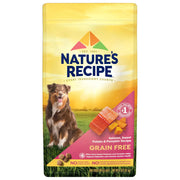
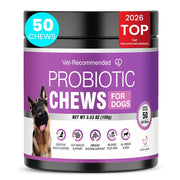
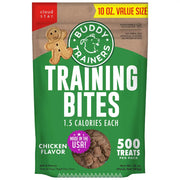


Nutrish Rachael Ray Premium Natural Wet Dog Food — Savory Favorites Variety Pack


🏆 Our Top Picks for 2026
Vet-recommended recipes with real meat, balanced nutrition, and quality ingredients your furry friend deserves.
Wellness CORE Grain-Free
Best for: All life stages & active dogs
Key Features: High-protein, omega-rich, grain-free
Why we recommend: Vet-approved formula with real meat first—supports digestion, coat health, and sustained energy.
Blue Buffalo Life Protection Puppy
Best for: Growing puppies & brain development
Key Features: DHA for cognitive development, antioxidant-rich LifeSource Bits
Why we recommend: Trusted by breeders—supports healthy growth and an easy transition.
🐕 How to Choose the Right Recipe for Your Dog
Not all diets are created equal. Here's what to look for based on your dog's age, breed, and specific needs.
Puppies (Under 1 Year)
- DHA for brain and eye development
- Higher protein (22–32%) for growth
- Calcium/Phosphorus for strong bones
- Smaller kibble for tiny mouths
- Frequent meals (3–4x daily)
Adult Dogs (1–7 Years)
- Real meat as first ingredient
- Balanced protein/fat for energy
- Omega-3 & 6 for healthy coat
- Probiotics for digestive health
- 2 meals daily — consistent routine
Seniors (7+ Years)
- Glucosamine for joint support
- Easier-to-digest formulas
- Lower calories for less activity
- Antioxidants for immune health
- Smaller portions — more frequent
Sensitive Stomachs
- Limited ingredients (fewer fillers)
- Grain-free or single-grain
- Probiotics for gut health
- Novel proteins (salmon, venison)
- Slow transitions (7–10 days)
🐾 Breed-Specific Feeding Tips
Every breed has unique nutritional needs. Here's what works best for popular breeds.
🟡 Labrador Retriever
Prone to: Obesity, joint issues
Best diet: High-protein, moderate fat, glucosamine
Portion control: Labs often overeat—measure every meal
🐺 Siberian Husky
Prone to: Zinc deficiency, sensitive stomachs
Best diet: High-protein (30%+), omega-rich, grain-free options
Key tip: They self-regulate—free-feeding may work
🌭 Dachshund
Prone to: IVDD (back issues), obesity
Best diet: Joint support, weight management, smaller kibble
Key tip: Keep them lean—extra weight stresses the spine
🦴 Rottweiler
Prone to: Hip dysplasia, bloat, obesity
Best diet: Large-breed formula, glucosamine, controlled portions
Key tip: Feed 2–3 smaller meals to prevent bloat
🥩 Understanding Dog Food Labels
Not all ingredients are created equal. Here's what to look for—and what to avoid.
Look For:
- Real meat (chicken, beef, salmon) — first ingredient
- Named fats (chicken fat, fish oil)
- Whole grains (brown rice, oats, barley) or grain-free options
- Fruits & vegetables (sweet potato, peas, blueberries)
- Probiotics & prebiotics for digestion
- Vitamins & minerals (chelate minerals are best)
Avoid:
- "Meal" without named meat source
- Generic fats (animal fat, poultry fat)
- Artificial colors & flavors
- BHA, BHT, ethoxyquin (preservatives)
- Corn, wheat, soy as primary fillers
- Propylene glycol (sweetener in treats)
Common Myths Debunked:
- ❌ "Grain-free is always better" — Only if your dog has sensitivities
- ❌ "By-products are bad" — Organ meats are nutrient-dense
- ❌ "High protein causes kidney damage" — Not in healthy dogs
- ❌ "All kibble is the same" — Quality varies dramatically
- ❌ "Raw is the only way" — Good quality cooked food works too
❓ Dog Nutrition FAQs
🧪 Essential Nutrients — What They Do
Understanding key nutrients helps you make better choices for your dog's health.
🥩 Protein
Builds and repairs muscles, organs, skin, and coat. Real meat (chicken, beef, salmon) provides complete amino acids. Puppies need 22–32%, adults 18–25%, seniors 20–25% (easier to digest).
🧈 Healthy Fats
Omega-3 and Omega-6 support skin, coat, brain, and joint health. Sources: fish oil, chicken fat, flaxseed. Puppies need 8–12%, adults 5–10%, seniors 5–8%. DHA supports cognitive development.
🌾 Carbohydrates
Provide energy and fiber. Whole grains (brown rice, oats, barley) or vegetables (sweet potato, peas, pumpkin). Fiber supports digestion. Dogs don't need carbs, but quality sources offer valuable nutrients.
🦴 Vitamins & Minerals
Calcium/Phosphorus — bone health (critical for puppies). Glucosamine/Chondroitin — joint support (seniors). Antioxidants (vitamins E, C) — immune function. Zinc — skin and coat health.
🦠 Probiotics & Prebiotics
Support digestive health and nutrient absorption. Probiotics introduce beneficial bacteria; prebiotics feed them. Particularly helpful for sensitive stomachs, seniors, and dogs on antibiotics.
💧 Water
The most essential nutrient. Always provide fresh, clean water. Wet food helps with hydration (70–80% moisture vs. 10% in dry kibble). Active dogs, nursing mothers, and seniors need more water.
📚 Learn More — Expert Guides
Explore our in-depth guides to keep your dog healthy, happy, and well-fed at every stage of life.
🐕 How to Choose the Right Recipe
Learn about ingredients, nutritional requirements, and what to look for at every life stage.
Read Guide →🍽️ Labrador Retriever Feeding Guide
Portion control, growth charts, and preventing obesity in one of America's most popular breeds.
Read Guide →🐾 Best Food for Siberian Huskies 2026
High-protein nutrition for active, cold-weather breeds—what works best for Huskies.
Read Guide →🦴 Essential Fatty Acids — Ultimate Guide
Omega-3 and Omega-6 benefits, sources, and how they support skin, coat, and joint health.
Read Guide →Premium Nutrition — Every Breed, Every Stage
At Paw Vortex, we curate vet-approved recipes with real meat as the first ingredient, wholesome grains, and essential nutrients. Our selection includes dry kibble, wet recipes, grain-free options, and limited-ingredient diets suitable for all breeds and life stages.
From puppy food for growth to senior recipes with joint support, we help you find the right match. Pair your dog's meals with supplements, treats, and smart feeders for complete nutrition.
Shop trusted brands, enjoy fast US shipping, and give your dog the nutrition they deserve. 3,000+ happy pet parents trust Paw Vortex for premium nutrition.