

As a dedicated Labrador Retriever owner, you know that boundless energy is part of the package. But when that energy turns into chewed furniture, restless pacing, or a dog that just won’t settle, it’s a clear signal: your Lab needs an outlet. In this ultimate guide, crafted by PawVortex pet experts, you’ll discover a science‑backed, day‑by‑day plan that transforms your Labrador’s exercise from a chore into a powerful tool for health, happiness, and harmony. Whether you're raising a bouncy puppy, managing a high‑drive adult, or caring for a graceful senior, you’ll learn exactly what works—and what doesn’t. We’ll also show you how to blend mental challenges with physical activity using the smartest gear and toys. This 4,000+ word resource is your definitive answer to the #1 question every Lab owner asks: How much exercise does a Labrador need—and how can I make it stick?
• Adult (1‑7 yrs): 60‑120 min
• Puppy: 5 min per month of age, twice daily
• Senior (8+ yrs): 30‑60 min low‑impact
Table of Contents
- Understanding Your Labrador's Energy Profile
- How Much Exercise Does a Labrador Need? The Core Answer
- Creating the Ideal Labrador Exercise Routine
- Best Workouts & Activities for Labradors
- Exercise for Labrador Puppies vs. Adults vs. Seniors
- The Critical Role of Mental Stimulation
- Recognizing Signs of Enough vs. Too Much Exercise
- Seasonal & Weather Exercise Adjustments
- Nutrition, Hydration, and Recovery for Active Labs
- Common Exercise Mistakes to Avoid
- Special Considerations: Weight, Anxiety, and Agility
- Labrador Exercise Statistics & Data Insights
- 5+ Practical Solutions for Busy Pet Parents
- PawVortex Product Showcase for Active Labradors
- Final Thoughts: Key Takeaways
Jump to any section by clicking the links above.
Understanding Your Labrador's Energy Profile
Before you can plan the perfect Labrador daily exercise guide, you need to appreciate the engine behind that wagging tail. Labradors were bred to work—retrieving game for hours in tough conditions. That legacy gifted them with extraordinary stamina, a love for swimming, and an insatiable need for purpose. Without a proper outlet, that natural drive turns into destructive behaviors, weight gain, and stress. The good news? Once you understand their heritage, you can design a routine that channels their abilities into joyful, healthy activity.
The Athletic Heritage of the Labrador Retriever
Their history directly shapes today's Labrador Retriever activity needs. A Lab's body is a masterpiece of endurance: a powerful frame, an "otter" tail for propulsion, and a weather‑resistant double coat. But this built‑in athleticism demands daily engagement. When you meet those needs, you prevent issues like chewing, digging, and excessive barking—and build a deeper bond with your dog.
| Factor | Impact on Exercise Needs | PawVortex Insight |
|---|---|---|
| Breed Genetics | Innate stamina and drive demand structured, challenging activities. | Incorporate retrieving and problem‑solving every day. |
| Age | Puppies require short bursts; adults need consistent workouts; seniors need gentle maintenance. | Never exhaust a puppy—focus on controlled, fun play. |
| Health & Weight | Overweight dogs benefit from low‑impact, steady exercise; joint issues require modified routines. | Consult your vet and consider joint‑supporting supplements like our Active Dog Colon Support. |
Key Factors Influencing Exercise Needs (Age, Health, Weight)
A one‑size‑fits‑all approach fails for high energy dog exercise Labrador plans. An 8‑month‑old puppy’s growing joints are vastly different from a 7‑year‑old adult’s mature structure. An overweight Lab, too, needs a careful program that promotes weight loss without injury. By tailoring the routine to your dog’s unique profile, you ensure safety and maximum benefit.
Takeaway: Your Labrador’s optimal Labrador exercise schedule is a personalized blend of genetics, life stage, and individual health. Get this right, and you'll set the foundation for a lifetime of vitality.
How Much Exercise Does a Labrador Need? The Core Answer
Based on PawVortex’s research and veterinary consensus, a healthy adult Labrador needs 60 to 120 minutes of quality exercise every single day. This isn’t a casual stroll around the block—it’s purposeful, heart‑pumping activity that challenges both body and mind.
The 60-120 Minute Daily Rule Explained
The exact time depends on your dog. A field‑bred 3‑year‑old may thrive on two hours of running and swimming, while a calmer 5‑year‑old show‑line Lab might be perfectly content with 75 minutes of brisk walking and fetch. The key is consistency and variety—split the time between physical exertion and Labrador mental stimulation activities to achieve full satisfaction.
| Life Stage | Daily Exercise Goal | Activity Type Focus | Critical Note |
|---|---|---|---|
| Puppy (2-12 months) | 5 min per month of age, 2-3 times daily (e.g., 20 min x 3 for 4 mo old) | Short play, socialization, basic training, gentle exploration. | Avoid forced running/jumping—growth plates are fragile. |
| Adult (1-7 years) | 60-120 minutes | Brisk walks, running, fetch, swimming, agility, hiking. | Balance high‑ and low‑impact days; prioritize mental work. |
| Senior (8+ years) | 30-60 minutes (adjusted for arthritis/pain) | Shorter, slower walks, gentle swimming, nosework, stretching. | Watch for stiffness; use supportive aids like the PawVortex Dog Bed Ramp. |
Breaking Down Physical vs. Mental Exercise
Don’t think all 120 minutes must be physically grueling. A balanced day might include 45 minutes of walking, 15 minutes of training with a puzzle toy, and 20 minutes of fetch. Mental exertion tires a smart Lab just as effectively as a long run—and it’s often more sustainable.
Takeaway: The answer to "how much exercise does a Labrador need" is 60‑120 minutes of combined physical and mental activity, customised for age and health. Stick to this, and you'll have a relaxed, happy dog.
Creating the Ideal Labrador Exercise Routine
Consistency trumps occasional marathon sessions. A predictable Labrador exercise schedule stabilises energy, improves behaviour, and strengthens your partnership. Here’s how to structure it.
Morning, Afternoon, Evening: Structuring Your Day
Divide the total daily exercise into 2‑3 sessions. Start with a brisk morning walk or jog to burn off overnight energy. At midday, insert a mental game or short walk to break the routine. Finish with an evening play session to ensure your Lab settles calmly for the night. This pattern prevents destructive behaviour and promotes restful sleep.
| Time | Activity | Duration | Purpose |
|---|---|---|---|
| 7:00 AM | Brisk walk or jog with a hands-free leash | 30-40 min | Burn morning energy, establish routine. |
| 12:30 PM | Training session or food puzzle | 15-20 min | Mental stimulation to break up the day. |
| 5:30 PM | High-intensity play (fetch, swim) or second walk | 30-40 min | Physical release before evening relaxation. |
The Role of Consistent Walking
Walking is non‑negotiable. Aim for at least two purposeful walks daily. A "purposeful" walk means allowing your dog to sniff (that’s mental work) and move at a pace that elevates the heart rate. A healthy adult Lab can handle 3‑5 miles per day, split across sessions—but always listen to your dog’s cues.
Takeaway: A daily routine split across the day is easier for you and better for your Lab’s physical and behavioural health. It turns exercise into a positive habit, not a battle.
Best Workouts & Activities for Labradors
Variety is the spice of life—and the secret to keeping your Lab engaged. Here are the best workouts for Labradors, grouped by intensity, so you can mix it up and target different muscle groups.
Fetch, Running, and High-Intensity Play
Labs are born retrievers. Fetch offers superb cardio and taps into their natural instincts. For Labrador running distance, a healthy adult can build up to 2‑3 miles on soft surfaces—start slowly and use a shock‑absorbing leash. Our Smart Tennis Ball Toy Machine automates fetch, so your Lab gets a workout even when you’re busy.
| Activity | Benefits | Safety & Tips |
|---|---|---|
| Fetch & Retrieval | High cardio, instinct satisfaction, focus building. | Use soft‑mouth toys; avoid slippery floors; incorporate "drop it" training. |
| Running/Jogging | Builds endurance, strengthens the human‑canine bond. | Wait until growth plates close (~18 months); use a hands‑free, shock‑absorbing leash. |
| Swimming | Zero‑impact full‑body workout, perfect for joints. | Introduce gradually; use a life jacket in deep water; rinse off chlorine/salt afterwards. |
| Hiking | Combines physical and mental stimulation with new environments. | Toughen paw pads; check for ticks; carry plenty of water. |
Low-Impact & Joint-Friendly Exercises
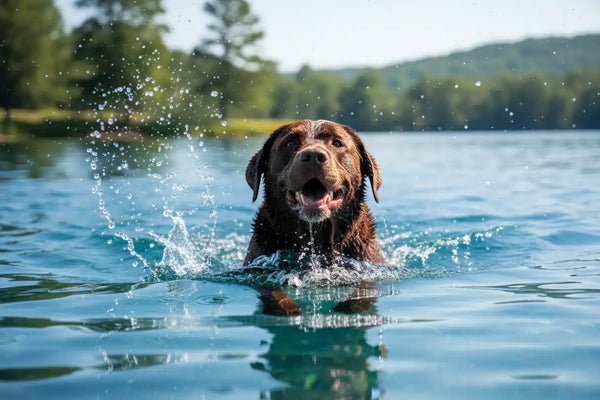
Not every day needs to be high‑impact. Is swimming good exercise for a Labrador Retriever? Absolutely—it’s the gold standard for low impact exercises for senior Labradors and those with joint concerns. Other great low‑impact options include leash walks on soft trails, hide‑and‑seek, and controlled stair climbing (up only).
Takeaway: Mix high‑energy activities like fetch with joint‑friendly options like swimming to create a balanced, sustainable Labrador fitness plan that protects joints while delivering a full workout.
Exercise for Labrador Puppies vs. Adults vs. Seniors
The how much exercise does a Labrador puppy need vs an adult question is critical. Applying adult standards to a puppy can cause lifelong joint damage, while insufficient exercise in seniors accelerates decline. Here’s how to tailor for each life stage.
Puppy Exercise: Avoiding Growth Plate Damage
For puppies, exercise means controlled play and exploration—not endurance. Follow the "5‑minute rule": up to 5 minutes of structured activity per month of age, twice daily. So a 4‑month‑old gets 20 minutes, twice a day. Focus on socialization, short training bursts, and gentle play on non‑slip surfaces.
| Age Range | Max Continuous Exercise | Recommended Activities |
|---|---|---|
| 8-12 weeks | 10-15 minutes, 3-4x/day | Playpen exploration, gentle handling, short leash introductions. |
| 4-6 months | 20-30 minutes, 2-3x/day | Short walks on grass, puppy training classes, soft toy fetch. |
| 7-12 months | 35-60 minutes, 2x/day | Longer walks, start swimming, more complex training. |
Adapting for Adult Prime and Senior Years
Adults (1‑7 years) are in their prime and can handle the full exercise plan—focus on maintaining lean muscle and cardiovascular fitness. Seniors (8+), however, need a shift toward mobility. What are safe exercise limits for older Labrador Retrievers? Shorter, more frequent walks (15 minutes, 3 times a day) are better than one long session. Use supportive tools like the PawVortex Dog Bed Ramp to reduce joint stress.
Takeaway: Respect the biological clock: puppies need protection, adults need challenge, and seniors need gentle support. This ensures a lifetime of healthy Labrador daily exercise.
The Critical Role of Mental Stimulation
A physically tired Lab is good—but a physically and mentally tired Lab is unbeatable. Labrador Retriever mental stimulation activities are not optional; they are essential for a balanced, happy dog.
Why Mental Workouts Tire a Lab Just as Much as Physical
Problem‑solving, learning new commands, and using their nose burn significant mental energy. A 20‑minute training session can be as tiring as a 40‑minute walk—and it’s a fantastic boredom buster.
| Activity Type | Examples | Time Commitment |
|---|---|---|
| Food Puzzles & Dispensers | Kong wobblers, snuffle mats, treat‑dispensing fetch toys. | 15-30 min |
| Nosework & Scent Games | Hide treats around the house/yard; try birch scent kits. | 10-20 min |
| Obedience & Trick Training | Practice "stay," "leave it," or teach a new trick like "spin." | 5-10 min sessions, 2-3x/day |
| New Experiences | Walk a new route, visit a pet‑friendly store. | Variable |
Integrating Training, Nosework, and Puzzle Toys
Make mealtime a game with puzzle feeders; set aside 5 minutes several times a day to reinforce commands. Our Pets Training collection provides tools to make this engagement effortless and enjoyable.
Takeaway: Dedicate 20‑30% of daily exercise time to mental challenges. A mentally stimulated Lab is a calm, content companion.
Recognizing Signs of Enough vs. Too Much Exercise
Learning to read your dog’s body language is a superpower. The signs of a well‑exercised Lab differ dramatically from those of an overworked or under‑exercised one.
Is Your Labrador Getting Enough? Key Indicators
A Lab lacking Labrador playtime needs may show restlessness, attention‑seeking, destructive chewing, excessive barking, digging, or difficulty settling at night. If your dog is calm, relaxed, and naps soundly, you’re on the right track.
| Signs of ENOUGH Exercise | Signs of TOO LITTLE Exercise | Signs of TOO MUCH Exercise |
|---|---|---|
| Calm demeanor in home | Hyperactive, "zoomie" bursts | Excessive panting long after rest |
| Engages calmly with toys | Destructive chewing or digging | Lameness, stiffness, reluctance to move |
| Settles easily for naps | Barks at minor stimuli | Sore paws, cracked pads |
| Eats meals eagerly | Paces or whines frequently | Loss of appetite or thirst |
Warning Signs of Over-Exercising and Heat Risks
Labs, especially dark‑colored ones, overheat quickly. Signs of over‑exercising my Labrador Retriever include heavy panting/drooling, bright red gums, stumbling, vomiting, or collapse. In hot weather, exercise early morning or late evening—always provide water and shade. Remember, what are safe exercise limits includes adjusting for weather conditions.
Takeaway: Your dog’s behaviour and physical state are the best indicators of how can I tell if my Labrador is getting enough exercise. When in doubt, opt for rest.
Seasonal & Weather Exercise Adjustments
A responsible Labrador daily exercise guide must account for climate. Their double coat insulates, but also makes them prone to overheating.
Summer Heat Safety and Hydration
For when is the best time of day to exercise a Labrador in summer, aim for before 9 AM or after 7 PM. Asphalt can burn paws in seconds—opt for Labrador swimming exercise or indoor activities. The Smart Tennis Ball Toy Machine provides a safe, indoor fetch alternative.
| Step | Action | Reason |
|---|---|---|
| 1. Check Temp & Humidity | If (Temp °F + Humidity %) > 150, be extra cautious. | High humidity impairs panting (cooling). |
| 2. Surface Test | Place back of hand on pavement for 7 seconds. | If too hot for your hand, it will burn paws. |
| 3. Hydrate First | Offer water 30 min before activity. | Prevents starting dehydrated. |
| 4. Shorten & Slow Down | Reduce duration by 30%; walk, don't run. | Lowers core temperature rise. |
| 5. Cool Down Afterwards | Offer water, use a damp towel on belly/groin. | Helps rapid temperature reduction. |
Winter Cold and Indoor Exercise Solutions
While Labs love cold, ice‑melting chemicals and extreme cold pose risks. Use dog‑safe ice melt, consider a coat for short‑haired or senior Labs, and protect paw pads. For indoor exercise options for Labradors, set up an obstacle course with cushions, practice hallway recalls, or have a tug session. Our training tools are perfect for indoor engagement.
Takeaway: Adapt intensity, timing, and activity type to the weather to keep your Lab safe and active year‑round.
Nutrition, Hydration, and Recovery for Active Labs
You can’t out‑exercise a poor diet. Fueling and recovery are essential components of your Labrador fitness tips.
Fueling an Active Body: Diet and Timing
Active Labradors need high‑quality, protein‑rich food with appropriate calories. Avoid strenuous exercise within one hour before and two hours after a large meal to reduce bloat risk. For longer activities, bring high‑value treats or a small meal. Learn more in our labrador puppy food guide.
| Scenario | Nutrition/Recovery Action |
|---|---|
| Before a Long Walk/Hike | Light meal 2+ hours prior; bring water & portable bowl. |
| After High-Intensity Play | Offer fresh water; provide a quiet, comfy rest area. |
| For Joint Support | Consider glucosamine supplements; use the bed ramp to avoid jumping. |
| Managing Digestive Health | A consistent diet with prebiotics, like our Active Dog Colon Support, supports nutrient absorption for sustained energy. |
The Importance of Rest and Joint Support
How much rest should a Labrador Retriever get between workouts? They need 12‑14 hours of rest/sleep per day. After intense activity, provide a full day of lighter exercise or complete rest. For seniors or dogs with joint sensitivity, proactive support—like an orthopedic bed and reduced jumping—is vital.
Takeaway: Treat exercise, nutrition, and recovery as one integrated system for optimal large dog exercise health.
Common Exercise Mistakes to Avoid
Even well‑intentioned owners can make errors that compromise their Lab’s health or progress. Here are the pitfalls to dodge.
Weekend Warrior Syndrome and Inconsistency
Exercising only on weekends leads to injury and behaviour issues during the week. A Labrador’s energy is a daily demand—consistency is both safer and more effective.
| Common Mistake | The Risk | PawVortex Recommended Solution |
|---|---|---|
| No warm-up/cool-down | Muscle strains, joint stress. | Start and end with 5 min of slow walking; gentle stretching. |
| Only physical, no mental exercise | Boredom, under‑stimulation, ongoing mischief. | Add training tools and puzzle toys daily. |
| Using improper equipment | Neck injury from collar pulling; lack of control. | Use a front‑clip harness or a shock‑absorbing hands‑free leash from our Leashes collection. |
| Ignoring surface hazards | Paw pad burns (hot asphalt), cuts (ice/rough terrain). | Do the 7‑second hand test; use dog boots in extreme conditions. |
Ignoring Warm-Ups, Cool-Downs, and Surface Hazards
Jumping straight into a sprint or stopping abruptly stresses the body. Always include a gentle warm‑up and cool‑down. Be mindful of surfaces: concrete is hard on joints, while grass, dirt, and sand are softer.
Takeaway: Choose safe, steady, balanced routines over rare, intense bouts. This builds a foundation for lifelong Labrador fitness.
Special Considerations: Weight, Anxiety, and Agility
Some Labs have unique needs that require modified approaches to Labrador daily exercise.
Exercise Plans for Overweight and Arthritic Labradors
For adjusting exercise for overweight Labradors, the goal is steady, low‑impact calorie burn. Start with multiple short, slow walks daily (e.g., 15 minutes, 3x/day) and gradually increase duration before intensity. Swimming is ideal. Always pair with a vet‑approved diet plan.
| Phase (Weeks) | Primary Activity | Frequency & Duration | Goal |
|---|---|---|---|
| 1-2 | Leisurely Walking | 10-15 min, 2-3x/day | Establish routine, build stamina. |
| 3-6 | Brisk Walking | 20-25 min, 2x/day | Increase heart rate, burn calories. |
| 7+ | Add Low-Impact Intervals | 30 min walk with 2-min swim/fetch breaks | Boost fitness while protecting joints. |
Using Exercise to Manage Behavioral Issues
Exercise is a powerful tool for anxiety and reactivity. A physically drained Lab has less nervous energy. Structured activities like fetch or agility channel frustration productively. For how do I tire out an energetic Labrador Retriever with anxiety, combine physical effort with calming mental exercises—try "find it" games or relaxed leash walks in quiet areas.
Takeaway: Exercise can be therapeutic. Tailor the type and setting to help manage your Lab’s specific weight or behaviour challenges.
Labrador Exercise Statistics & Data Insights
Data reinforces the importance of proper exercise. Here are key stats every owner should know.
| Statistic | Data Point | Implication for Owners |
|---|---|---|
| Obesity Prevalence | Approximately 60% of Labradors in the U.S. are overweight or obese (Veterinary Studies). | Regular exercise is a primary defense against the breed's weight tendency. |
| Hip Dysplasia Correlation | Controlled exercise in puppies reduces hip dysplasia risk by up to 70% versus forced running/jumping. | Follow puppy exercise limits—it's an investment in joint health. |
| Lifespan & Activity | Lean, fit Labradors live up to 2 years longer on average than overweight ones. | Daily exercise contributes to both longevity and quality of life. |
| Owner Compliance | Only about 35% of dog owners meet their dog's minimum daily exercise needs (Pet Industry Surveys). | Being in the proactive minority greatly benefits your dog's health and behaviour. |
Takeaway: The numbers are clear—regular, appropriate exercise is a major factor in your Labrador’s health and longevity.
5+ Practical Solutions for Busy Pet Parents
Life gets busy, but your Lab’s needs don’t pause. Here are effective, time‑smart ways to meet their Labrador Retriever activity requirements.
- Structured "Sniffaris": Turn a 20‑minute walk into a powerful mental workout. Let your Lab lead and sniff freely—this satisfies their scent drive and is easier on you.
- Food Puzzle & Toy Rotation System: Replace the food bowl with a different food‑dispensing toy each meal. Rotate toys weekly to keep novelty high. The Smart Tennis Ball Toy Machine combines fetch with food puzzles.
- The "Five-Minute Training" Rule: Commit to five minutes, 2‑3 times per day, of focused obedience or trick training. This accumulates into major mental stimulation with minimal time investment.
- Doggy Playdates or Daycare: Social play with a compatible dog provides intense physical and mental exercise. A few hours at a good daycare can tire them for an entire day.
- Canine Fitness Exercises: Simple home moves like "sit‑to‑stand" reps, balance work on a cushion, or gentle stretching build muscle and focus in just 10 minutes.
- Interactive Fetch Solutions: Automate high‑energy play. A chuckit or our automated fetch machine delivers strong cardio without you throwing your arm out.
- Stair Climbing (With Caution): For healthy, non‑puppy, non‑joint‑issue Labs, supervised up‑and‑down stair fetching (softly) can be a great indoor workout. Always go down on leash to control speed.
Takeaway: With creativity and the right tools from PawVortex, even the busiest schedule can accommodate a happy, healthy Labrador.
PawVortex Product Showcase for Active Labradors
At PawVortex, we design and curate products that solve real problems for active dogs and their owners. Here are key tools to support your Labrador’s exercise journey.
High-Energy Play & Mental Stimulation
- Smart Tennis Ball Dog Toy – Food Reward Machine: The ultimate automated fetch. It dispenses treats or kibble, keeping your Lab engaged in active retrieval and problem‑solving for extended periods. Perfect for indoor or outdoor use.
- Explore our Pets Training Collection: A curated set of puzzle toys, treat dispensers, and training aids that provide essential mental workouts to complement physical exercise.
Safe & Effective Walking/Running Gear
- Cycling Dog Leash with Elastic Buffer – Hands-Free Walking Gear: Run, jog, or hike hands‑free with safety. The elastic buffer absorbs sudden pulls on both you and your dog, making longer distances more comfortable and controlled.
- Browse our Dog Leashes & Collars Collection: Find the right harness, leash, or collar for safe, enjoyable, controlled walks every time.
Joint Health & Recovery Support
- Ramp For Dog Bed, Pet Ramp For Dog With Non-slip Carpet And Top: Protect your Lab’s joints from the impact of jumping on/off furniture or into vehicles. Essential for puppies, seniors, and any dog with mobility concerns.
- Active Dog Colon Support – Digestive Health Formula, 8 lb Bag: A healthy gut optimizes nutrient absorption and energy utilisation. This formula supports digestive health so your active Lab gets the most from their food.
Final Thoughts: Key Takeaways
Providing the right amount and type of exercise is the cornerstone of responsible Labrador ownership. By following this guide, you’re not just managing energy—you’re investing in a longer, healthier, and happier life for your best friend.
- The Golden Rule: Aim for 60‑120 minutes of combined physical and mental exercise daily for a healthy adult Labrador.
- Personalize It: Always tailor the routine to your dog’s age, health, and energy level.
- Mind Over Muscle: Never underestimate the power of mental stimulation through training, puzzles, and nosework to tire out your Lab.
- Consistency is Key: Daily, manageable sessions beat rare "weekend warrior" marathons.
- Listen to Your Dog: Learn the signs of enough exercise, under‑stimulation, and over‑exertion. Your Labrador’s behaviour is your best feedback.
- Equip for Success: The right gear—from safe leashes to interactive toys—makes meeting their needs easier, safer, and more fun for you both.
For more in‑depth care advice, explore our Complete Labrador Retriever Care Guide.
More PawVortex Guides You'll Love
Explore these related articles for more expert pet care insights:
- How Much Exercise Does a Golden Retriever Need? Complete Daily Guide
- Labrador Retriever Feeding Guide: How Much & How Often to Feed
- Complete Labrador Retriever Care Guide 2026: Health, Training & Best Products
- Best Toys for Labrador Retrievers (Heavy Chewers & Fetch Lovers)
- Golden Retriever Grooming Schedule: Complete Daily, Weekly & Monthly Care Guide (2026)
Looking for more? Browse all our pet care guides.

About PawVortex
PawVortex is your trusted partner in pet care. We offer design‑forward, expert‑curated solutions for every stage of your pet's journey.
Why Choose PawVortex?
- Expert-Curated Selection: Every product is vetted by pet care specialists.
- Premium Quality: We source only the best pet care solutions.
- Pet Parent Focused: Designed with real‑world use in mind.
- Sustainable Options: Eco‑friendly choices for conscious pet owners.
Connect With Us:
Email: hello@pawvortex.com
Website: www.pawvortex.com
Follow: Facebook | Instagram | YouTube
Frequently Asked Questions (FAQ)
Can a Labrador run every day (e.g., jogging with owner)?
A healthy adult Labrador with no joint issues can run with you daily. However, it's best to vary the intensity—include rest days or substitute with swimming or walking to prevent repetitive stress. Always start short and build up gradually. Never run with puppies under 18 months old.
What if I can't meet the full 2-hour exercise goal every single day?
Consistency matters more than perfection. Aim for a solid 60‑minute minimum on busy days, but heavily supplement with mental stimulation activities. A 30‑minute walk plus 30 minutes of training, puzzle toys (like our Smart Tennis Ball Machine), and nosework can be just as tiring. Make up for lighter days with longer sessions when you're free.
How much exercise does an 8-year-old Labrador need?
Senior Labs (8+) typically need 30‑60 minutes of gentle, low‑impact exercise daily, split into 2‑3 short sessions. Focus on easy walks, gentle swimming, and mental games. The priority is maintaining mobility and muscle without causing pain or exhaustion. Always consult your vet and use supportive aids like the PawVortex Dog Ramp.
Is a backyard enough exercise for a Labrador?
No. A backyard offers space but not motivation—most Labs won't self‑exercise enough. Without structured activity and new stimuli (walks, training, new places), they become bored and may develop behaviour issues. The backyard is a supplement, not a replacement, for guided exercise and exploration.
How can I exercise my Labrador if I have a physical limitation?
Focus on mental exercise and tools that amplify your effort. Use a long lead for "fetch" in a field while you sit or stand. Invest in an automated fetch machine. Hire a dog walker for one key walk, and you handle the mental games and training. Sign up for a weekly swim session or doggy daycare.
What are the first signs of arthritis I should watch for during exercise?
Early signs include stiffness when first rising (especially after rest), reluctance to jump into the car or on furniture, lagging behind on walks, slowing down sooner than usual, and subtle lameness or a "bunny‑hopping" gait when running. If you notice these, consult your vet and transition to low‑impact activities immediately.
Ready to Elevate Your Labrador's Fitness Routine?
Explore our expert‑curated collections to find the perfect tools for a happier, healthier, and more active companion.
Shop Training & Puzzle Toys Shop Leashes & Walking Gear


