

Okay so here's the thing — feeding your dog shouldn't feel like rocket science. But walk down the pet food aisle and suddenly you're drowning in words like "holistic," "grain-free," "raw," "human-grade," and about forty different claims about what your furbaby absolutely NEEDS to survive. I've been there. When I first brought Max home — a rescue shepherd mix with the saddest eyes and a stomach made of tissue paper — I stood in that aisle for an actual hour, scrolling through reviews, texting my vet, probably looking like a crazy person. The good news? After years of trial, error, and more than a few messy poop situations (sorry, Max), I've figured out what actually matters in dog food and dog nutrition. This complete dog nutrition guide breaks down everything you need to know — from picking the best dog food USA 2026 to setting up dog feeding schedules that work for your real life, not some perfect Instagram version of pet parenthood. Over 66% of U.S. households own a pet, and most of us are figuring this out as we go. So let's cut through the noise and build a complete dog feeding guide that actually works.
Introduction to Dog Nutrition
Understanding Dog Food and Dog Diet and Nutrition Needs
Here's what I've learned the hard way: dog diet and nutrition isn't about finding one magic food. It's about matching the right food to your individual dog's age, breed, activity level, and health quirks. When I first got Max, I bought whatever was on sale — my bad. He had constant loose stools, his coat looked dull, and he'd get these random bouts of the zoomies followed by lethargy. A visit to the vet and a deep dive into dog food ingredients to avoid later, I realized I'd been feeding him food that was basically the canine equivalent of fast food every single day. Not great. So what actually matters in a dog diet? You're looking at high-quality protein as the first ingredient (not corn or by-products), a balance of fats for energy and skin health, digestible carbs for fiber, and a complete vitamin/mineral profile. One product that changed how I think about feeding Max is the Dehydrated Dog Food Base Mix That Works Around Your Life. It's a pre-mix that you hydrate and add your own protein to — which means you control exactly what goes into your dog's bowl. No mystery ingredients, no fillers. For a more straightforward option that's already fully prepared, The Honest Kitchen Grain-Free Chicken Dog Food – 4 lb Box uses human-grade ingredients that you just add water to rehydrate. Both are solid choices depending on how much kitchen time you wanna put in.


Importance of Dog Feeding Schedules and Portion Control
Consistency is huge when it comes to a dog diet. Dogs thrive on routine — their digestive systems literally expect food at the same times each day. I learned this because I used to feed Max whenever I remembered, which meant sometimes breakfast at 7am, sometimes at 10am. He'd get hangry (yes, dogs get hangry) and would scarf down his food so fast he'd throw up. Not a fun cleanup. A proper dog feeding schedule not only prevents that frantic eating but also helps with house training (you'll know exactly when he needs to go out) and weight management. According to VCA Hospitals, once you've identified that your dog is overweight, working with your vet on a restricted-calorie diet with specific portions and meal frequency is the most efficient approach [VET-5]. That's where dog food portion control comes in — using a food like Purina ONE Healthy Weight Dry Dog Food – High Protein Turkey Formula (16.5 lb Bag) which is designed specifically for weight management with high protein to maintain lean muscle while cutting calories. For dogs with more sensitive systems or picky eating habits, I and Love and You Grain-Free Red Meat Medley Dog Food – 15 lb Bag offers a novel protein blend that's easier on the stomach. And don't forget that Premium Pet Supplies like slow feeders can make a huge difference if your dog eats too fast.


Choosing the Best Dog Food: Vet-Approved Dog Food Brands USA 2026
Factors to Consider When Selecting Dog Food
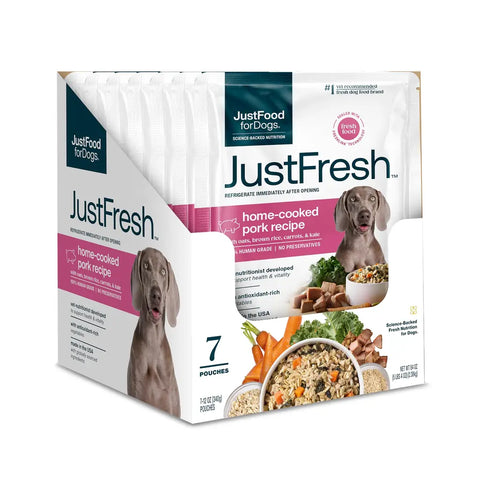
Picking the best dog food USA 2026 for your specific dog means looking at a few key things. First, life stage — puppy, adult, or senior — because their nutritional needs change dramatically. Puppies need more protein and fat for growth (puppy nutrition guide section covers this in depth), while seniors often need fewer calories and more joint support (see senior dog diet below). Second, ingredient quality. You want named protein sources (chicken, beef, salmon, not just "meat meal") and whole food ingredients. Third, any health conditions or allergies your dog might have. When I switched Max to a limited-ingredient diet because of his sensitive stomach, it was like flipping a switch — no more random diarrhea, no more itchy paws. One brand that nails the fresh, whole-food approach is Just Food for Dogs JustFresh | Fresh Wet Dog Food & Topper | Human Grade, No Preservatives | 4 Flavors. It's human-grade, comes in pouches, and works great as a complete meal or a topper over kibble. For a dry food that works across multiple life stages, Legend All Life Stages Dog Food, 25lb - Nutritious Complete Diet for Optimal Health is formulated to meet the needs of puppies, adults, and seniors alike — convenient if you have multiple dogs at different ages. For a list of vet approved dog food brands sold in USA 2026, always look for the AAFCO statement (we'll explain how below).


Still not sure which type fits your lifestyle? Here's a quick comparison of the three main categories of dog food you'll find at Paw Vortex's pet food collection.
Understanding Dog Food Labels and Ingredients: Dog Food Ingredients to Avoid
Reading a dog food label is lowkey like reading a legal document, but there's a method to the madness. The ingredients are listed by weight, so the first few ingredients make up the bulk of the food. Look for a named protein (chicken, beef, lamb, salmon) as the first ingredient — not "corn," "wheat," or "meat meal." The guaranteed analysis tells you the minimum percentages of crude protein and fat, and maximums for fiber and moisture. But here's the thing: those numbers don't tell you about ingredient quality. Two foods could both have 25% protein, but one gets it from chicken breast while the other gets it from chicken feathers and beaks (yes, that's a thing). Also watch out for vague terms like "animal digest" or "poultry by-product." Here's a quick list of dog food ingredients to avoid:
- Artificial preservatives (BHA, BHT, ethoxyquin) – linked to health concerns
- Artificial colors (Blue 2, Red 40, Yellow 5) – completely unnecessary
- Corn syrup or added sugars – can lead to obesity and dental issues
- Generic meat meal or "animal digest" – unknown source quality
- Propylene glycol – artificial moisture retention
For small breed dogs, a gentle option like Beneful IncrediBites Small Breed Wet Dog Food | Real Beef, Chicken & Salmon in Gravy | 3 oz Cans | Variety Pack, Salmon, Chicken & Beef offers small, easy-to-chew pieces with real protein sources. And if you're looking for a premium wet food with novel proteins, Wellness Pet Products Dog Food – Venison & Salmon with Potatoes & Carrots (Case of 12, 12.5 oz cans) is grain-free and uses venison and salmon — great for dogs with chicken or beef sensitivities.


Dog Feeding Schedules and Supplements Guide
Creating a Dog Feeding Schedule That Works
How to Build a Dog Feeding Schedule That Sticks
A consistent dog feeding schedule prevents bloat, aids digestion, and makes house training way easier. Here's the step-by-step system I use with Max and recommend to fellow dog parents.
Step 1: Determine daily calories based on weight and activity
Most dog food bags have a chart, but those are just starting points. A moderately active 50-pound dog needs about 700-900 calories per day, but if your dog is a couch potato or a marathon runner, adjust accordingly. According to VCA Hospitals, feeding a restricted-calorie therapeutic diet with specific portions is the most efficient way to manage weight [VET-5]. For precise dog food portion control, use a kitchen scale – it's more accurate than measuring cups.
Step 2: Split into 2-3 meals per day
Puppies under six months should eat three to four times daily. Adult dogs do great on two meals — morning and evening. One big meal a day increases the risk of bloat, especially in large breeds.
Step 3: Choose your feeding method — manual or automatic
If you work long shifts or travel often, an automatic feeder is a lifesaver. The Best Automatic Dog Feeder with Timer & Wi-Fi App Control – Smart Pet Feeding System lets you schedule meals from your phone, control portion sizes, and even get alerts when the food runs low. For dogs who eat too fast (Max used to inhale his food in under 30 seconds), try an Interactive Dog Toy – Sound-Activated Slow Feeder & Treat Dispenser — it turns mealtime into a puzzle and slows them down naturally.
Step 4: Stick to the same times every day
Dogs are creatures of habit. Feed at 8am and 6pm daily, and within a week your dog will remind you when it's time. This predictability also means you know exactly when to expect bathroom breaks.


Adding Dog Supplements to Your Pet's Diet: A Dog Supplements Guide
Okay so dog supplements and dog vitamins — do you need them? Honestly? Most dogs on a complete and balanced commercial diet don't need extra supplements. But there are exceptions. If you're making homemade food, you'll almost certainly need to add a multivitamin to fill nutritional gaps. Senior dogs might benefit from joint supplements like glucosamine. And dogs with chronic digestive issues often do well on dog probiotics. According to PetMD, probiotics can restore gut microbiota and improve vomiting and diarrhea in dogs with gastroenteritis [VET-4]. I give Max a probiotic chew when his stomach gets wonky, and it's helped a ton. This dog supplements guide recommends: always talk to your vet before starting any supplement — too much of some vitamins (like calcium or vitamin D) can actually be toxic. When it comes to delivering supplements, an automatic feeder can help regulate portions — check out the Double Meal Smart Pet Feeder – Programmable & Automatic Feeding for Cats & Dogs or the Smart Pet Feeder – 3L Automatic Dispenser with App Control for precise portion control.
Puppy Nutrition Guide and Senior Dog Diet
Puppy Food and Nutrition Requirements: Complete Puppy Nutrition Guide
Puppies grow so fast it's almost scary. Puppy food is formulated with higher protein (around 28-30% minimum) and fat to support that rapid development. According to VCA Hospitals, puppies should be fed a food formulated for growth until they are completely done growing — typically around 12 months for small- and medium-breed dogs. Large breed puppies (those with adult weight over 70 lb) have specific calcium-to-phosphorus ratio needs to prevent bone problems, so don't just feed them adult food early [VET-2]. I made that mistake with a foster puppy once — thought I was being efficient by using the same food as Max. Nope. The puppy got chunky way too fast. For a high-quality puppy option, I and Love and You Grain-Free Red Meat Medley Dog Food – 15 lb Bag works for all life stages including puppies, but always check the label. For weight management as puppies approach adulthood, Purina ONE Healthy Weight Dry Dog Food can help transition them smoothly. A solid puppy nutrition guide also includes DHA for brain development and frequent small meals.
Senior Dog Diet and Nutrition Requirements
Senior dog food usually has fewer calories (because older dogs move less), higher protein to preserve muscle mass, and added joint support like glucosamine. Around age 7 for most breeds (earlier for giant breeds), you'll want to start thinking about switching. Signs your dog might be ready for a senior dog diet: weight gain despite the same portions, stiffness after sleeping, dental issues making hard kibble painful. A good option is Wellness Pet Products Dog Food – Venison & Salmon with Potatoes & Carrots — the soft, canned texture is easy on aging teeth, and the novel proteins reduce allergy risks. For a dry food that works across all life stages including seniors, Legend All Life Stages Dog Food is a solid choice.
Raw vs Kibble Dog Food: Grain-Free Dog Food Safety
Benefits of Raw Dog Food: Raw vs Kibble Dog Food Comparison
Raw dog food has exploded in popularity, but it's also controversial. The raw vs kibble dog food debate usually comes down to this: proponents say raw leads to shinier coats, cleaner teeth, and more energy. Critics point to risks of bacterial contamination (salmonella, E. coli) for both dogs and humans in the household. If you're considering raw, you have options: freeze-dried raw (just add water) is safer than fresh raw because the freeze-drying process kills most pathogens. Just Food for Dogs JustFresh is gently cooked, not raw, but it's a great stepping stone if you want whole-food nutrition without the bacterial risks. The Honest Kitchen Grain-Free Chicken Dog Food is another dehydrated option that's human-grade and safe. I tried a raw frozen diet with Max for a month, but honestly? The constant worry about cross-contamination wasn't worth it for me. For most pet parents, high-quality kibble or gently cooked food is the sweet spot between nutrition and safety.
Grain-Free Dog Food Safety: What You Need to Know
Grain-free dog food replaces corn, wheat, and soy with alternative carbs like peas, lentils, or sweet potatoes. For dogs with genuine grain allergies (which are actually quite rare — most food allergies are to proteins like chicken or beef), grain-free can be a lifesaver. However, the FDA has been investigating a potential link between grain-free diets and canine dilated cardiomyopathy (DCM), especially in breeds not genetically prone to it. The current consensus on grain free dog food safety: don't go grain-free unless your vet recommends it for a diagnosed allergy. If you do need grain-free, I and Love and You Grain-Free Red Meat Medley uses novel proteins and no legumes as top ingredients. Wellness Pet Products Dog Food – Venison & Salmon is another grain-free canned option that's lower in legumes. Always consult your vet about grain free dog food safety before switching.
Dog Diet and Nutrition for Optimal Health
How Dog Diet and Nutrition Affects Health
The link between dog diet and nutrition and overall health is undeniable. A good diet supports the immune system, maintains healthy skin and coat, keeps teeth clean, and provides energy without excess weight. According to VCA Hospitals, obesity in dogs is a major health concern — and simply reducing the volume of their current food can lead to micronutrient deficiencies over time. Instead, work with your vet to choose a calorie-restricted therapeutic diet with specific portions and meal frequency [VET-5]. Dehydrated Dog Food Base Mix allows you to control exactly what goes into your dog's bowl, which is great for managing allergies or weight. Purina ONE Healthy Weight is already formulated for safe weight reduction, so you don't have to guess portions.
How Much Protein Does a Dog Need Per Day?
One of the most common questions: how much protein does a dog need per day? The answer depends on life stage and activity level. The Association of American Feed Control Officials (AAFCO) recommends a minimum of 18% protein on a dry matter basis for adult dogs and 22% for growing puppies. But that's a minimum, not an optimum. Most high-quality dog foods contain 22-30% protein. For active working dogs, 30-35% can be appropriate. A 50-pound adult dog eating 2 cups of food at 25% protein gets about 45-55 grams of protein per day. Senior dogs actually need higher protein (around 25-28%) to prevent muscle wasting, contrary to the old belief that seniors need less. Always check the guaranteed analysis and look for animal-based proteins (chicken, beef, fish) rather than plant proteins.
Common Health Issues Related to Dog Nutrition
Poor nutrition can cause or worsen a bunch of problems: obesity, diabetes, pancreatitis (from too much fat), kidney disease (from too much phosphorus or poor-quality protein), and food allergies. According to VCA Animal Hospitals, a food allergy is one of the most common hypersensitivities in dogs — the immune system overreacts to a protein or complex carbohydrate, usually after prolonged exposure to the same food [VET-1]. Signs include itchy skin, chronic ear infections, and digestive upset. For dogs with pancreatitis, a low-fat diet is critical — something like Legend All Life Stages Dog Food has moderate fat levels but always check with your vet. And for dogs on a bland diet for tummy issues, Beneful IncrediBites can be a gentle transition back to regular food.
Dog Nutrition and Behavior
How Dog Nutrition Affects Behavior
Here's something most people don't think about: dog nutrition directly impacts behavior. Too many carbs and sugars can cause blood sugar spikes and crashes, leading to hyperactivity followed by lethargy — kinda like a toddler on a sugar rush. Artificial preservatives and colors have been linked to increased anxiety and aggression in some studies. And food allergies? The constant itching and discomfort from an undiagnosed allergy will make any dog irritable. A clean diet with high-quality protein and healthy fats promotes stable blood sugar and brain health. The Honest Kitchen Grain-Free Chicken Dog Food has no artificial anything — just real food. Just Food for Dogs JustFresh is another clean option that avoids the junk.
Common Behavioral Issues Related to Dog Nutrition
I've seen dogs transform when their diet improves. A friend's rescue Doberman was reactive and anxious — turned out he had a chicken allergy that made him feel terrible all the time. Switch to a novel protein like venison from I and Love and You Red Meat Medley or Wellness Venison & Salmon, and within two weeks he was a different dog — calmer, more focused, actually wagging his tail. So if your dog is suddenly acting out, don't just assume it's a training issue. Look at the bowl first.
Dog Food Ingredients to Avoid & Allergy Management
Common Food Allergies in Dogs
The most common dog food ingredients to avoid when dealing with allergies are proteins: beef, dairy, chicken, wheat, lamb, soy, and egg. Yes, chicken — the thing that's in almost every dog food — is a top allergen. According to VCA Animal Hospitals, food allergies usually manifest after prolonged exposure to one brand or type of food, because antibody production takes time to develop [VET-1]. Signs include itchy skin (especially paws, ears, and rear end), chronic ear infections, vomiting, diarrhea, and even behavioral changes. Dehydrated Dog Food Base Mix lets you control the protein source completely — add your own novel protein like pork, rabbit, or fish. Purina ONE Healthy Weight uses turkey, which is less common than chicken but still a potential allergen for some.
Managing Food Allergies in Dogs
The gold standard for diagnosing a food allergy is an elimination diet with a novel protein and novel carb for 8-12 weeks — no treats, no flavored medications, nothing else. According to the AKC, hypoallergenic diets utilize one novel protein source, and most pets with food allergies respond well to store-bought hypoallergenic diets. But occasionally, a homemade diet customized with a vet or veterinary nutritionist is the only option [VET-6]. For a commercial option, Legend All Life Stages Dog Food uses fewer common allergens, and Beneful IncrediBites offers variety pack flavors so you can test different proteins one at a time. Work closely with your vet — changing foods too frequently or guessing can actually make allergies worse.
How to Read AAFCO Labels & Portion Control by Weight
How to Read AAFCO Statement on Dog Food Label USA
One of the most valuable skills in your dog nutrition guide toolkit is knowing how to read AAFCO statement on dog food label USA. AAFCO (Association of American Feed Control Officials) sets nutritional standards for pet foods in the USA. Look for the AAFCO statement on the bag or can — it will say one of three things:
- "Complete and balanced for [life stage]" – This means the food meets AAFCO nutrient profiles through lab analysis or feeding trials. This is what you want.
- "Formulated to meet AAFCO profiles" – Means the recipe was designed to meet standards but not necessarily tested. Still acceptable.
- "For intermittent or supplemental feeding only" – This is NOT a complete diet. Do not feed this as a primary food.
Also check the life stage: "growth" (puppy), "maintenance" (adult), "all life stages" (can be fed to puppies and adults but may be too high in calcium for large breed puppies). A food labeled "all life stages" must meet the more stringent puppy nutrient profiles, which can be fine for most but check with your vet for large breed puppies.
Nutritional Requirements for Dogs by Weight and Age Chart
Here's a practical nutritional requirements for dogs by weight and age chart to help you fine-tune portions. These are daily calorie estimates for moderately active dogs. Adjust up 20-30% for working/high-energy dogs, down 20-30% for sedentary or overweight dogs.
Remember: these are starting points. Monitor your dog's body condition score (BCS) — you should be able to feel ribs without pressing hard, see a defined waist when looking from above, and have an abdominal tuck when viewing from the side. Adjust portions by 10-15% if needed.

About PawVortex
Paw Vortex is your trusted partner in pet care — design-forward, expert-curated solutions for every stage of your pet's journey. Free shipping on orders over $35.
hello@pawvortex.com · www.pawvortex.com · Facebook · Instagram · YouTube
Frequently Asked Questions About Dog Nutrition
What is the best dog nutrition for a puppy?
How much should I feed my dog each day?
Is grain-free dog food better than regular dog food?
What dog supplements do I actually need to buy?
Can I feed my dog both wet and dry food together?
What are the signs my dog has a food allergy?
What's the difference between raw dog food and freeze-dried raw?
| Feature | Fresh Raw | Freeze-Dried Raw |
|---|---|---|
| Storage | Frozen | Pantry (unopened) |
| Bacterial risk | Higher | Lower |
| Shelf life (opened) | 24 hours refrigerated | 7-10 days refrigerated after rehydrating |
How do I transition my dog to a new food without upsetting their stomach?
How much protein does a dog need per day?
References
- VCA Animal Hospitals. (2026). Food Allergies in Dogs. Retrieved 2026-05-02, from https://vcahospitals.com/know-your-pet/allergies-in-dogs
- VCA Hospitals. "Nutrition: General Feeding Guidelines for Dogs". Retrieved 2026-04-27. https://vcahospitals.com/know-your-pet/nutrition-general-feeding-guidelines-for-dogs
- VCA Hospitals. "Obesity in Cats". Retrieved 2026-04-28. https://vcahospitals.com/know-your-pet/obesity-in-cats
- PetMD. (2026). Gastroenteritis in Dogs: Symptoms, Recovery, and More. Retrieved 2026-05-02, from https://www.petmd.com/dog/conditions/digestive/c_dg_gastroenteritis
- VCA Hospitals. "Obesity in Dogs". Retrieved 2026-04-28. https://vcahospitals.com/know-your-pet/obesity-in-dogs
- AKC. (2026). Dog Allergies: What You Need to Know. Retrieved 2026-05-02, from https://www.akc.org/expert-advice/health/dog-allergies/
- FDA. (2026). FDA Investigation into Potential Link Between Certain Diets and Canine Dilated Cardiomyopathy. Retrieved 2026-05-02.


