


So you're thinking about getting a teacup poodle. Or maybe you've already got one, and you're realizing these little fluff balls are a whole different ball game. Honestly, they are.
My neighbor has a teacup poodle named Coco. Watching Coco try to climb onto a full-size couch is the funniest thing I've ever seen. But teacup poodle care isn't just "small dog" care.
It's a specialized world of tiny bladders, picky eating, and the very real danger of a hypoglycemia crash. You're not just getting a dog. You're getting a tiny, living, breathing responsibility that fits in a purse.
This guide is for American dog owners who want the full picture. We'll cover everything from daily food portions to why a regular harness might collapse their fragile trachea. Whether you're in a Seattle studio or a Texas house with a yard, getting this right is the difference between a happy furbaby and a stressful vet revolving door.
We've built the complete 2026 playbook on vet advice and real Paw Vortex customer feedback. So you can stop guessing and start enjoying your pint-sized best friend.
And look, I've got a cat named Biscuit who lowkey thinks she's a 60-pound dog in a 10-pound body. So I get the "big personality in a small package" energy. But teacup poodles take that to an extreme. Let's get into it.
📌 Key Takeaway: Teacup Poodle Care at a Glance
For whom: Busy American pet parents who want a tiny, loyal companion and are ready for a high-touch care routine.
The basics: Teacup poodles weigh 2–4 lbs, stand under 9 inches, and live 10–14 years. They need 3–4 small meals daily (120–150 kcal/day) to prevent life-threatening hypoglycemia.
Non-negotiable rules: Use a step-in harness (never a collar) to protect their fragile trachea. Brush their coat every day. Keep their home calm and adult-only to avoid injury.
Biggest takeaway: This is a marathon, not a sprint. Master the daily feeding, dental, and grooming routine, and your tiny best friend will thrive.
🛍️ Best Products for Teacup Poodles
Clothing & Winter Warmth


Harnesses & Walking Gear

Food & Treats


Feeding Bowls & Slow Feeders


Toys & Mental Enrichment




Grooming Tools


Best Beds for Teacup Poodles

Training & Hygiene

Teacup Poodle Care Overview: Setting the Foundation
Teacup poodle care is lowkey high stakes. You've got a dog that might weigh four pounds soaking wet, and that comes with a learning curve.
Unlike a Lab or a Beagle, these guys can't power through a skipped meal or a cold snap. They rely on you for everything — body heat, safe landings, and steady blood sugar.
It sounds intense, and it is. But it's also incredibly rewarding. You just have to go in with your eyes open.
Most American pet parents who get a teacup poodle are drawn to the idea of a permanent puppy — a tiny shadow that follows you everywhere. And that part is true.
My Biscuit is a cat, but when I watch Coco next door, it's the same clingy, velcro-dog energy. The difference? Coco could hurt herself jumping off a pillow.
That fragility is the core of teacup poodle care. It's not helicopter parenting — it's smart parenting. You're managing blood sugar, tiny joints, and a delicate trachea every single day.
The good news? Once you nail the routine, it becomes second nature. You'll read their body language, know when they're about to crash, and have the right gear on hand.
That's where explore the expert-curated pet supplies available at Paw Vortex come in clutch. We're not just selling stuff. We're building a resource for USA pet parents who want to do right by their tiny best friends.
This guide walks you through every stage, from puppyhood to senior years, without the fluff.
Key Stats at a Glance
According to the AKC's comprehensive research on dog lifespans, small breeds like Chihuahuas and Chinese Cresteds live 15–17 years, giving us a solid baseline for teacup poodle life expectancy [VET-1].
Tiny dogs are the fastest-growing segment of pet ownership in American cities, based on Paw Vortex customer feedback. And the AVMA's latest pet ownership statistics reports confirm that dog ownership remains incredibly high across the USA — making teacup care relevant for millions of households.
Understanding Teacup Poodle Size & Breed Differences
"Teacup" isn't an official breed classification. It's a marketing term that breeders use to describe a poodle bred to be extra small.
There's the Standard, the Miniature, the Toy, and then the Teacup — which is essentially a very small Toy Poodle. Understanding this helps you navigate the misinformation online.
How Big Do Teacup Poodles Get?
✔️ Direct Answer: Teacup poodles typically stand under 9 inches tall and weigh between 2 and 4 pounds — roughly the size of a large guinea pig.
Because breeding standards vary, you'll sometimes see "teacup" poodles grow to 7 or 8 pounds — those are really just small Toy Poodles.
When buying a puppy, ask the breeder for the exact size of the parents. Even then, nature can surprise you.
The smaller they are, the higher the risk of health problems. While a 4-pounder is still fragile, it's generally a less risky choice than a 2-pounder.
Teacup Poodle vs Toy Poodle: Key Size & Temperament Differences

A Toy Poodle is generally the safer, more stable choice for most American households. The Teacup appeals to owners who want the absolute smallest companion and are prepared for extra fragility.
A Toy Poodle weighs 4–6 pounds; a Teacup is usually under 4. Temperament is similar — smart, sassy, loyal — but the Teacup's tiny size makes it more prone to anxiety and injury.
If you have young kids or a busy house, a Toy Poodle is the sweet spot. If you're a solo adult in a calm apartment, a Teacup can thrive. Match the dog to your actual lifestyle, not just aesthetics.
Are Teacup Poodles Hypoallergenic?
No dog is 100% hypoallergenic, but teacup poodles come close. They have hair instead of fur and shed very little — a huge win for allergy sufferers.
But allergens aren't just in the hair — they're in dander and saliva too. You won't find fur tumbleweeds, but you might still get sniffly if you're super sensitive.
Regular grooming is key. A clean, well-brushed coat traps dander better than a dirty one. Spend time around a teacup poodle before bringing one home. And a good air purifier is a game-changer.
Nutrition & Feeding Guidelines
Feeding a teacup poodle is not like feeding a regular dog. You're managing a tiny metabolic furnace that can crash if you're not careful.
This is the most important section of this guide — getting nutrition wrong is the fastest way to land in the emergency vet.
How Much Should a Teacup Poodle Eat Daily?
✔️ Direct Answer: Feed your teacup poodle ¼ to ½ cup of high-quality kibble daily, split into 3–4 small meals (about 120–150 kcal per day for a 3-lb dog).
A 3-pound dog has a stomach the size of a couple of tablespoons. If you feed once in the morning like a Lab, you're setting them up for a blood sugar crash by mid-afternoon.
Puppies especially need to eat every 4–6 hours. Coco once skipped two meals because she's a picky eater — she got the shakes and we panicked. Turned out her blood sugar bottomed out. Scary stuff.
What Is the Best Food for Teacup Poodles?
Choose a small-breed formula high in protein and fat — these little guys burn energy fast. Look for real meat as the first ingredient and avoid corn and soy.
A great option is to check out the high-protein Blue Buffalo Life Protection Puppy Food with small kibble — it has the right size and quality for teacups.
For picky eaters, you can mix in a spoonful of Rachael Ray Nutrish Wet Food to entice them. And yes, they will be stubborn — they're masters of the hunger strike.
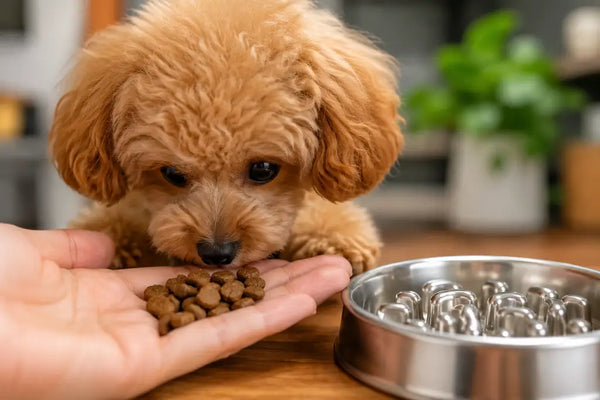
Also consider how they eat. Teacup poodles gulp food, causing gas and discomfort. Using a stainless steel slow feeder bowl with maze patterns forces them to pace themselves, preventing gulping and regurgitation. It was a game-changer for Coco.
How to Prevent Hypoglycemia in Teacup Poodles
Hypoglycemia — low blood sugar — is the bogeyman of teacup poodle care. Feed them small, frequent meals every 4–6 hours, without exception.
When a tiny dog goes too long without food, their liver can't keep up with glucose production. They crash. You'll see weakness, shaking, listlessness, and in bad cases, seizures.
Keep a high-calorie supplement or Karo syrup on hand for emergencies. If your dog looks wobbly, rub a tiny bit on their gums and feed them immediately.
If it keeps happening, see a vet — there might be an underlying issue like a liver shunt, which is more common in micro dogs. Treat the cause, not just the symptom.
Exercise & Daily Activity Needs
Teacup poodles need to move their little legs — but carefully. They have that Poodle brain, and a bored Teacup is destructive.

But don't overdo it. These aren't hiking dogs — they're lap dogs with a need for a good zoomie session.
How Much Exercise Does a Teacup Poodle Need?
✔️ Direct Answer: Teacup poodles need 20–30 minutes of total daily exercise, broken into two or three short sessions — a morning walk, indoor fetch, and an evening sniffari.
Over-exercising leads to joint injuries, especially on concrete. If they're panting hard and flopping over, you've done too much. Let them set the pace.
What Harness Is Best for Teacup Poodle Walks?
A step-in vest harness is the best choice because it distributes pressure across the chest, not the fragile neck. Never walk a teacup on a flat collar — their tracheas are so delicate that a sudden pull can cause collapse.
The reflective, adjustable, breathable vest harness from Paw Vortex is ideal for tiny teacups, and the reflective stitching keeps you visible on evening walks.
Training & Behavior Management
Teacup poodles are scary smart. But they're also stubborn and anxious without structure. They need consistent, patient training — and maybe a little treat-based bribery.
How to Train a Teacup Poodle Puppy Effectively
Positive reinforcement is the only way. You can use soft, chewy Buddy Biscuits Training Bites as tiny rewards and reward instantly. Harsh corrections make them shut down or get nippy.
Potty training is tough — their tiny bladders can't hold for long. Take them out every couple of hours. Setting up a leak-proof pee pad station indoors is a smart backup, especially in cold climates where taking a 3-lb dog out in snow is cruel.
How to Train a Teacup Poodle Puppy
A simple guide to crate and potty training a tiny breed without the stress.
Step 1: Make the Crate a Happy Place
Toss treats inside and let them walk in and out on their own. Never use the crate as punishment.
Step 2: Short, Frequent Sessions
Train for 5 minutes at a time. Teacup puppies lose focus fast, so keep it fun and energetic.
Step 3: Reward Immediately
The second they do the right thing, mark it with a "Yes!" and give a tiny treat. Timing is everything.
How to Stop Teacup Poodle Separation Anxiety
Teacup poodles are velcro dogs. Left alone too long, they bark, howl, and chew. Make alone time feel safe — start with 5 minutes and gradually increase.
The Snuggle Puppy with a real-feel pulsing heartbeat mimics a littermate's presence and can work wonders. It's not magic, but for many owners, it's the difference between quiet and a noise complaint.
Do Teacup Poodles Bark a Lot?
✔️ Direct Answer: Yes — teacup poodles are vocal and alert you to every squirrel, leaf, and suspicious sound. They make great little watchdogs.
In an apartment, barking can be a problem. Redirect that energy with puzzle toys or snuffle mats to keep their brains busy.
You can't train the bark out completely — it's their personality — but you can manage it with enrichment.
Health Monitoring & Common Issues
The smaller the dog, the bigger the health risks. Go in prepared — these issues are manageable if caught early, but devastating if ignored.
What Health Issues Do Teacup Poodles Have?
✔️ Direct Answer: The most common health risks are hypoglycemia, luxating patellas, tracheal collapse, and dental disease. Regular vet visits (twice yearly) are non-negotiable.
Their mouths are small, teeth get crowded, and tartar builds up fast. Dental disease doesn't just cause bad breath — it leads to heart and kidney problems.
According to VCA's detailed veterinary guidance on the health benefits and risks of spaying and VCA's comprehensive medical advice on neutering male dogs, spaying or neutering has both benefits and risks. Discuss the ideal timing with your vet — many now recommend waiting until 12–18 months for toy breeds to allow their joints to fully develop.
Find a vet with experience in toy breeds — not all do, and it matters.
Veterinary Checkup Schedules for Miniature Breeds
Healthy adult teacup poodles need the vet at least twice a year. Puppies go more often for shots. Seniors may go every three months if they have chronic issues.
These checkups catch heart murmurs and early kidney problems before they spiral. Talk to your vet about spay/neuter timing — they'll tailor it to your dog's size and health.
Grooming & Coat Care Routine
That fluffy coat doesn't stay that way by accident. Poodles are high-maintenance in grooming, and teacups are no different. Skip it, and you'll get painful mats.
How Often Should I Groom a Teacup Poodle?
✔️ Direct Answer: Brush daily and get a full professional groom every 4–6 weeks. This is non-negotiable — matted fur cuts off circulation.
At home, you can use a low-noise cordless clipper kit like the OCPEET Dog Grooming Kit — it's quiet, which is key for jumpy tiny dogs.
How to Brush a Teacup Poodle Coat Safely
Use a slicker brush and go in sections, parting the hair to see the skin. Brush all the way down to the skin — not just the top layer.
A combo 3-in-1 grooming set with a slicker brush, dematting rake, and flea comb is handy for tough spots. Be gentle — their skin is thin.
How Often to Bathe a Teacup Poodle
Bathe every 3–4 weeks. More often strips natural oils, leaving skin dry and itchy. Less often, and they smell.
Use a gentle, puppy-safe shampoo and rinse thoroughly — leftover soap causes flaky skin.
Do Teacup Poodles Shed?
Minimal shedding. That's the honest answer. But low-shedding doesn't mean no-maintenance. Loose hair stays trapped in the coat and mats if you don't brush it out.
You're trading vacuuming for brushing. For allergy sufferers or clean-couch lovers, that's a deal worth making.
Essential Gear & Safe Products
You don't need a ton of stuff, but what you do need must be the right size. A regular bowl is too deep, a regular toy is too big, and a regular collar is dangerous. Scale matters.
What Toys Are Safe for Teacup Poodles?
Soft rubber and plush toys are your best bet. Avoid small parts they can choke on, and skip toys for big chewers — they can crack a tiny tooth.
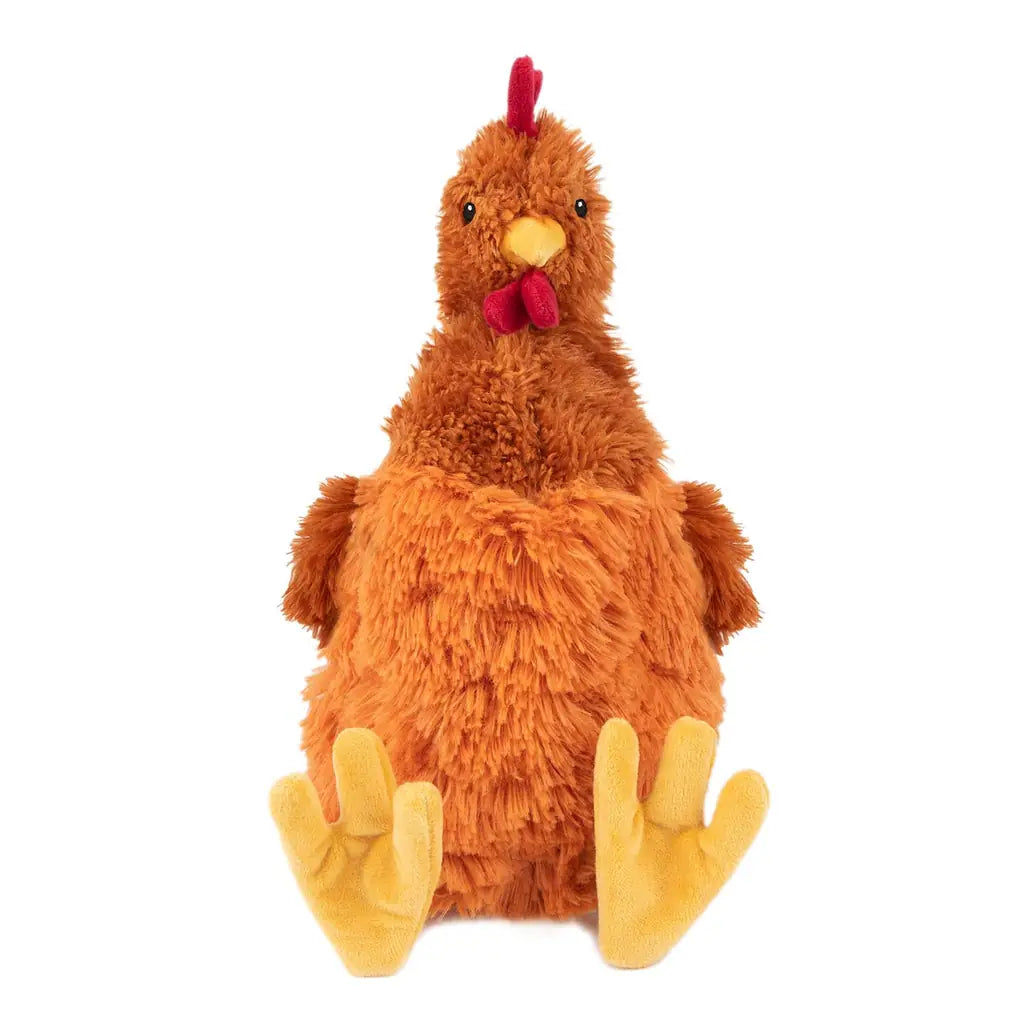
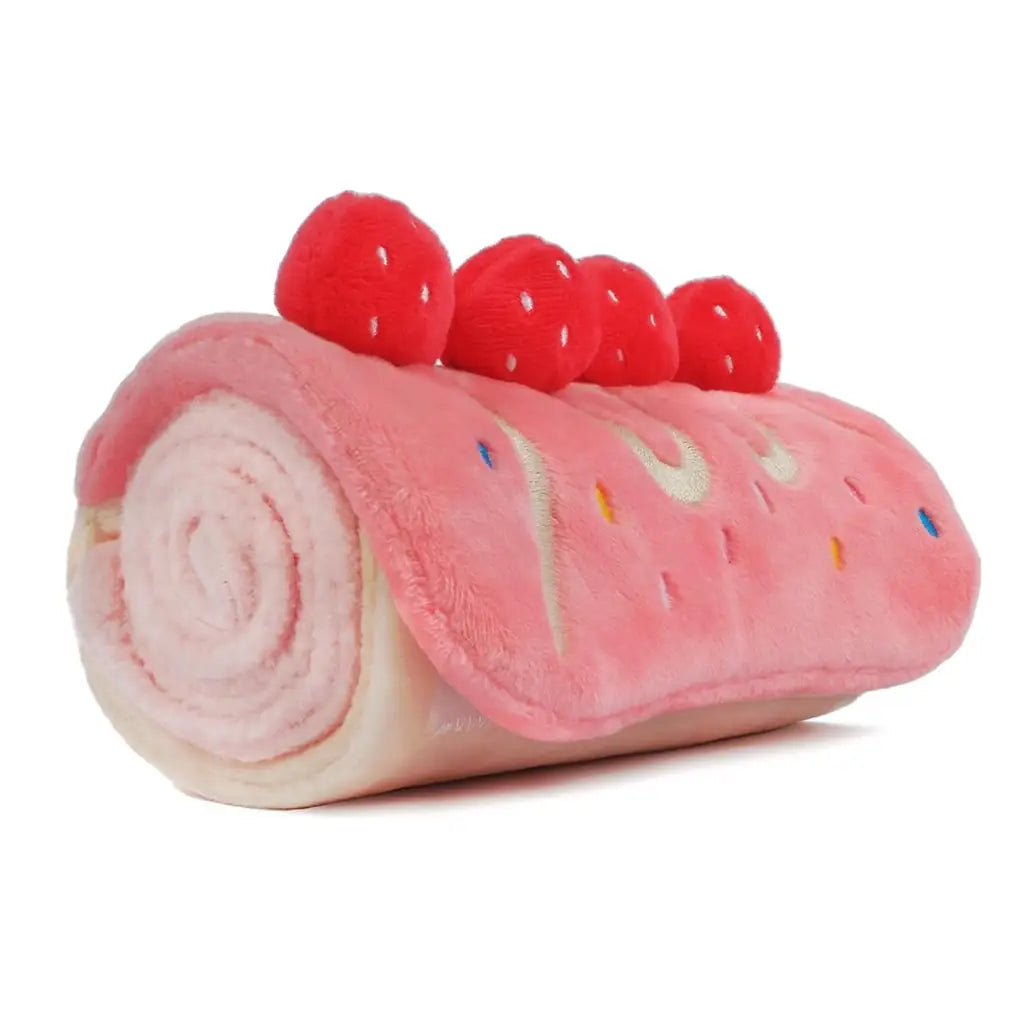
The Zeaxuie luxury puppy toy set with squeaky, rope, and treat ball options is specifically designed for small mouths. And for mental stimulation, a food-themed snuffle enrichment puzzle toy taps into their natural sniffing instinct without injury risk.
Best Bed for Teacup Poodle Comfort
A donut-style bed is the move. Teacup poodles love to curl up and burrow — raised edges make them feel safe.
The Calming Donut Bed with raised anti-anxiety rims is technically for medium dogs, but for a teacup, it's a luxury cloud. Choose a washable cover — accidents happen more often with tiny bladders.
Apartment Living & Space Optimization
Are Teacup Poodles Good for Apartments?
✔️ Direct Answer: Yes — teacup poodles are arguably the best apartment dogs, as long as you provide indoor play and mental stimulation. They don't need a yard.
A decent living room with a clear zoomie path is literally all they need. But noise is real — thin walls and barking don't mix. A good routine and a grey microfiber snuffle mat for nose work can keep them busy and quiet.
Lifespan & Long-Term Wellness
How Long Do Teacup Poodles Live?
✔️ Direct Answer: A well-cared-for teacup poodle lives 10–14 years, with 12–14 being common. The smallest ones often have shorter lifespans.
That's a long commitment for a high-needs dog. Focus on diet, dental health, and regular vet visits. Clean teeth and stable weight add years.
Senior Teacup Poodle Care Adjustments
As they age, arthritis and dental issues often appear. Switch to a senior-specific food, add a ramp to the couch, and increase vet visits.
Exercise needs drop, but mental stimulation doesn't. Keep the puzzles coming — it keeps their little brains sharp.

About Paw Vortex
Paw Vortex is your trusted partner in pet care — design-forward, expert-curated solutions for every stage of your pet's journey. Free shipping on orders over $35.
Email us at hello@pawvortex.com · Visit the Paw Vortex website at www.pawvortex.com · Connect with us on Facebook · Follow us on Instagram · Watch us on YouTube


