

Understanding Your Pet's Coat Health Dashboard
Have you ever run your fingers through your pet's fur and noticed something different? Maybe it's drier than usual, thinner in certain spots, or has a strange texture you can't quite place. While we often focus on more obvious signs of pet health, your dog or cat's coat serves as a living, breathing health dashboard that communicates their internal well-being in ways we frequently overlook.
The truth is, dog coat health signs and cat fur changes meaning go far beyond simple aesthetics. Your pet's fur is a direct reflection of their nutritional status, hormonal balance, stress levels, and overall physical health. When you understand what pet coat says about health, you gain an invaluable early warning system that can alert you to potential problems before they escalate into serious medical conditions.
In this comprehensive guide, we'll explore the hidden language of pet hair, teaching you how to read your pet's fur like a professional. From identifying pet hair loss patterns to understanding dull coat in dogs causes, you'll learn to conduct a thorough monthly coat check dog cat routine that could save your pet's life. Whether you're wondering "why is my cat's fur scruffy" or concerned about dog shedding excessively not seasonal, this guide will provide the answers you need.
📋 Table of Contents
- What Does a Normal, Healthy Coat Look Like?
- Decoding Coat Texture Changes
- Understanding Pet Hair Loss Patterns
- When Coat Color Changes Signal Health Issues
- Excessive Shedding: When to Worry
- Dull Coat Causes and Solutions
- Grooming Behavior as a Health Indicator
- The Nutrition-Coat Health Connection
- Hormonal Imbalance Signs in Pet Coats
- How to Perform a Monthly Coat Check
- Pet Coat Health Statistics
- Safe Solutions for Coat Health Problems
- Final Thoughts and Key Takeaways
What Does a Normal, Healthy Coat Look Like?

Before you can identify problems, you need to understand what optimal canine feline coat health indicators look like. A healthy coat serves as your pet's first line of defense and reflects their internal wellness.
Characteristics of a Healthy Dog Coat
- Shine and Luster: Healthy dog fur has a natural sheen that reflects light, indicating proper oil production and nutrition
- Smooth Texture: The coat should feel smooth to the touch, not brittle, dry, or excessively oily
- Even Distribution: Fur should be evenly distributed without bald patches or thinning areas
- Skin Visibility: The skin underneath should be pale pink to light brown (depending on breed), without redness or flaking
- Minimal Odor: A healthy coat has a mild, natural scent—not musty, yeasty, or foul-smelling
Characteristics of a Healthy Cat Coat
- Glossy Appearance: Cat fur should have a sleek, glossy finish that cats maintain through regular grooming
- Soft and Silky: The texture should be soft and pleasant to pet, not coarse or matted
- Clean and Debris-Free: Healthy cats groom themselves thoroughly, keeping their coat free of dirt and tangles
- Elastic Skin: When you gently lift the skin, it should snap back quickly, indicating proper hydration
- No Excessive Dander: While some dander is normal, excessive flaking suggests skin issues
Maintaining this healthy baseline requires proper nutrition. High-quality foods like Purina ONE Healthy Weight Turkey for dogs and Purina Cat Chow Complete for cats provide the essential fatty acids, proteins, and vitamins necessary for coat health. For cats needing specialized nutrition, Active Cat Weight Control offers balanced nutrition that supports both weight management and coat quality.
Decoding Coat Texture Changes
When you notice "my dog's coat feels different" or "cat fur lost its shine," you're observing important pet hair analysis health clues. Texture changes often appear before other symptoms become obvious.
Common Texture Changes and Their Meanings
Dry, Brittle Fur: This is one of the most common coat texture issues and can indicate nutritional deficiencies, dehydration, or thyroid problems. Brittle hair dog ears specifically may suggest localized skin conditions or allergies. The solution often involves improving hydration and adding omega-3 fatty acids through supplements like Nordic Naturals Omega-3 for Dogs or Omega-3 Fish Oil for Dogs Skin & Allergy.
Greasy or Oily Coat: Greasy dog coat causes include seborrhea, hormonal imbalances, or overactive sebaceous glands. This condition often comes with a distinctive odor and may require veterinary diagnosis. Regular grooming with Arava Dog and Cat Wipes can help manage symptoms while you address the underlying cause.
Coarse or Wiry Texture: When dog fur texture changed from soft to coarse, it may indicate aging, hormonal shifts, or chronic stress. This texture change is particularly common in senior pets and may benefit from dietary adjustments with foods like Legend All Life Stages Dog Food.
Matted or Tangled Fur: If you notice cat not grooming fur matted, this is a red flag. Cats are meticulous groomers, so matting often indicates pain, obesity preventing self-grooming, dental issues, or depression. Using an Electric Pet Hair Dryer Comb can help manage mats while you investigate the underlying cause.
Stress and Anxiety Effects on Coat Texture
Many pet owners ask, "can anxiety change my pet's fur?" The answer is absolutely yes. Chronic stress affects coat quality through several mechanisms: increased cortisol levels, excessive grooming or neglected grooming, and reduced nutrient absorption. If you suspect anxiety, consider NaturVet Calming Treats for Dogs or NaturVet Hemp Quiet Moments Calming Aid to help manage stress-related coat issues.
Understanding Pet Hair Loss Patterns

Not all shedding is created equal. Understanding pet hair loss patterns helps you distinguish between normal seasonal shedding and concerning health issues that require veterinary attention.
Normal vs. Abnormal Shedding Patterns
Seasonal Shedding (Normal): Most dogs and cats shed heavily twice a year—spring and fall—as they transition between winter and summer coats. This is completely normal and expected.
Non-Seasonal Excessive Shedding (Concerning): When you notice dog shedding excessively not seasonal, it's time to investigate. Causes include poor nutrition, stress, allergies, parasites, or underlying medical conditions.
Specific Hair Loss Patterns and What They Mean
Symmetrical Hair Loss: Symmetrical hair loss dog patterns—where both sides of the body lose fur in matching areas—strongly suggest hormonal problems such as Cushing's disease, hypothyroidism, or sex hormone imbalances. This pattern is rarely caused by external factors and almost always requires veterinary diagnosis and treatment.
Patchy Hair Loss: Random patches of hair loss typically indicate localized issues like ringworm, bacterial infections, or trauma from excessive scratching due to allergies or parasites.
Thinning Along the Back: Progressive thinning along the spine and back often relates to flea allergy dermatitis or food sensitivities. Consider Natural Flea & Tick Dog Chewables for parasite prevention.
Tail and Rear End Hair Loss: This pattern frequently indicates anal gland issues, flea allergies, or stress-related over-grooming. Digestive support through Active Dog Colon Support may help if the issue is gastrointestinal-related.
When Hair Loss Requires Immediate Attention
- Sudden, rapid hair loss over large areas
- Hair loss accompanied by skin lesions, redness, or oozing
- Hair loss with behavioral changes (lethargy, appetite loss)
- Hair loss that doesn't regrow after several weeks
- Hair loss with visible parasites or severe itching
When Coat Color Changes Signal Health Issues
Color changes in your pet's coat can be subtle but significant hidden signs in pet hair that something is amiss internally. While some color changes are benign, others warrant immediate investigation.
Common Coat Color Changes
Black Cat Fur Turning Red or Brown: One of the most frequently searched concerns is "black cat fur turning red." This rusty discoloration typically results from sun exposure (tyrosine breakdown), nutritional deficiencies (particularly copper or tyrosine), or excessive licking due to allergies or stress. While often harmless, it can indicate underlying issues that need addressing.
Lightening or Fading: General coat fading can indicate aging, sun damage, or nutritional deficiencies. Ensuring your pet receives complete nutrition through foods like Purina ONE Tender Selects Salmon helps maintain vibrant coat color.
Yellowing of White Fur: Yellowing around the mouth, paws, or genital areas often results from saliva staining, tear staining, or urine contact. However, generalized yellowing can indicate liver problems and requires veterinary evaluation.
Darkening or Hyperpigmentation: Dark spots or patches developing on the skin or coat may indicate hormonal changes, chronic inflammation, or in rare cases, melanoma. Any new dark spots should be examined by a veterinarian.
Nutritional Deficiencies and Color Changes
Coat color is heavily influenced by amino acids, particularly tyrosine and phenylalanine. Deficiencies in these nutrients, along with copper, zinc, and B vitamins, can cause noticeable color changes. High-quality, complete diets prevent these deficiencies and maintain coat vibrancy.
Excessive Shedding: When to Worry
Understanding when to worry about dog shedding requires knowing your pet's normal baseline and recognizing when shedding crosses from normal to excessive.
Causes of Excessive Shedding
Nutritional Deficiencies: Poor-quality food lacking essential fatty acids, proteins, and vitamins is a leading cause of excessive shedding. The foundation of coat health is nutrition for shiny dog coat—without proper building blocks, the hair follicle cycle becomes disrupted. Premium foods like Gravy Train Beefy Classic and Purina Moist & Meaty Bacon & Egg provide balanced nutrition that supports healthy coat cycles.
Stress and Anxiety: Chronic stress triggers excessive shedding through elevated cortisol levels. Environmental changes, separation anxiety, or household disruptions can all trigger stress-related shedding. Creating a calm environment with comfortable resting spaces like the Memory Foam Velvet Pet Bed, Teflon Easy Clean Square Pet Bed, or Warm Triangle Cat Dog Yurt Bed helps reduce stress.
Medical Conditions: Thyroid disorders, Cushing's disease, kidney disease, and liver problems all manifest with excessive shedding as an early symptom. If dietary improvements and stress reduction don't help within 4-6 weeks, veterinary evaluation is essential. For cats with kidney concerns, specialized nutrition like Active Cat Renal supports both kidney function and overall health.
Parasites and Allergies: Fleas, mites, and environmental or food allergies cause inflammation and itching that leads to excessive shedding and hair loss. Regular parasite prevention and identifying allergens are crucial.
Managing Excessive Shedding
- Brush daily to remove loose fur and stimulate natural oil distribution
- Ensure high-quality nutrition with adequate omega-3 and omega-6 fatty acids
- Maintain consistent grooming routines with proper tools
- Address underlying stress or anxiety with environmental modifications
- Consider best supplements for cat fur health and dogs, including omega-3 supplements
- Ensure adequate hydration—dehydration significantly impacts coat health
Dull Coat Causes and Solutions
A sudden dull coat dog or cat is one of the most common concerns pet owners notice. The loss of shine and luster indicates that something has disrupted the natural oil production or overall health status.
Primary Causes of Dull Coats
Poor Nutrition: This is the number one cause of dull coats. Without adequate protein, essential fatty acids (especially omega-3 and omega-6), and fat-soluble vitamins (A, D, E), the coat loses its natural sheen. The solution is upgrading to premium nutrition and potentially adding supplements.
Dehydration: Insufficient water intake affects skin and coat health dramatically. Ensure fresh water is always available and consider adding wet food to increase moisture intake.
Digestive Issues: If your pet can't properly absorb nutrients due to digestive problems, even the best diet won't help. Supporting digestive health with Dog Fiber Probiotics Stool Softener Chews can improve nutrient absorption and coat quality.
Kidney or Liver Disease: These organs play crucial roles in processing nutrients and eliminating toxins. When compromised, coat quality suffers. For cats with kidney concerns, specialized nutrition supports both kidney function and overall health.
Hypothyroidism: This common hormonal disorder in dogs causes a dull, dry coat along with weight gain, lethargy, and cold intolerance. It requires veterinary diagnosis and lifelong medication.
Solutions for Restoring Coat Shine
- Upgrade to premium, protein-rich food with named meat sources as the first ingredient
- Add omega-3 supplements specifically formulated for pets
- Ensure adequate water intake (approximately 1 ounce per pound of body weight daily)
- Regular grooming to distribute natural oils throughout the coat
- Address any underlying medical conditions with veterinary guidance
- Consider digestive support if absorption issues are suspected
Grooming Behavior as a Health Indicator
Changes in grooming behavior provide critical insights into your pet's physical and mental health. Both over-grooming and under-grooming signal problems that need attention.
Under-Grooming in Cats
Cats are naturally fastidious groomers, spending up to 50% of their waking hours on grooming activities. When cat not grooming fur matted becomes apparent, investigate these potential causes:
- Dental Pain: Painful teeth or gums make grooming uncomfortable, leading to neglected coats
- Arthritis: Joint pain prevents cats from reaching certain areas, particularly the back and hindquarters
- Obesity: Overweight cats physically cannot reach all areas of their body
- Depression or Illness: Sick or depressed cats lose interest in self-care
- Senior Cognitive Decline: Older cats may forget grooming routines
Providing comfortable, accessible resting areas like the Plush Half Enclosed Cat Bed and engaging toys such as the Automatic Laser Cat Toy can help maintain mental stimulation and physical activity that supports grooming behavior. The Sisal Cat Scratching Bed Board also encourages natural behaviors that keep cats active and engaged.
Over-Grooming and Compulsive Licking
Excessive grooming leading to hair loss, skin irritation, or bald patches indicates:
- Allergies (food, environmental, or flea-related)
- Skin parasites or infections
- Pain or discomfort in specific areas
- Anxiety, stress, or obsessive-compulsive disorder
- Boredom or insufficient mental stimulation
For anxiety-related over-grooming, calming aids and environmental enrichment are essential. Ensure your pet has engaging activities like the Inflatable Dog Football Toy and comfortable spaces to reduce stress.
Changes in Grooming Routine
Any sudden change in grooming behavior—whether increased or decreased—warrants attention. These changes often precede other obvious symptoms and provide early warning of developing health issues.
The Nutrition-Coat Health Connection
The saying "you are what you eat" applies equally to pets. The pet coat language health clues often trace directly back to nutritional status, making diet the foundation of coat health.
Essential Nutrients for Healthy Coats
Protein: Hair is approximately 95% protein, making adequate high-quality protein the most critical nutrient for coat health. Look for foods with named meat sources (chicken, beef, salmon, turkey) as the first ingredient.
Essential Fatty Acids: Omega-3 (EPA and DHA) and omega-6 fatty acids are crucial for skin health, inflammation control, and coat shine. These must come from diet as pets cannot synthesize them. Fish-based foods like Purina ONE Tender Selects Salmon provide excellent omega-3 sources.
Vitamins: Vitamin A supports skin cell turnover, vitamin E acts as an antioxidant protecting skin cells, and B-complex vitamins support overall skin and coat health.
Minerals: Zinc supports skin integrity and wound healing, copper is essential for pigmentation, and selenium works with vitamin E as an antioxidant.
Signs Your Pet's Diet Needs Improvement
- Dull, lackluster coat despite regular grooming
- Excessive shedding outside of seasonal patterns
- Dry, flaky skin or dandruff
- Slow hair regrowth after grooming or injury
- Brittle, easily broken hair
- Frequent skin infections or hot spots
Choosing the Right Food for Coat Health
Premium foods formulated for complete nutrition provide the foundation for healthy coats. Consider your pet's life stage, activity level, and any special health needs. For weight management without sacrificing nutrition, options like Purina ONE Healthy Weight Turkey or Active Cat Weight Control maintain coat quality while supporting healthy weight.
Hormonal Imbalance Signs in Pet Coats
Understanding hormonal imbalance dog coat signs helps identify endocrine disorders early, when treatment is most effective. The coat often reveals hormonal problems months before other symptoms become obvious.
Common Hormonal Disorders Affecting Coats
Hypothyroidism (Dogs): This is the most common hormonal disorder in dogs, causing a dull, dry coat, symmetrical hair loss (especially on the trunk and tail), slow hair regrowth, and increased shedding. Other symptoms include weight gain, lethargy, and cold intolerance. Diagnosis requires blood testing, and treatment involves lifelong thyroid hormone supplementation.
Cushing's Disease (Hyperadrenocorticism): Excess cortisol production causes thin, fragile skin, symmetrical hair loss, poor coat quality, and a pot-bellied appearance. The coat may feel thin and papery, and skin may bruise easily. This condition requires veterinary diagnosis and management.
Sex Hormone Imbalances: Intact and spayed/neutered pets can develop sex hormone imbalances causing symmetrical hair loss, particularly on the flanks and trunk. The coat may appear "moth-eaten" with patches of missing fur.
Hyperthyroidism (Cats): While less common than hypothyroidism in dogs, hyperthyroidism in cats causes a greasy, unkempt coat due to the cat feeling too ill to groom properly. Weight loss despite increased appetite is a hallmark sign.
Recognizing Hormonal Coat Changes
- Symmetrical patterns of hair loss on both sides of the body
- Hair loss that doesn't itch (non-pruritic alopecia)
- Slow or absent hair regrowth after clipping or shaving
- Changes in coat texture (becoming coarser or finer)
- Hyperpigmentation (darkening) of the skin in affected areas
- Thin, fragile skin that tears or bruises easily
If you notice these patterns, veterinary evaluation with blood work is essential for proper diagnosis and treatment. The question "does dog coat indicate internal problems" is answered with a resounding yes when it comes to hormonal disorders.
How to Perform a Monthly Coat Check
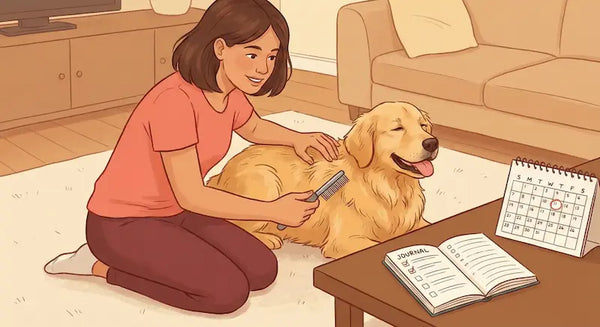
Implementing a regular monthly coat check dog cat routine helps you catch problems early. This systematic approach to home check for pet skin and coat health takes only 10-15 minutes but provides invaluable health monitoring.
Step-by-Step Monthly Coat Examination
Step 1: Visual Inspection
- Examine the overall coat appearance in good lighting
- Look for shine, even distribution, and color consistency
- Check for any bald patches, thinning areas, or unusual patterns
- Note any visible parasites, debris, or abnormalities
Step 2: Texture Assessment
- Run your hands through the entire coat, feeling for texture changes
- Note any areas that feel dry, brittle, greasy, or different from normal
- Check for mats, tangles, or clumps that weren't there before
- Feel for any lumps, bumps, or skin abnormalities beneath the coat
Step 3: Skin Examination
- Part the fur in multiple locations to examine the skin directly
- Look for redness, flaking, scabs, or lesions
- Check for parasites like fleas or flea dirt (black specks)
- Assess skin color—it should be pale pink to light brown, not red or inflamed
Step 4: Shedding Assessment
- Brush your pet thoroughly and assess the amount of loose fur
- Compare to previous months—is shedding increasing or decreasing?
- Note whether shedding is even or concentrated in specific areas
Step 5: Grooming Behavior Observation
- Has your pet's grooming behavior changed?
- Are they grooming more or less than usual?
- Are there areas they're avoiding or focusing on excessively?
Tools for Effective Coat Checks
Having the right tools makes coat checks easier and more effective. Essential items include quality brushes appropriate for your pet's coat type, grooming wipes like Arava Dog and Cat Wipes for cleaning and inspection, and tools like the Electric Pet Hair Dryer Comb for thorough grooming sessions.
Documenting Your Findings
Keep a simple log of your monthly coat checks, noting date, overall coat condition, any changes observed, shedding level, and any concerns. Photos can be incredibly helpful for tracking changes over time and showing your veterinarian if issues develop.
Pet Coat Health Statistics
Understanding the prevalence of coat-related health issues helps put your pet's condition in perspective and emphasizes the importance of regular monitoring.
📊 Key Statistics on Pet Coat Health
- 65% of dogs experience some form of skin or coat problem during their lifetime
- Allergies affect 10-15% of all dogs, with skin and coat symptoms being the most common manifestation
- Hypothyroidism occurs in 1 in 500 dogs, with coat changes being one of the earliest signs
- 80% of cats over age 10 show signs of dental disease, which often leads to poor grooming and matted fur
- Nutritional deficiencies account for approximately 30% of coat quality issues in pets
- Stress-related shedding increases by up to 300% during major life changes or environmental disruptions
- Flea allergy dermatitis is the most common skin condition in dogs and cats, affecting millions annually
- Early detection of health issues through coat monitoring can improve treatment outcomes by 60-70%
These statistics underscore why understanding your pet coat health dashboard is so critical. Regular monitoring and early intervention can prevent minor issues from becoming serious health problems.
Safe Solutions for Coat Health Problems
When you identify coat health issues, taking appropriate action quickly can prevent progression and restore your pet's coat to optimal condition. Here are evidence-based solutions for common problems.
Solution 1: Optimize Nutrition
The single most impactful change you can make for coat health is upgrading your pet's diet. Choose foods with high-quality protein sources as the first ingredient, adequate essential fatty acids (look for omega-3 and omega-6), and complete vitamin and mineral profiles. Premium options like Purina ONE Healthy Weight Turkey for dogs and Purina Cat Chow Complete for cats provide comprehensive nutrition. Allow 6-8 weeks for dietary changes to show visible improvements in coat quality.
Solution 2: Add Omega-3 Supplementation
Omega-3 fatty acids are powerful anti-inflammatory agents that support skin health and coat shine. Supplements like Nordic Naturals Omega-3 for Dogs and Omega-3 Fish Oil for Dogs Skin & Allergy provide concentrated EPA and DHA that many commercial foods lack in sufficient quantities. These are among the best supplements for cat fur health and dogs, with visible improvements typically appearing within 4-6 weeks.
Solution 3: Implement Regular Grooming Routines
Consistent grooming distributes natural oils, removes dead hair, stimulates blood flow to the skin, and allows early detection of problems. Brush dogs daily and cats 2-3 times weekly (more for long-haired breeds). Use appropriate tools for your pet's coat type and consider professional grooming every 6-12 weeks for breeds requiring it. Tools like the Electric Pet Hair Dryer Comb make grooming more efficient.
Solution 4: Address Stress and Anxiety
Since chronic stress significantly impacts coat health, creating a calm, predictable environment is essential. Provide comfortable resting spaces like the Memory Foam Velvet Pet Bed or Plush Half Enclosed Cat Bed. For dogs with anxiety, consider NaturVet Calming Treats or NaturVet Hemp Quiet Moments Calming Aid. Maintain consistent routines, provide adequate exercise, and ensure mental stimulation through toys and activities.
Solution 5: Support Digestive Health
Healthy digestion ensures proper nutrient absorption, which directly impacts coat quality. If your pet has digestive issues, consider adding Dog Fiber Probiotics Stool Softener Chews or specialized foods like Active Dog Colon Support. Probiotics support gut health, which influences everything from immune function to nutrient absorption.
Solution 6: Maintain Parasite Prevention
Fleas, ticks, and internal parasites all negatively impact coat health. Use year-round prevention with products like Natural Flea & Tick Dog Chewables. Regular prevention is far easier and less expensive than treating infestations and the resulting skin damage.
Solution 7: Ensure Adequate Hydration
Dehydration profoundly affects skin and coat health. Ensure fresh water is always available, consider adding water fountains to encourage drinking, and incorporate wet food into the diet. Dogs need approximately 1 ounce of water per pound of body weight daily, while cats typically need 3.5-4.5 ounces per 5 pounds of body weight.
Solution 8: Create an Enriching Environment
Mental stimulation and physical activity support overall health, including coat quality. Provide engaging toys like the Automatic Laser Cat Toy for cats, Inflatable Dog Football Toy for dogs, and scratching surfaces like the Sisal Cat Scratching Bed Board. Regular exercise and play reduce stress and promote healthy grooming behaviors.
🛍️ Recommended Products for Coat Health
Premium Nutrition:
- Purina ONE Healthy Weight Turkey (16lb) - Complete nutrition for dogs
- Purina Cat Chow Complete (20lb) - Balanced cat nutrition
- Legend All Life Stages Dog Food (25lb) - Suitable for all ages
- Purina ONE Tender Selects Salmon (7lb) - Omega-3 rich formula
Supplements & Health Support:
- Nordic Naturals Omega-3 for Dogs - Premium fish oil supplement
- Omega-3 Fish Oil for Dogs Skin & Allergy - Targeted skin support
- Dog Fiber Probiotics Stool Softener Chews - Digestive health
- Natural Flea & Tick Dog Chewables - Parasite prevention
Grooming Tools:
- Electric Pet Hair Dryer Comb - Efficient grooming solution
- Arava Dog and Cat Wipes - Gentle cleaning wipes
Stress Relief & Comfort:
- NaturVet Calming Treats for Dogs - Anxiety management
- NaturVet Hemp Quiet Moments Calming Aid - Advanced stress relief
- Memory Foam Velvet Pet Bed - Comfortable resting space
- Plush Half Enclosed Cat Bed - Cozy cat retreat
Specialized Care:
- Active Cat Weight Control (4lb) - Weight management nutrition
- Active Cat Renal (1lb) - Kidney support formula
- Active Dog Colon Support (8lb) - Digestive health support
Final Thoughts and Key Takeaways
Your pet's coat is far more than just their outward appearance—it's a sophisticated communication system that reveals their internal health status. By learning to read the hidden language of pet hair, you become an active partner in your pet's healthcare, capable of detecting problems early when they're most treatable.
The pet coat health dashboard provides continuous feedback about nutrition, hormonal balance, stress levels, parasite presence, and underlying medical conditions. Whether you're investigating "why is my cat's fur scruffy" or concerned about dog shedding excessively not seasonal, the answers often lie in systematic observation and understanding what different coat changes mean.
🔑 Key Takeaways
- Perform monthly coat checks to establish your pet's normal baseline and detect changes early
- Nutrition is the foundation of coat health—invest in high-quality food with adequate protein and essential fatty acids
- Symmetrical hair loss patterns almost always indicate hormonal problems requiring veterinary diagnosis
- Sudden texture changes, excessive shedding, or dull coats warrant investigation within 2-4 weeks
- Stress and anxiety significantly impact coat quality through multiple physiological mechanisms
- Grooming behavior changes (both increased and decreased) signal underlying health or emotional issues
- Omega-3 supplementation is one of the most effective interventions for improving coat quality
- Early detection through coat monitoring can improve treatment outcomes by 60-70%
- Document changes with photos and notes to track progression and communicate effectively with your veterinarian
- When in doubt, consult your veterinarian—coat changes can indicate serious underlying conditions
Remember that while this guide provides comprehensive information about pet hair analysis health and canine feline coat health indicators, it's not a substitute for professional veterinary care. Use your newfound knowledge to monitor your pet's health, but always consult with your veterinarian when you identify concerning changes or patterns.
By implementing regular monthly coat check dog cat routines, optimizing nutrition, managing stress, and staying vigilant for warning signs, you're giving your pet the best possible chance at a long, healthy, comfortable life. Your pet's coat is speaking to you—now you know how to listen.
🐾 Ready to Improve Your Pet's Coat Health?
Explore our complete collection of premium pet nutrition, supplements, and grooming products designed to support optimal coat health.

About Paw Vortex
At Paw Vortex, we're passionate about providing premium pet products that enhance the health, happiness, and well-being of your furry family members. From nutrition to grooming, comfort to enrichment, we carefully curate products that meet the highest standards of quality and effectiveness.
Why Choose Paw Vortex?
- Premium, veterinarian-recommended products
- Comprehensive selection for dogs and cats
- Expert guidance and educational resources
- Fast, reliable shipping
- Dedicated customer support team
- Satisfaction guaranteed
📚 Related Articles
❓ Frequently Asked Questions
Q: How quickly should I see improvement in my pet's coat after changing their diet?
A: Most pets show noticeable coat improvements within 6-8 weeks of dietary changes. Hair growth cycles take time, so patience is essential. If you see no improvement after 8-10 weeks, consult your veterinarian to rule out underlying medical conditions.
Q: Is it normal for my black cat's fur to turn reddish-brown?
A: Yes, this is relatively common and usually results from sun exposure breaking down melanin pigments, nutritional deficiencies (particularly tyrosine or copper), or excessive licking. While often benign, it's worth discussing with your veterinarian to rule out underlying issues.
Q: When should I be concerned about my dog's shedding?
A: Be concerned if shedding is excessive outside of seasonal changes, occurs in patches or patterns, is accompanied by skin changes (redness, lesions, odor), happens alongside behavioral changes, or doesn't improve with improved nutrition and grooming within 4-6 weeks.
Q: Can stress really affect my pet's coat that much?
A: Absolutely. Chronic stress elevates cortisol levels, which disrupts the normal hair growth cycle, reduces nutrient absorption, and can trigger excessive shedding or changes in grooming behavior. Stress management is a crucial component of coat health.
Q: What's the most important nutrient for coat health?
A: Protein is the foundation since hair is 95% protein, but essential fatty acids (omega-3 and omega-6) are equally critical for skin health and coat shine. A deficiency in either will cause visible coat problems.
Q: How do I know if my cat's matted fur is a health problem or just grooming neglect?
A: Healthy cats are fastidious groomers. If matting develops, it almost always indicates an underlying problem—dental pain, arthritis, obesity, illness, or depression. The matting itself isn't the problem; it's a symptom of something preventing normal grooming behavior.
Q: Should I add omega-3 supplements even if my pet eats premium food?
A: Many veterinarians recommend omega-3 supplementation even with premium foods because the amounts in commercial diets may not be optimal for therapeutic effects. Supplements provide concentrated EPA and DHA that can significantly improve coat quality and reduce inflammation.
Q: What does symmetrical hair loss always mean?
A: Symmetrical hair loss (matching patterns on both sides of the body) almost always indicates hormonal imbalances such as hypothyroidism, Cushing's disease, or sex hormone disorders. This pattern requires veterinary evaluation and blood work for proper diagnosis.
Medical Disclaimer: This article is for informational purposes only and is not intended to replace professional veterinary advice, diagnosis, or treatment. Always consult with a qualified veterinarian regarding your pet's health concerns.
© 2024 Paw Vortex. All rights reserved.


