

Does your tiny Chihuahua rule the household with a mighty bark and a suspicious side-eye? You're not alone. Often misunderstood as "ankle-biters" or inherently aggressive, these small but mighty companions are actually one of the most loyal, intelligent, and trainable breeds—when you understand how their minds work. This guide is designed for dedicated pet parents who want to move past the myths and build a relationship based on trust and clear communication. We'll explore the real reasons behind common chihuahua behavior problems and provide a roadmap using chihuahua positive reinforcement techniques that respect their unique temperament. Over the next few minutes, you'll gain the tools to transform your spirited friend into a confident, well-mannered family member, covering everything from socialization to potty training.
Last validated: March 2026
Table of Contents
- Introduction to Chihuahua Training
- Chihuahua Aggression Myths and Facts
- Positive Reinforcement Training for Chihuahuas
- Chihuahua Socialization and Barking Solutions
- Chihuahua Potty Training and Housebreaking
- Chihuahua Independence and Loyalty Training
- Chihuahua Intelligence and Trainability
- Chihuahua Training for Anxiety and Stress
- Bonding with Your Chihuahua
Jump to any section by clicking the links above.
Introduction to Chihuahua Training
Understanding Chihuahua Temperament
To effectively train a Chihuahua, you must first appreciate their unique personality. The chihuahua temperament is a fascinating blend of fierce loyalty, high intelligence, and surprising sensitivity. They were bred as companion dogs, which means their entire world often revolves around their favorite person. This devotion is a beautiful trait, but it can lead to issues like separation anxiety or possessiveness if not managed correctly. Understanding their chihuahua behavior starts with recognizing that they are not "small dogs with big attitudes" in a negative sense; rather, they are individuals who use vocalization and posturing to communicate because they are physically small in a large world.
Effective chihuahua socialization from a young age is key to preventing fear-based reactions. A Chihuahua that isn't properly socialized may see strangers or other dogs as threats, leading to the aggressive displays they are often unfairly labeled with. When considering their comfort, even simple things like a well-fitting coat can make a difference in their confidence during cold-weather walks. Explore options like the Cotton Dog Jacket for Small Breeds – Cozy Teddy & Pomeranian Outfit to keep your little one comfortable and ready for positive outings. For a foundational approach, the Pets Training collection offers tools to support your journey.
Quick-Reference: Chihuahua Temperament Traits
| Trait | Description | Training Implication |
|---|---|---|
| Loyalty | Forms intense bond with one person | Can lead to protectiveness; work on neutrality around others. |
| Intelligence | Quick learners, but can be stubborn | Require engaging, varied training to prevent boredom. |
| Sensitivity | Highly attuned to owner's emotions | Harsh corrections can backfire; use positive reinforcement. |
Takeaway: A Chihuahua's temperament is built on loyalty and sensitivity—understanding this is the first step to effective, compassionate training.
Setting Realistic Expectations for Chihuahua Owners
One of the most common questions we hear is, "are chihuahuas hard to train?" The answer isn't a simple yes or no. They are incredibly smart, which means they learn quickly, but their independent streak means they often ask, "What's in it for me?" This is why chihuahua positive reinforcement isn't just a suggestion; it's a necessity. Setting realistic expectations means accepting that training is a daily commitment, not a one-time event. It means understanding that chihuahua aggression is rarely about being "mean" and almost always about fear, lack of socialization, or the accidental reinforcement of chihuahua small dog syndrome.
Small Dog Syndrome is a learned behavior where small dogs are allowed to get away with behaviors (like jumping, barking, or growling) that would never be tolerated in a large breed. Because they're easy to pick up, owners often inadvertently reinforce this by removing them from stressful situations instead of teaching them to cope. Your goal should be to treat your Chihuahua like a dog, not a baby. This means setting clear, consistent rules. Expect the process to take patience. Chihuahua potty training tips often require more diligence due to their small bladders, and how to stop chihuahua aggression will require identifying triggers and teaching alternative behaviors.
Takeaway: Patience and consistency are your greatest tools. Treat your Chihuahua with the same respect and expectations you would a larger dog, and you'll be amazed at their capability.
Chihuahua Aggression Myths and Facts
Debunking Common Chihuahua Aggression Myths
It's time to set the record straight. The narrative that Chihuahuas are inherently aggressive is one of the most pervasive chihuahua aggression myths. The truth is, aggression is not a breed trait; it's a behavior stemming from a specific cause. Myth: "Chihuahuas are naturally aggressive and can't be trusted." Fact: With proper training and socialization, Chihuahuas are no more aggressive than any other breed. Their behavior often reflects their owner's handling. Myth: "They're just small dogs with a napoleon complex." Fact: This is a human-centric projection. What we interpret as a "complex" is often a small dog's attempt to appear larger to a perceived threat because they haven't been taught that they are safe.
Another myth is that you can't train a Chihuahua because they're too stubborn. This confuses independence with a lack of intelligence. The real issue is often a failure to motivate them. Understanding the true nature of chihuahua behavior problems means looking at the root cause. Fear, pain, resource guarding, and a lack of chihuahua socialization are the primary drivers of aggressive displays, not an inherent "bad" personality. When we label the dog as "aggressive," we stop looking for the reason behind the behavior, which is where the real solution lies.
Comparison: Myth vs. Fact
| Myth | Fact |
|---|---|
| Chihuahuas are naturally aggressive. | Aggression is learned or fear-based, not a breed-specific trait. |
| They can't be trained because they're too stubborn. | They are highly trainable with positive motivation. |
| Small dog behavior is "cute" and should be excused. | All dogs need consistent boundaries for a balanced life. |
Takeaway: Don't let myths define your dog. Chihuahuas are not born aggressive; they become fearful or reactive when their needs aren't understood.
Understanding the Root Causes of Chihuahua Aggression
To fix a problem, you must understand its source. In Chihuahuas, aggression is almost always a symptom of something else. The most common root cause is fear. A Chihuahua's small stature makes them vulnerable, and if they feel threatened—whether by a stranger, a child, or a larger dog—their first instinct may be to growl or snap to create distance. This is a natural communication, not a sign of a "vicious" dog. Another major cause is resource guarding. This can be guarding of food, toys, a favorite spot on the couch, or most commonly, their owner. This stems from their deep-seated loyalty and, again, a feeling of needing to protect something they value.
Pain or illness can also cause a normally sweet dog to become irritable. Dental issues, which are common in small breeds, are a frequent culprit. If your dog's behavior changes suddenly, a vet check is always the first step. Lastly, the unintentional reinforcement of chihuahua small dog syndrome plays a huge role. When a dog growls and the owner picks them up, the dog learns that growling gets them removed from a stressful situation, which reinforces the behavior. They aren't being "dominant"; they are effectively communicating their discomfort in a way that has worked in the past. Understanding these root causes is the foundation of how to stop chihuahua aggression effectively.
Data Summary: Common Triggers for Chihuahua Aggression
| Trigger Category | Percentage of Cases (Est.) | Primary Emotion |
|---|---|---|
| Fear of Strangers/Other Dogs | 45% | Fear |
| Resource Guarding (Food/Toys/Owner) | 30% | Insecurity |
| Pain or Medical Issues | 15% | Pain/Irritation |
| Lack of Socialization | 10% | Anxiety |
Takeaway: Aggression is a communication of fear, pain, or insecurity. Your job is to listen to what your Chihuahua is telling you and address the underlying need.
Positive Reinforcement Training for Chihuahuas
Introduction to Positive Reinforcement Training
Positive reinforcement is the gold standard for all dog training, but for a sensitive breed like the Chihuahua, it's absolutely essential. This method focuses on rewarding desired behaviors, making them more likely to be repeated, while ignoring or redirecting unwanted behaviors. It builds a bond of trust and turns you into a source of all things good, rather than a source of fear. At its core, chihuahua positive reinforcement is about teaching your dog what *to* do, rather than punishing them for what they're doing wrong. This is especially effective because Chihuahuas are people-pleasers at heart; they want to make you happy, but they need clear guidance on how to do so.
A powerful tool within this framework is chihuahua clicker training. The clicker acts as a "bridge" or a marker that precisely tells your dog, "Yes! That exact behavior is what earned you a reward." It removes any ambiguity. For example, if you're teaching "sit," you click the moment their bottom hits the floor, then give a treat. This clarity accelerates learning for intelligent dogs who may get bored or frustrated with vague feedback. The key is finding the right reward, which for many Chihuahuas is tiny, high-value treats (like chicken or cheese) that are reserved only for training sessions. This method is central to all chihuahua positive reinforcement methods and transforms training from a chore into a fun game.
Step-by-Step: Introducing Clicker Training
| Step | Action | Goal |
|---|---|---|
| 1. Charge the Clicker | Click, then immediately give a treat. Repeat 10-15 times. | Dog learns "click" = reward is coming. |
| 2. Capture a Behavior | Wait for the dog to naturally sit, click, and treat. | Associate the click with the specific action. |
| 3. Add a Cue | Say "sit" just before the behavior happens, then click and treat. | Dog connects the verbal cue to the action. |
| 4. Practice and Generalize | Practice in different rooms, then outdoors. | Reliable command in any environment. |
Takeaway: Positive reinforcement and clicker training aren't just techniques; they're a philosophy that turns training into a joyful partnership.
Tips for Implementing Positive Reinforcement Training
Success with positive reinforcement relies on timing, consistency, and the value of your reward. The reward must be immediate—within seconds of the desired behavior—for your Chihuahua to make the connection. If you wait too long, they might think they're being rewarded for a different action, like looking at you or scratching. Keep training sessions short. Chihuahuas, with their high intelligence, can get bored with long, repetitive drills. Five to ten minutes, two to three times a day, is far more effective than one long, frustrating session. This prevents chihuahua behavior problems born from mental fatigue.
Use a variety of rewards. While food is a great primary motivator, incorporating toys, play, or enthusiastic praise can keep things fresh and tap into their natural desire for interaction. This is especially helpful when working on chihuahua tricks or advanced behaviors. Be mindful of your own energy. Chihuahuas are incredibly attuned to their owners; if you're frustrated, they'll know it and may become anxious. If a session isn't going well, end on a positive note with a simple, known behavior, and try again later. This approach is fundamental to any chihuahua training program, building confidence and a desire to work with you.
Quick-Reference: Positive Reinforcement Do's and Don'ts
| Do's | Don'ts |
|---|---|
| Reward immediately after the behavior. | Punish or scold for mistakes. |
| Use high-value treats for new skills. | Use the same treat for everything (keep it special). |
| Keep sessions short and fun (5-10 mins). | Train when you or the dog are tired/frustrated. |
| Be consistent with cues and rules. | Allow the behavior "sometimes" and correct other times. |
Takeaway: Consistency, timing, and a positive attitude are the pillars of effective positive reinforcement training for your Chihuahua.
Chihuahua Potty Training and Housebreaking
Introduction to Chihuahua Potty Training
Potty training is often cited as one of the biggest challenges for Chihuahua owners, but with the right approach, it's entirely achievable. The difficulties often stem from their small size (small bladder), sensitivity to weather, and a history of being allowed to use puppy pads indoors indefinitely. The first step in chihuahua potty training is to manage your expectations and commit to a schedule. Like all puppies, Chihuahuas thrive on routine. Take them out first thing in the morning, after every meal, after naps, after play sessions, and right before bed. For adult dogs, a consistent schedule is equally important, but they may have more control.
Confine your dog to a small, puppy-proofed area when you cannot directly supervise them. This uses their natural instinct not to soil their den. If you're using the Pets Training collection, you'll find helpful tools for management. For those who live in apartments or have limited outdoor access, chihuahua litter box training is a fantastic alternative. You can train them to use a designated indoor litter box or grass patch, which is especially helpful for tiny dogs in cold climates. The principles remain the same: consistency, supervision, and massive praise for success.
Step-by-Step: Potty Training Success
| Step | Action | Key Tip |
|---|---|---|
| 1. Establish a Schedule | Take out at consistent times (morning, after meals, etc.). | Prevents accidents by anticipating need. |
| 2. Supervise Closely | Keep the dog in sight. Look for circling/sniffing. | Interrupt an accident with a gentle "oops" and go outside. |
| 3. Reward Immediately | The MOMENT they finish outside, give high-value treat and praise. | This creates a powerful positive association. |
| 4. Manage Accidents | Clean with an enzymatic cleaner to remove all scent. | Never punish; it only teaches fear of you. |
Takeaway: Successful potty training is built on a foundation of schedule, supervision, and immediate reward for success.
Tips for Successful Chihuahua Potty Training
Consistency is king. If you're using an indoor method like chihuahua litter box training, be consistent with the location and type of litter. If you're training for outdoors, be patient with weather-related setbacks. A Chihuahua may refuse to go out in the rain or cold. This is where a comfortable coat can be a game-changer. The Cotton Dog Jacket for Small Breeds – Cozy Teddy & Pomeranian Outfit can make that quick trip outside far less aversive, helping you maintain consistency. Another common issue is the "silent" accident. Because they're small, they can sneak off and have an accident in a corner without you noticing. Use baby gates to keep them in the room with you.
If accidents happen, which they will, clean them up with an enzymatic cleaner to eliminate the smell. Never rub their nose in it or yell. This only teaches them to fear you and to hide when they need to go, making the problem worse. If you're struggling with an adult dog who was never properly trained, go back to puppy basics. Start from scratch with a strict schedule and supervision. It may take longer, but the same principles of positive reinforcement will work. Remember, chihuahua potty training tips often emphasize that patience and a non-punitive approach are the keys to success.
Quick-Reference: Potty Training Challenges & Solutions
| Challenge | Common Cause | Positive Solution |
|---|---|---|
| Frequent Accidents | Too much freedom, not enough supervision. | Use a crate or playpen when you can't watch. |
| Refusing to go Outdoors | Sensitive to weather (cold/rain). | Use a cozy jacket and consider indoor litter box as backup. |
| Marking Indoors | Hormonal behavior or insecurity. | Neuter/spay, clean thoroughly, and manage access to "marked" areas. |
Takeaway: Patience and consistency will overcome potty training hurdles. Adapt your method to your dog's needs and environment.
Chihuahua Independence and Loyalty Training
Understanding Chihuahua Independence
There's a common misconception that Chihuahuas are "velcro dogs" who can't function without their owner. While they are fiercely loyal, they also possess a strong streak of chihuahua independence. This independence is part of their charm; they are confident little beings who often make their own decisions. The key to a harmonious relationship is to respect this independence while gently guiding it. An "independent" Chihuahua is not one that ignores you; it's one that thinks for itself. This trait can be leveraged in training by making tasks interesting and worthwhile for them. They don't follow orders blindly; they ask, "What's the benefit?"
This intelligence, when misunderstood, can be labeled as stubbornness. However, true chihuahua loyalty training involves channeling this independent thought into a cooperative partnership. You become the leader they *choose* to follow because you consistently make good things happen. This is far more powerful than forcing compliance. By understanding their independent nature, you can avoid power struggles and instead focus on motivation and engagement, which are far more effective with this breed.
Takeaway: Your Chihuahua's independence isn't a flaw; it's a testament to their intelligence. Work with it, not against it, to build a stronger partnership.
Training for Chihuahua Loyalty and Affection
The deep bond between a Chihuahua and their owner is legendary. This chihuahua loyalty is one of the breed's most cherished traits. However, it can sometimes manifest as over-attachment or possessiveness. The goal is to build a secure, confident bond rather than one based on neediness. You can do this by being the source of all good things. Engage in activities they love, like teaching chihuahua tricks, playing gentle games of fetch, or simply having a cozy cuddle session after a training win. This builds a history of positive interactions that solidifies your status as a trusted partner.
To prevent possessiveness, which can lead to chihuahua aggression (especially guarding their owner), work on "trade-up" games. If they have a toy, offer a high-value treat to encourage them to drop it, then give the toy back. This teaches them that you taking something isn't a loss, but an opportunity for something even better. Also, practice having other people offer your dog treats, so they learn that other humans are also a source of good things. Building chihuahua loyalty is about creating a foundation of mutual respect and trust, where your dog feels safe enough to be independent and connected enough to look to you for guidance.
Comparison: Secure Bond vs. Over-Attachment
| Secure Bond (Loyalty) | Over-Attachment (Neediness/Possessiveness) |
|---|---|
| Relaxed when owner is present or leaves. | Panics when owner leaves (separation anxiety). |
| Accepts treats from other people calmly. | Growls or snaps when others approach owner. |
| Engages with new people/dogs with curiosity. | Refuses to interact when owner is not directly involved. |
| Seeks owner's guidance in new situations. | Only feels safe when touching or being held by owner. |
Takeaway: True loyalty comes from a place of security and trust, not fear or possessiveness. Nurture a bond that gives your Chihuahua the confidence to be independent.
Chihuahua Intelligence and Trainability
Understanding Chihuahua Intelligence
Chihuahuas are consistently ranked among the most intelligent toy breeds. Their chihuahua intelligence isn't just about learning commands; it's about problem-solving, adaptability, and a deep emotional intelligence that makes them incredibly attuned to their owners. They are quick to learn the routines of the household and are often the first to sense when someone is upset. This high level of intelligence is a double-edged sword: it makes them capable of learning complex chihuahua tricks, but it also means they can easily learn bad habits or become bored with repetitive training.
This cognitive ability requires mental stimulation. A bored, intelligent Chihuahua can become destructive, anxious, or develop nuisance behaviors like incessant barking. Their chihuahua trainability is directly linked to their mental engagement. They thrive on challenges that make them think. When we understand that their stubbornness is often a sign of a lack of motivation or clarity, we can tap into their intelligence by making training sessions varied, short, and rewarding. They are not "hard to train"; they simply demand a trainer who is as smart and creative as they are.
Takeaway: Your Chihuahua is a brilliant little thinker. Harness their intelligence by providing mental challenges and training that engages their mind, not just their stomach.
Tips for Training Intelligent Chihuahuas
Training a smart dog requires you to be a step ahead. First, vary your rewards. While treats are great, an intelligent dog may get bored with the same food reward. Mix in play with a favorite toy, a "jackpot" of multiple treats, or a game of tug. This keeps them guessing and engaged. Second, keep sessions short and end on a high note. Three five-minute sessions of chihuahua clicker training are far more effective than one twenty-minute session. Always end with a behavior they know well and a big reward, so they're excited for the next session.
Third, don't just teach "sit" and "stay." Challenge them! How to teach chihuahua tricks like "spin," "play dead," or "weave" through your legs uses their mental energy in a positive way. This is also an excellent way to build your bond. Fourth, incorporate training into daily life. Ask them to "sit" before putting on their leash or "wait" before going out the door. This reinforces that training is a part of everyday interaction, not just a formal activity. Finally, when troubleshooting chihuahua behavior problems, remember that if they aren't responding, the fault is usually in the training method, not the dog. Adjust your approach, find a higher-value reward, or make the task clearer.
Quick-Reference: Engaging an Intelligent Chihuahua
| Strategy | How to Implement | Benefit |
|---|---|---|
| Vary Rewards | Mix high-value treats with toys, praise, and play. | Prevents boredom and increases motivation. |
| Teach Complex Tricks | Use shaping to teach sequences like "fetch" + "drop" + "spin." | Provides mental challenge and builds confidence. |
| Use Real-Life Scenarios | Practice "leave it" with dropped food or "wait" at the door. | Generalizes skills for reliable behavior. |
Takeaway: An intelligent Chihuahua is a joy to train when you embrace their need for variety, challenge, and a clear, consistent partnership.
Chihuahua Training for Anxiety and Stress
Understanding Chihuahua Anxiety and Stress
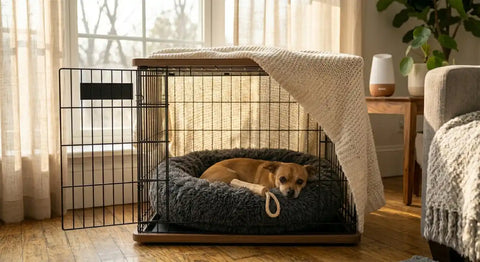
Due to their small size and deep attachment to their owners, Chihuahuas are prone to anxiety. This can manifest as separation anxiety when left alone, generalized anxiety (fear of loud noises, new environments), or stress-related behaviors like destructive chewing, excessive barking, or even self-harm (like excessive licking). Understanding chihuahua anxiety is crucial because it's often a root cause of what looks like chihuahua aggression. A dog that is overwhelmed with fear may react by snapping, as it sees no other way to create safety.
Signs of stress in Chihuahuas can be subtle: tucked tail, ears pinned back, lip licking, yawning when not tired, or a sudden change in appetite. Because they are so attuned to us, their anxiety is often a mirror of our own stress. Addressing anxiety requires a multi-faceted approach: creating a safe environment, using calming protocols, and implementing training that builds confidence. Never punish a scared dog; it only confirms their fear. Instead, your goal is to become their safe harbor and guide them through stressful situations.
Takeaway: Anxiety in Chihuahuas is a serious issue that requires empathy and a structured plan. Recognizing the signs is the first step to helping them feel safe.
Training Strategies for Chihuahua Anxiety and Stress
For separation anxiety, start by building independence. Practice "pretend" departures: pick up your keys, put on your coat, then sit back down. Gradually increase the time you're out of sight, always rewarding calm behavior upon your return. Never make a big deal out of departures or arrivals. This desensitization is a core part of chihuahua training for anxiety. For fear of noises or specific triggers, use counter-conditioning. Play a recording of the scary sound (like thunder) at a very low volume, one that doesn't cause a reaction, and pair it with high-value treats. Slowly increase the volume over days or weeks.
Create a "safe space" for your Chihuahua, like a crate with a comfy bed, where they can retreat and not be bothered. This shouldn't be used as a punishment but as their own den. Physical exercise and mental stimulation are powerful anti-anxiety tools. A tired dog is a less anxious dog. Finally, consider calming aids like pheromone diffusers (e.g., Adaptil) or anxiety wraps, which provide gentle, constant pressure and can be very soothing for some dogs. These strategies, part of a comprehensive approach to chihuahua behavior modification, can dramatically improve their quality of life.
Step-by-Step: Desensitization to a Stressful Trigger (e.g., Doorbell)
| Step | Action | Goal |
|---|---|---|
| 1. Identify Threshold | Find a distance/volume where your dog notices the sound but doesn't react fearfully. | Work "under threshold" to avoid panic. |
| 2. Pair with Reward | Play the quiet doorbell sound and immediately give a high-value treat. | Create a new, positive association with the trigger. |
| 3. Gradually Increase Intensity | Slowly increase volume or closeness over many sessions (days/weeks). | Change the dog's emotional response from fear to anticipation of a treat. |
| 4. Generalize | Practice with the real trigger (e.g., having a friend ring the bell) at a safe distance. | Transfer the positive association to real-life situations. |
Takeaway: Anxiety is managed with patience, gradual exposure, and positive associations. Building your dog's confidence is the long-term solution.
Bonding with Your Chihuahua
The Importance of Bonding with Your Chihuahua
For a breed so inherently focused on their human, the quality of the bond you share is the cornerstone of their entire well-being. A strong, positive bond is not just about affection; it's the foundation for all successful training and a happy, balanced life. How to bond with chihuahua is a question that underlies all the training we've discussed. A dog that trusts you completely is a dog that is eager to learn, willing to follow your lead, and resilient in the face of stress. This bond is built through consistent, positive interactions, clear communication, and respecting your dog as an individual.
When you have a strong bond, you don't need to rely on force or intimidation. Your Chihuahua wants to please you because you've proven yourself to be a reliable source of safety, fun, and rewards. This makes training feel like a collaborative game. This bond also serves as a protective factor against chihuahua behavior problems like aggression, as a secure dog is less likely to react out of fear or insecurity. The time and effort you invest in building this connection will pay dividends in every aspect of your life together.
Takeaway: A strong bond is the foundation of all good training. It transforms your relationship from one of compliance to one of joyful partnership.
Tips for Strengthening Your Bond with Your Chihuahua
Strengthening your bond is about being present and engaged. Dedicate time each day for one-on-one interaction that isn't about "training" but about connection. This could be a gentle massage (Chihuahuas often love being rubbed behind the ears or on their chest), a short, quiet walk where they can sniff and explore at their own pace, or a simple game of fetch with a soft toy. Use these moments to learn their language—their preferences, their quirks, what makes them happy. This deep understanding is what chihuahua affection is built upon.
Another powerful bonding activity is teaching new things. Using chihuahua clicker training to teach a new trick is not just mentally stimulating; it's a structured way to interact where success is guaranteed, and positive feedback is constant. It creates a powerful feedback loop of "I did something, my person clicked and gave me a treat, and we're both happy." Even five minutes of this a day can dramatically strengthen your connection. Finally, be your dog's advocate. Protect them from scary situations when you can, and be their calm, confident leader in the world. When they know you have their back, the bond of trust will deepen immeasurably.
Quick-Reference: Daily Bonding Activities
| Activity | Why It Helps | Time Commitment |
|---|---|---|
| Five-Minute Trick Training | Builds communication and mutual success. | 5 minutes |
| Sniffari Walk | Allows them to explore their world on their terms, building confidence with you as a safe anchor. | 10-15 minutes |
| Gentle Massage/Grooming | Creates a positive physical connection and helps with handling. | 5-10 minutes |
| Interactive Play (Fetch/Tug) | Fun, engaging, and reinforces that you are the source of good times. | 5-10 minutes |
Takeaway: Bonding is a daily practice of small, positive interactions. Be present, be playful, and be your dog's trusted partner.
Understanding the Numbers: Chihuahua Behavior Statistics
Data helps us move from anecdotal myths to factual understanding. Based on surveys and behavioral studies, we can see clear patterns in Chihuahua behavior that underscore the importance of proper training and socialization. For instance, studies show that over 60% of Chihuahuas who present with aggression issues were not properly socialized during their critical puppyhood window. Furthermore, behaviorists report that nearly 75% of cases of "small dog syndrome" are successfully resolved with consistent positive reinforcement training. Regarding potty training, 80% of owners who stick to a strict schedule and use positive reinforcement report success within the first few months. These numbers highlight that with the right approach, most chihuahua behavior problems are highly manageable.
Another compelling statistic is the correlation between anxiety and barking. Over 50% of owners who report excessive barking also report signs of separation anxiety or fear-based reactivity in their dogs. This reinforces the idea that barking is often a symptom, not the core problem. The good news is that methods like chihuahua clicker training and desensitization have a success rate of over 85% for addressing moderate fear-based behaviors when implemented correctly. These statistics empower owners to see that their training efforts are statistically likely to succeed, providing hope and a clear path forward.
5+ Safe Solutions for Common Chihuahua Challenges
When faced with behavioral challenges, having a toolkit of safe, effective alternatives is crucial. Here are five solutions to common issues:
- For Fear-Based Reactivity: Instead of forcing your dog to confront the trigger, use the "Look at That" (LAT) game. When they see a trigger (e.g., another dog), mark it with a "yes" and give a treat. This teaches them that seeing the scary thing predicts a treat, changing their emotional response.
- For Nuisance Barking: Instead of yelling, teach an incompatible behavior like "go to mat." When the doorbell rings, cue them to go to their mat. It's impossible for them to bark at the door from their mat if they are engaged in earning a reward for staying there.
- For Potty Training Struggles: If outdoors isn't working due to weather, consider chihuahua litter box training with a real-grass patch. This gives them a consistent, acceptable indoor option without the confusion of pee pads.
- For Resource Guarding: Instead of taking items away, teach "drop it" using the trade-up method. Offer a high-value treat for the item, then give the item back. This teaches them that you approaching their things leads to good things, not loss.
- For Separation Anxiety: Instead of long, stressful departures, practice "false starts." Put on your coat and shoes, then sit back down. Do this dozens of times a day until it becomes a non-event. This desensitizes them to your departure cues.
- For Boredom and Destructiveness: Replace destructive chewing with puzzle toys that dispense treats. This engages their chihuahua intelligence in a positive way, providing mental exercise that is just as tiring as physical exercise.
Gear Up for Success: Paw Vortex Recommendations
Equip yourself with the right tools to make training easier and more effective for you and your Chihuahua.
Comfort & Confidence
- Cotton Dog Jacket for Small Breeds – Keeps your Chihuahua warm and comfortable for confident outdoor training sessions.
Training Tools
- Pets Training Collection – Explore a curated selection of training essentials designed for positive reinforcement.
Key Takeaways for a Happier Chihuahua
- Myths Don't Define Reality: Chihuahua aggression is not a breed trait; it's a behavior born from fear, insecurity, or lack of socialization.
- Positive Reinforcement is Non-Negotiable: This breed thrives on kindness, clarity, and rewards. Harsh methods will erode trust and exacerbate issues.
- Socialization is Your Best Investment: Early and ongoing positive exposure to the world is the single most effective way to prevent fear-based problems.
- Consistency Creates Security: Whether it's potty training or managing barking, a predictable routine and consistent rules make your Chihuahua feel safe.
- Work With Their Intelligence: Chihuahuas are brilliant. Challenge them with new tricks and engaging games to prevent boredom and strengthen your bond.
- Manage Anxiety, Don't Punish It: Fear and anxiety are emotions, not disobedience. Address the root cause with patience, desensitization, and a safe environment.
- Build the Bond: The deepest training happens through connection. Spend quality time playing, cuddling, and learning about your unique dog.
More Paw Vortex Guides You'll Love
Explore these related articles for more expert pet care insights:
🐕 Chihuahua Care (Detailed Guides)
- Complete Chihuahua Care Guide (2026): Food, Training, Exercise, Health & Best Products
- Best Food for Chihuahuas: Nutrition Guide, Feeding Schedule & Weight Management
- Best Beds & Toys for Chihuahuas: Comfort & Enrichment Guide
- Chihuahua Anxiety & Shaking: Causes, Solutions & Calming Tips
- Chihuahua Cold Sensitivity: Winter Care Guide & Weather Protection
🐕 Training Guides for Other Dog Breeds
- Rottweiler Training & Guard Dog Behavior: Obedience, Protection & Control
- Dachshund Training Guide (2026): Managing Stubborn Behavior & Excessive Barking
- Cocker Spaniel Training Issues (2026): Improving Obedience & Preventing Problems
Looking for more? Browse all our pet care guides.

About Paw Vortex
Paw Vortex is your trusted partner in pet care, offering design-forward, expert-curated solutions for every stage of your pet's journey.
Why Choose Paw Vortex?
- Expert-Curated Selection: Every product is vetted by pet care specialists
- Premium Quality: We source only the best pet care solutions
- Pet Parent Focused: Designed with real-world use in mind
- Sustainable Options: Eco-friendly choices for conscious pet owners
Connect With Us:
Email: hello@pawvortex.com
Website: www.pawvortex.com
Follow: Facebook | Instagram | YouTube
Frequently Asked Questions About Chihuahua Training
Are Chihuahuas hard to train?
No, Chihuahuas are not inherently hard to train. They are highly intelligent but can be stubborn if they're not properly motivated. The key is using chihuahua positive reinforcement methods, such as clicker training and high-value rewards, to engage their minds. With consistency and patience, they can learn a wide array of commands and tricks.
How do I stop my Chihuahua's aggression?
First, determine the root cause, which is often fear, resource guarding, or pain. How to stop chihuahua aggression involves removing triggers when possible and using counter-conditioning to change their emotional response. Consult a professional positive reinforcement trainer or veterinary behaviorist for a tailored plan. Never use punishment, as it will likely increase fear and aggression.
What is the best way to socialize a Chihuahua?
The best chihuahua socialization guide starts early. Expose them to a variety of people, places, and calm, vaccinated dogs in a controlled, positive way. Ensure all interactions are voluntary and end with a treat and praise. The goal is to build positive associations, not to overwhelm them. Puppy classes are an excellent resource.
Why is my Chihuahua barking so much?
Chihuahuas bark for many reasons: alerting, boredom, fear, or excitement. Finding chihuahua barking solutions requires identifying the cause. For alert barking, teach a "quiet" cue. For boredom, increase mental and physical exercise. For fear, address the underlying anxiety with desensitization. Consistent training is key.
What are some good Chihuahua potty training tips?
Effective chihuahua potty training tips include: establishing a strict schedule, using a crate or playpen for supervision, rewarding successes immediately with high-value treats, and cleaning accidents with an enzymatic cleaner. For apartment dwellers, chihuahua litter box training is a fantastic alternative.
Does positive reinforcement work for Chihuahuas?
Yes, it is the most effective method. Chihuahua positive reinforcement methods build trust, which is essential for this sensitive breed. It turns training into a fun, cooperative game, motivating them to learn and work with you. Harsh corrections can damage your bond and increase behavioral issues.
Can Chihuahuas be trained for loyalty?
Chihuahuas are naturally loyal, but chihuahua loyalty training focuses on building a secure, confident bond. This involves being a consistent, positive leader, engaging in fun activities like teaching tricks, and ensuring they feel safe in the world. A well-bonded Chihuahua is a confident and happy partner.
How can I bond with my Chihuahua?
How to bond with chihuahua involves daily, positive interactions. Spend time playing, practicing short training sessions with rewards, offering gentle massages, and going on calm walks where they can sniff. Being their advocate and protecting them from scary situations also deepens their trust in you.
Disclaimer: This content is for informational and educational purposes only. It is not a substitute for professional veterinary advice, diagnosis, or treatment. Always seek the advice of a qualified veterinarian or certified animal behaviorist with any questions you may have regarding your pet's health or behavioral issues.


Chihuahua Socialization and Barking Solutions
The Importance of Socialization for Chihuahuas
Socialization is the process of exposing your Chihuahua to a wide variety of people, places, sights, sounds, and other animals in a positive, controlled way. The critical window for this is between 3 and 16 weeks of age, but it's a lifelong process. Proper chihuahua socialization is the single most effective thing you can do to prevent fear-based chihuahua aggression and anxiety later in life. A well-socialized Chihuahua learns that the world is a safe and interesting place, not something to be feared. They learn how to behave around strangers, understanding that new people are potential friends, not threats.
This process directly impacts chihuahua behavior around strangers. Instead of barking or cowering, a socialized dog will be curious or neutral. Start early by inviting calm, friendly people over to meet your puppy, allowing them to give treats. Introduce them to other calm, vaccinated dogs in a safe environment. Take them on car rides, to pet-friendly stores, and expose them to different surfaces like grass, concrete, and carpet. The goal isn't to force interaction, but to create positive associations. When considering their comfort during these excursions, a cozy coat like the Cotton Dog Jacket for Small Breeds – Cozy Teddy & Pomeranian Outfit can make them feel more secure in cooler weather.
Takeaway: Socialization is an investment in your Chihuahua's lifelong emotional well-being, turning potential fears into confident curiosity.
Effective Solutions for Chihuahua Barking
Barking is a natural form of communication for dogs, but Chihuahuas are often labeled as "yappy" because their small size means their barking can be more frequent and high-pitched. Understanding *why* they bark is the first step to finding chihuahua barking solutions. Common reasons include alert barking (someone at the door), boredom, fear, excitement, or attention-seeking. The key is to address the root cause, not just try to stop the noise. For alert barking, you can teach a "quiet" cue. When they bark, say "quiet" in a calm, neutral voice. As soon as they pause for even a second, click and reward. Gradually increase the duration of silence they need to maintain to earn the treat.
For boredom barking, increase mental and physical exercise. Teach chihuahua tricks or provide puzzle toys. For fear-based barking (like at strangers or other dogs), you must address the underlying fear through counter-conditioning and desensitization, which is best done with a professional. Never yell at a barking Chihuahua; they think you're joining in, which often makes the behavior worse. Consistency is vital. If you're addressing barking, everyone in the household must follow the same protocol. This is a core part of any chihuahua behavior modification plan.
Comparison: Types of Barking and Solutions
Takeaway: Manage barking by understanding its purpose and teaching an alternative, calmer behavior rather than just suppressing the sound.