

Have you ever wondered what unusual pets can I have beyond the typical cat or dog? You're not alone! Thousands of pet enthusiasts are discovering the joy of unusual pets you can own that bring unique personalities and fascinating behaviors into their homes. From adorable sugar gliders to exotic reptiles, exploring types of pets you can own reveals endless possibilities for those seeking something extraordinary.
Whether you're searching for weird pets you can own that are surprisingly legal or strange pets that people own as beloved companions, this comprehensive guide covers 30 of the coolest pets you can own today. We'll explore everything from care requirements and legal considerations to the best supplies you'll need from our pet accessories collection. Each unique pet comes with its own set of needs, and understanding what are animals people can keep as pets that are rare helps you make informed decisions about these extraordinary creatures.
Before diving into our list of the weirdest pets you can own, it's important to research local laws, understand the commitment required, and ensure you have the right pet beds, feeders, and care supplies. Let's explore these unique animals people adopt as pets and discover which might be perfect for your lifestyle!
The most unusual pets you can actually own include sugar gliders, axolotls, hedgehogs, fennec foxes, chinchillas, bearded dragons, ball pythons, ferrets, capybaras, and tarantulas. Most are legal in the majority of US states, though laws vary — always verify local regulations before acquiring any exotic pet.
Table of Contents
- Sugar Gliders - The Pocket-Sized Acrobats
- Hedgehogs - Adorable Spiny Companions
- Fennec Foxes - Desert Dwellers with Big Ears
- Capybaras - The Gentle Giants
- Axolotls - The Smiling Salamanders
- Bearded Dragons - Friendly Reptile Companions
- Chinchillas - Soft and Playful Rodents
- Ball Pythons - Docile Snake Pets
- Ferrets - Energetic and Mischievous
- Miniature Pigs - Intelligent Farm Friends
- Tarantulas - Low-Maintenance Exotic Pets
- Kinkajous - Rainforest Acrobats
- 18 More Unusual Pets You Can Actually Own
- Unusual Pet Ownership Statistics
- Essential Care Tips for Exotic Pets
- Final Thoughts
Sugar Gliders - The Pocket-Sized Acrobats

Sugar gliders are among the most bizarre pets you can own, and they're one of the coolest pets you can own for good reason. These tiny marsupials from Australia and Indonesia are incredibly social, forming strong bonds with their owners. With their large eyes and ability to glide through the air using a membrane between their legs, sugar gliders represent some of the cute animals you can own as pets that truly stand out from conventional choices.
Care Requirements
- Diet: Specialized diet including fruits, vegetables, and protein sources. Use a quality portable pet feeder for fresh food and water
- Housing: Large vertical cage with plenty of climbing space and a cozy pet bed for sleeping
- Social Needs: Require companionship - best kept in pairs or with daily human interaction
- Lifespan: 10-15 years with proper care
- Legal Status: Legal in most states, but check local regulations
Sugar gliders are nocturnal, making them perfect for people who are home in the evenings. They require dedication and patience, but their playful personalities make them rewarding unusual pets people actually own. These are definitely unique pets that are legal in many areas, though always verify your local exotic pet laws.
Hedgehogs - Adorable Spiny Companions
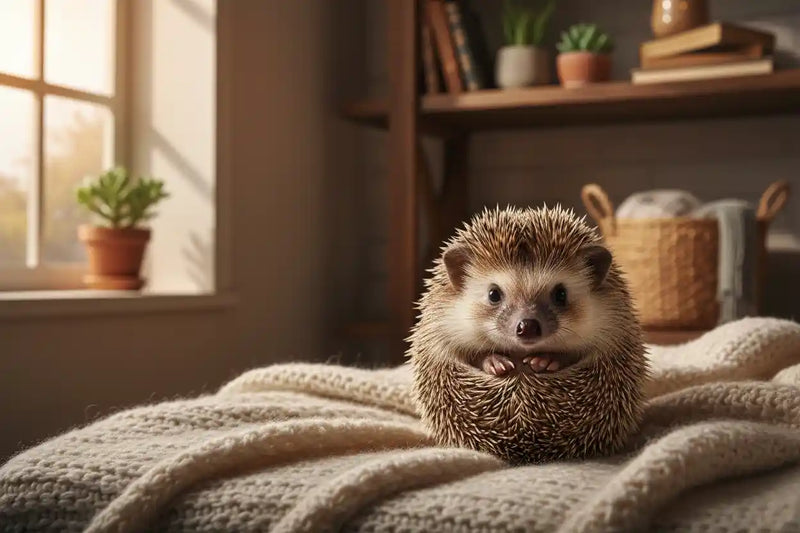
When people ask "what is a unique pet you can own," hedgehogs are often at the top of the list. These small, spiny mammals are surprisingly affectionate once they warm up to you, making them some of the funniest pets people can own due to their quirky behaviors. African Pygmy Hedgehogs are the most common species kept as pets, and they're among the cutest animals you can own as pets that don't require excessive space.
What Makes Hedgehogs Special
- Low Allergen: Great for people with pet allergies
- Quiet: Make minimal noise, perfect for apartments
- Independent: Don't require constant attention like some exotic pets
- Unique Personality: Each hedgehog has distinct quirks and behaviors
- Compact Size: Ideal for those seeking unique inside pets
Essential Supplies
Hedgehogs need a warm environment (72-80°F) and a comfortable habitat. Provide a soft portable pet bed for sleeping, quality grooming tools for nail trimming, and appropriate feeding dishes. They're insectivores, so their diet consists of high-quality cat food supplemented with insects.
With a lifespan of 4-6 years, hedgehogs are a manageable commitment for those seeking weird pets you can own that don't require decades of care. They're among the unique pets that are legal in a home setting in most states.
Fennec Foxes - Desert Dwellers with Big Ears
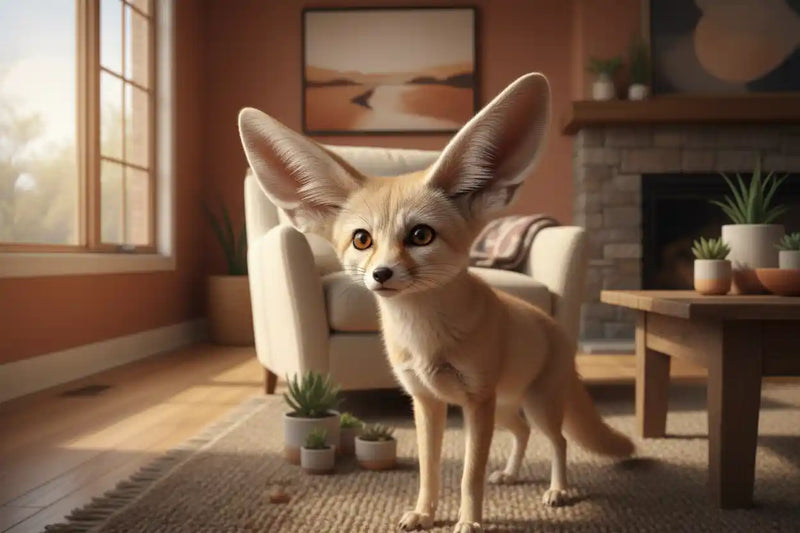
Fennec foxes are undoubtedly some of the craziest pets you can own, yet they're legal in several states. These tiny foxes from the Sahara Desert are known for their enormous ears (which help dissipate heat) and playful, dog-like personalities. They're among the rare cool pets to own that truly stand out as conversation starters and represent unique animals that can be kept as pets with proper permits.
Living with a Fennec Fox
- Energy Level: Extremely high - need plenty of exercise and mental stimulation
- Vocalization: Can be noisy with barks, whines, and chattering sounds
- Training: Can be litter trained but require patience and consistency
- Space Requirements: Need secure outdoor space or large indoor enclosure
- Diet: Omnivorous - mix of dog food, vegetables, and occasional insects
Important Considerations
Fennec foxes are not domesticated animals, so they retain wild instincts. They're escape artists and diggers, requiring fox-proof enclosures. Provide enrichment toys from our dog toys collection and ensure they have a secure carrier for vet visits. With a 10-14 year lifespan, they're a long-term commitment. These are definitely unusual pets that people own who are prepared for the challenge.
Capybaras - The Gentle Giants
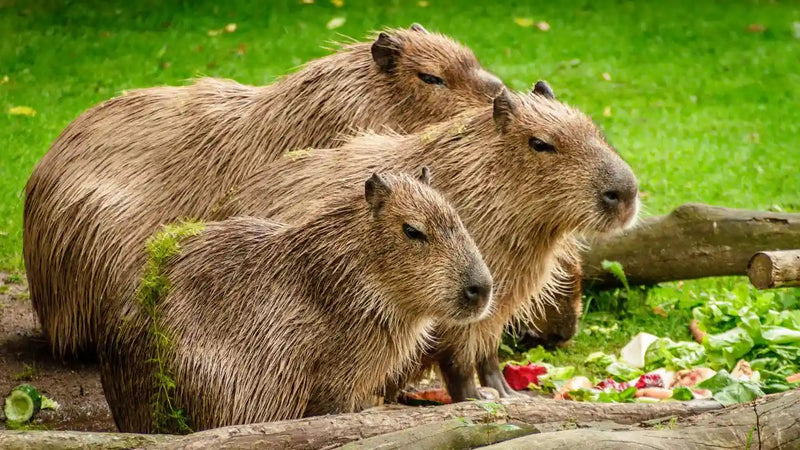
Capybaras are the world's largest rodents and surprisingly one of the weirdest pets you can own legally in some states. Native to South America, these semi-aquatic mammals are incredibly social and gentle, often described as "nature's ottoman" due to their calm demeanor. They're definitely among the large weird pets we can have that make unforgettable companions and represent some of the cool and unusual pets gaining popularity.
Why Capybaras Are Unique
- Size: Can weigh 77-146 pounds - need substantial space
- Social Nature: Extremely friendly with humans and other animals
- Water Requirement: Must have access to a pool or pond for swimming
- Herd Animals: Best kept in pairs or groups for mental health
- Lifespan: 8-10 years in captivity
Care Essentials
Capybaras require a large outdoor enclosure with water access, grass for grazing, and shelter from extreme weather. They're herbivores eating hay, grass, and vegetables. Use heavy-duty elevated feeders for their meals and ensure they have proper grooming supplies for their coarse fur. These unusual pets to have need veterinary care from exotic animal specialists and represent a significant commitment.
Axolotls - The Smiling Salamanders

Axolotls are aquatic salamanders from Mexico that have captured hearts worldwide with their permanent "smile" and feathery external gills. These unique animals that can be kept as pets are critically endangered in the wild but thrive in captivity, making them one of the coolest pets you can own for aquarium enthusiasts. They're perfect examples of what unique animal can keep as pets in smaller living spaces.
Fascinating Axolotl Facts
- Regeneration: Can regrow limbs, organs, and even parts of their brain
- Neoteny: Remain in larval form their entire lives
- Color Varieties: Available in wild-type, leucistic, golden, and melanoid morphs
- Low Maintenance: Easier to care for than many fish species
- Lifespan: 10-15 years with proper care
Aquarium Setup
Axolotls need a 20-gallon minimum tank with cool water (60-64°F), gentle filtration, and hiding spots. They're carnivorous, eating worms, small fish, and specialized pellets. Keep their tank clean with regular maintenance and use appropriate pet cleaning supplies. These unique inside pets are perfect for those who want something different without the space requirements of larger exotic animals. They're among the unique pets to own that are relatively low-maintenance.
Bearded Dragons - Friendly Reptile Companions
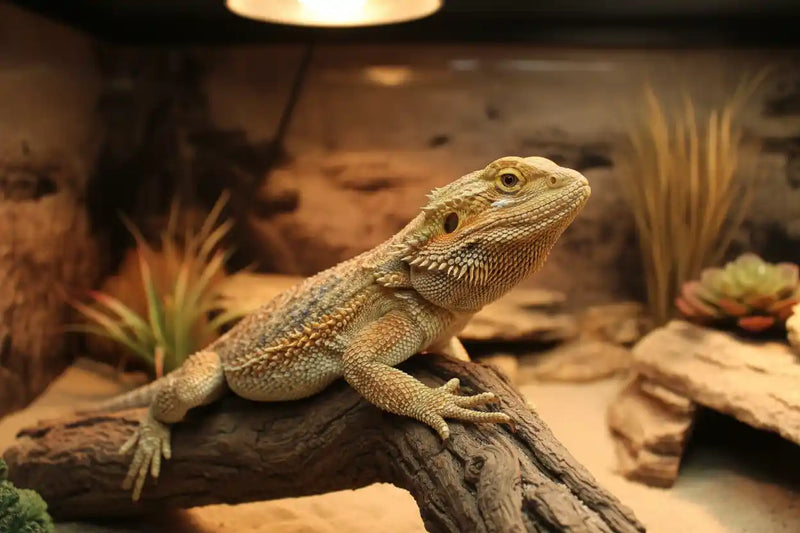
Bearded dragons are among the unique pets you can own that are perfect for reptile beginners. These Australian lizards are known for their docile temperament and distinctive "beard" that puffs out when they're excited or threatened. They're some of the strange pets that people own who want a low-allergen, interactive companion.
Why Bearded Dragons Make Great Pets
- Temperament: Calm, friendly, and enjoy human interaction
- Size: Grow to 16-24 inches, manageable for most homes
- Diurnal: Active during the day, matching human schedules
- Hardy: Relatively easy to care for compared to other reptiles
- Lifespan: 10-15 years with proper care
Habitat and Care
Bearded dragons need a 40-75 gallon terrarium with proper UVB lighting, heat lamps, and temperature gradients (75-105°F). They're omnivores eating insects, vegetables, and fruits. Provide climbing branches, hiding spots, and a shallow water dish. Use quality cleaning supplies to maintain their habitat. These unusual pets to own are legal in most states and make excellent first exotic pets.
Chinchillas - Soft and Playful Rodents

Chinchillas are rodents from South America with incredibly soft, dense fur that makes them one of the cute animals you can own as pets. They're active, playful, and can live 15-20 years, making them a long-term commitment. These are unique animals people adopt as pets who want something more interactive than traditional small pets.
Chinchilla Characteristics
- Fur: Softest fur of any land animal - 60 hairs per follicle
- Activity: Crepuscular (most active at dawn and dusk)
- Social: Can be kept in same-sex pairs or groups
- Dust Baths: Require special volcanic dust for grooming
- Temperature Sensitive: Need cool environments (60-70°F)
Housing and Diet
Chinchillas need multi-level cages with platforms, hiding spots, and chew toys. They're herbivores eating timothy hay, pellets, and occasional treats. Provide a comfortable resting area and appropriate grooming tools. These weird pets you can own are legal in most areas and make wonderful companions for patient owners.
Ball Pythons - Docile Snake Pets

Ball pythons are among the weirdest pets you can own for those who aren't squeamish about snakes. These non-venomous constrictors from Africa are known for their docile nature and beautiful patterns. They're some of the unique pets to own that require minimal daily care once their habitat is properly set up, making them ideal for busy pet owners.
Why Ball Pythons Are Popular
- Temperament: Calm, rarely bite, and tolerate handling well
- Size: Grow to 3-5 feet, manageable for most keepers
- Morphs: Hundreds of color and pattern variations available
- Low Maintenance: Eat once every 1-2 weeks
- Lifespan: 20-30 years with proper care
- Quiet: Perfect for apartments and shared living spaces
Terrarium Setup and Care
Ball pythons need a 40-gallon terrarium minimum with proper heating (88-92°F warm side, 78-80°F cool side), humidity control (50-60%), and hiding spots. They eat frozen-thawed rodents and require fresh water. Use quality pet cleaning supplies for regular habitat maintenance. These unusual pets people actually own are legal in most states and represent one of the best entry points into reptile keeping.
Ferrets - Energetic and Mischievous
Ferrets are playful, curious carnivores that have become increasingly popular as unusual pets that people own. These elongated members of the weasel family are known for their boundless energy, intelligence, and mischievous personalities. They're among the funniest pets people can own due to their playful antics and "war dance" behavior.
Ferret Personality Traits
- Energy: Extremely playful and active for 4-6 hours daily
- Social: Thrive in pairs or groups, bond strongly with owners
- Intelligence: Can be litter trained and learn tricks
- Curiosity: Will explore every nook and cranny in your home
- Sleep: Sleep 14-18 hours per day
- Lifespan: 6-10 years
Housing and Supplies
Ferrets need a multi-level cage with hammocks, tunnels, and toys when not supervised. They require a high-protein carnivore diet and plenty of playtime outside their cage. Provide comfortable bedding, grooming tools for nail trimming, and secure carriers for vet visits. These unique pets that are legal in most states make wonderful companions but are illegal in California and Hawaii.
Miniature Pigs - Intelligent Farm Friends
Miniature pigs (also called teacup or micro pigs) are among the craziest pets you can own that are surprisingly intelligent and affectionate. These smaller pig breeds can weigh 50-150 pounds when fully grown (not the 10-20 pounds often advertised). They're some of the rare cool pets to own that can be house-trained and learn tricks like dogs.
Mini Pig Facts
- Intelligence: Smarter than dogs, can learn complex commands
- Social: Form strong bonds with family members
- Trainable: Can be litter box trained and leash trained
- Vocal: Communicate through various grunts and squeals
- Lifespan: 12-20 years
- Size Reality: Most grow to 50-150 lbs, not "teacup" size
Care Requirements
Mini pigs need indoor and outdoor space, a balanced diet (not just pig feed), and regular hoof trimming. They're omnivores but require controlled portions to prevent obesity. Provide sturdy feeding bowls, comfortable bedding areas, and enrichment toys. These unusual pets to have require zoning approval in many areas and are considered livestock in some jurisdictions.
Tarantulas - Low-Maintenance Exotic Pets
Tarantulas are among the weirdest animal you can legally own as a pet, yet they're surprisingly low-maintenance and fascinating to observe. These large spiders come in hundreds of species with varying colors, sizes, and temperaments. They're perfect examples of what unusual pets can I have in small living spaces with minimal time commitment.
Why Choose a Tarantula
- Low Maintenance: Feed once a week, minimal cleaning required
- Space Efficient: Need only a small terrarium (5-10 gallons)
- Quiet: Completely silent pets
- Long-Lived: Females can live 20-30 years
- Variety: Hundreds of species with different colors and behaviors
- Cost-Effective: Inexpensive to feed and house
Tarantula Care Basics
Tarantulas need a secure terrarium with appropriate substrate, a water dish, and a hiding spot. They eat crickets, roaches, or other insects. Temperature and humidity requirements vary by species. These unique inside pets are legal in most areas and make excellent pets for those seeking types of pets you can own that are truly unique and require minimal daily interaction.
Kinkajous - Rainforest Acrobats
Kinkajous are rainforest mammals from Central and South America that are among the most bizarre pets you can own. Also called "honey bears," these nocturnal creatures have prehensile tails and long tongues for extracting nectar from flowers. They're some of the rare cool pets to own that require experienced exotic pet owners.
Kinkajou Characteristics
- Size: 3-10 pounds, 16-30 inches long plus tail
- Nocturnal: Active at night, sleep during the day
- Arboreal: Need vertical space for climbing
- Social: Bond with owners but can be unpredictable
- Lifespan: 20-25 years in captivity
- Legal Status: Require permits in most states
Special Care Needs
Kinkajous need large enclosures with climbing structures, warm temperatures (75-85°F), and a diet of fruits, nectar, and occasional protein. They can be destructive and require extensive socialization. These unusual pets people actually own are not recommended for first-time exotic pet owners and need specialized veterinary care.
18 More Unusual Pets You Can Actually Own
Beyond our featured pets, there are many more unique pets you can own depending on your location, experience level, and commitment. Here's a comprehensive list of additional cool and unusual pets that people successfully keep:
Small Mammals
- Degus: Social rodents from Chile, similar to chinchillas but diurnal
- Flying Squirrels: Nocturnal gliders that bond closely with owners
- Skunks (Descented): Playful and affectionate when raised from babies
- Wallabies: Small marsupials that need outdoor space, legal in some states
Reptiles and Amphibians
- Leopard Geckos: Hardy, colorful lizards perfect for beginners
- Blue-Tongued Skinks: Docile lizards with distinctive blue tongues
- Corn Snakes: Colorful, easy-to-care-for snakes
- Red-Eared Sliders: Popular aquatic turtles (require large tanks)
- Pacman Frogs: Low-maintenance frogs with huge appetites
Birds
- Cockatiels: Friendly, whistling parrots perfect for beginners
- Conures: Colorful, playful parrots with big personalities
- Quail: Small ground birds that can be kept indoors or outdoors
- Doves: Gentle, cooing birds that are easy to care for
Aquatic and Invertebrates
- Hermit Crabs: Social crustaceans that are fun to watch
- Stick Insects: Low-maintenance, fascinating to observe
- Praying Mantis: Predatory insects with unique behaviors
- Scorpions: Hardy arachnids for experienced keepers
- Octopus: Highly intelligent but require advanced aquarium skills
Each of these unique animals that can be kept as pets has specific care requirements, legal considerations, and commitment levels. Always research thoroughly and ensure you can provide proper care before acquiring any unusual pets to own. Check out our pet accessories and grooming supplies for essential care items.
Unusual Pet Ownership Statistics
Understanding the landscape of exotic pet ownership helps contextualize the growing trend of unique animals people adopt as pets:
- 13 million households in the United States own exotic pets (American Pet Products Association)
- Reptiles are kept by 5.7% of U.S. households, making them the most popular exotic pet category
- Small mammals (rabbits, ferrets, hamsters) are owned by approximately 6.7 million households
- Birds are kept by 5.7 million U.S. households, with parrots being the most popular exotic bird
- Exotic pet ownership has grown 25% over the past decade as people seek unique pets to own
- Millennials and Gen Z account for 60% of new exotic pet owners, driving demand for unusual pets you can own
- Average lifespan commitment: Exotic pets often live 10-30 years, requiring long-term dedication
- Veterinary costs: Exotic pet care can cost 2-3x more than traditional pets due to specialist requirements
Most Popular Exotic Pet Categories
- Reptiles (42%): Bearded dragons, ball pythons, leopard geckos lead the category
- Small Mammals (28%): Ferrets, hedgehogs, chinchillas are most common
- Birds (18%): Cockatiels, parakeets, and conures dominate
- Amphibians (8%): Axolotls and tree frogs are trending
- Invertebrates (4%): Tarantulas and hermit crabs are growing in popularity
These statistics show that strange pets that people own are becoming mainstream, with proper education and resources making exotic pet ownership more accessible than ever.
Essential Care Tips for Exotic Pets
Successfully keeping unusual pets people actually own requires understanding their unique needs. Here are comprehensive care guidelines for exotic pet owners:
1. Research Before You Commit
Before acquiring any unique pet, thoroughly research their specific needs, legal requirements, and long-term commitment. Consider:
- Adult size and space requirements
- Lifespan and long-term care costs
- Dietary needs and food availability
- Local laws and permit requirements
- Availability of exotic veterinarians in your area
- Compatibility with your lifestyle and schedule
2. Create Proper Habitat
Each exotic pet needs species-appropriate housing with correct temperature, humidity, and enrichment. Essential supplies include:
- Appropriately sized enclosure or cage from our carriers and crates collection
- Temperature and humidity control equipment
- Comfortable bedding and resting areas
- Hiding spots and enrichment items
- Proper lighting (UVB for reptiles, natural light cycles for others)
3. Provide Species-Appropriate Diet
Nutrition is critical for exotic pets. Many weird pets you can own have specialized dietary needs:
- Use quality feeding bowls and dispensers appropriate for your pet's size
- Source species-specific foods (insects, specialized pellets, fresh produce)
- Provide fresh water daily in clean containers
- Supplement diets as recommended by exotic veterinarians
- Avoid human foods that may be toxic to your specific pet
4. Maintain Health and Hygiene
Regular maintenance keeps your unusual pets to own healthy and happy:
- Clean enclosures weekly with appropriate pet-safe cleaning supplies
- Perform regular health checks for signs of illness
- Maintain proper grooming routines (nail trimming, fur brushing, etc.)
- Schedule annual exotic vet checkups
- Quarantine new pets before introducing to existing animals
5. Provide Mental Stimulation
Many exotic pets are intelligent and need enrichment:
- Rotate toys and enrichment items from our pet toys collection
- Provide species-appropriate social interaction
- Create foraging opportunities for natural behaviors
- Offer climbing, digging, or swimming opportunities as appropriate
- Spend quality time bonding with social species
6. Plan for Emergencies
Responsible exotic pet ownership includes emergency preparedness:
- Locate exotic veterinarians before emergencies occur
- Keep emergency contact numbers readily available
- Maintain a first aid kit for your specific pet type
- Have backup heating/cooling systems for temperature-sensitive pets
- Create evacuation plans that include your exotic pets
- Consider pet insurance for exotic animals
7. Understand Legal Requirements
Laws regarding unique pets that are legal vary significantly:
- Check federal, state, and local regulations before acquiring any exotic pet
- Obtain necessary permits and licenses
- Ensure your pet is captive-bred, not wild-caught
- Keep documentation of legal acquisition
- Stay informed about changing exotic pet laws
- Never release exotic pets into the wild
Essential Products for Exotic Pet Care
Feeding & Nutrition
- DuoDine Elevated Pet Feeder - Perfect for small exotic mammals
- Portable Pet Water Bottle & Food Dispenser - Ideal for travel and outdoor enclosures
- 6-Meal Smart Pet Feeder - Automated feeding for busy exotic pet owners
Comfort & Housing
- Fold & Snuggle Portable Pet Bed - Cozy resting spot for small mammals
- Natural Weave Pet Bed - Breathable comfort for rabbits, ferrets, and more
- Breathable Pet Carrier Bag - Safe transport for vet visits
- Voyager Capsule Pet Carrier - Premium carrier for exotic pets
Grooming & Hygiene
- Professional Pet Grooming Scissors Set - Essential for fur trimming
- Self-Cleaning Pet Hair Comb - Easy grooming for long-haired exotics
- LED Pet Nail Clipper Set - Safe nail trimming with visibility
- Grooming & Bathing Bag - Stress-free grooming for small animals
Enrichment & Play
- Sisal Coconut Tree Scratching Post - Climbing enrichment for small mammals
- Puzzle Sniffing Toy - Mental stimulation for intelligent pets
- Vertical Scratching Post - Exercise and play for active exotics
Explore our complete pet accessories collection for more exotic pet supplies!
Final Thoughts on Unusual Pets You Can Own
The world of unusual pets you can own is vast and exciting, offering opportunities to connect with extraordinary animals that bring unique joy to our lives. Whether you're drawn to the coolest pets you can own like fennec foxes and sugar gliders, or prefer the low-maintenance appeal of weird pets you can own like tarantulas and ball pythons, there's an exotic companion perfect for every lifestyle and experience level.
As we've explored these 30 unique animals people adopt as pets, it's clear that exotic pet ownership requires dedication, research, and commitment. These strange pets that people own aren't just novelties—they're living beings with complex needs that deserve proper care, appropriate habitats, and knowledgeable owners. Before bringing home any of these unusual pets people actually own, ensure you understand the legal requirements, long-term costs, and daily care commitments involved.
The growing trend of unique pets to own reflects our desire to connect with nature in meaningful ways. From the cutest animals you can own as pets like hedgehogs and chinchillas to the most bizarre pets you can own like capybaras and kinkajous, each species offers distinct rewards and challenges. Success in exotic pet ownership comes from matching the right pet to your lifestyle, resources, and commitment level.
Key Takeaways
- Research thoroughly before acquiring any exotic pet—understand their adult size, lifespan, and care requirements
- Check local laws to ensure your chosen pet is legal in your area and obtain necessary permits
- Find an exotic veterinarian before bringing your pet home—not all vets treat exotic animals
- Budget appropriately for specialized food, housing, veterinary care, and supplies from our pet accessories collection
- Commit long-term—many exotic pets live 10-30 years and require consistent care
- Provide proper enrichment with toys, social interaction, and species-appropriate activities
- Never release exotic pets into the wild—they can become invasive species or won't survive
- Support ethical breeders and avoid wild-caught animals whenever possible
- Prepare for emergencies with backup plans for heating, cooling, and care during travel
- Join communities of exotic pet owners for support, advice, and shared experiences
Whether you're considering unique pets that are legal in your area or simply curious about what unusual pets can I have, remember that responsible ownership is paramount. These rare cool pets to own depend on us to provide everything they need to thrive. With proper preparation, the right supplies from grooming to feeding equipment, and genuine commitment, owning one of these weirdest pets you can own can be an incredibly rewarding experience.
Ready to start your exotic pet journey? Explore our comprehensive collections of pet beds, carriers, and cleaning supplies to ensure your unique companion has everything needed for a happy, healthy life!
Related Articles You'll Love
- Pet First Aid & Emergency Guide - Essential Safety Tips
- Pet Proofing Your Home - Toxic Items to Avoid
- Professional Pet Grooming Care at Home - Expert Guide
- Complete Home Setup Guide - Creating the Perfect Pet Space
- Dog Breeding Guide - Responsible Breeding Practices
- How to Transition Your Pet to a Raw Diet - Safe Step-by-Step Guide
- Pre‑Holiday Pet Prep: Travel Gear
Frequently Asked Questions About Unusual Pets
What are the easiest unusual pets to own?
The easiest unusual pets to own for beginners include leopard geckos, bearded dragons, hedgehogs, and ball pythons. These pets are relatively low-maintenance, have manageable care requirements, and are generally docile. Leopard geckos only need feeding 2-3 times per week, while hedgehogs are quiet and don't require constant attention. Ball pythons eat just once every 1-2 weeks and are very calm. All of these unique pets are legal in most states and have established care guidelines, making them perfect starter exotic pets.
What unusual pets are legal in most states?
The most widely legal unusual pets you can own across the United States include hedgehogs (illegal in CA, GA, HI, PA), sugar gliders (illegal in AK, CA, HI), bearded dragons, ball pythons, leopard geckos, chinchillas, and ferrets (illegal in CA, HI). Most reptiles and small rodents are legal in the majority of states. However, laws vary significantly by state and even by county, so always check your local exotic pet regulations before acquiring any unique pets that are legal in your specific area. Some states require permits even for commonly kept exotic pets.
What are the most low-maintenance exotic pets?
The most low-maintenance weird pets you can own include tarantulas, ball pythons, leopard geckos, hermit crabs, and stick insects. Tarantulas only need feeding once a week and minimal habitat cleaning. Ball pythons eat every 1-2 weeks and require simple temperature control. Leopard geckos are hardy and forgiving of minor care mistakes. These unique inside pets don't require daily interaction, making them perfect for busy individuals. However, "low-maintenance" doesn't mean "no maintenance"—all pets need proper care, appropriate supplies from our accessories collection, and regular health monitoring.
How much do unusual pets typically cost?
The cost of unusual pets people actually own varies widely. Initial purchase prices range from $20-50 for leopard geckos to $2,000-8,000 for fennec foxes or capybaras. However, setup costs often exceed the pet's price—expect $200-500 for basic reptile setups, $300-800 for small mammal habitats, and $1,000+ for large exotic enclosures. Ongoing costs include food ($20-100/month), veterinary care ($100-500/year for checkups, more for emergencies), supplies, and utilities. Exotic vet visits typically cost 2-3x more than regular vet visits. Budget for quality feeders, bedding, and grooming tools as well.
Can unusual pets be kept in apartments?
Yes, many unique pets you can own are perfect for apartment living! Ideal apartment exotic pets include hedgehogs, leopard geckos, ball pythons, tarantulas, hermit crabs, small birds like cockatiels, and aquatic pets like axolotls. These unique inside pets don't require outdoor space, are relatively quiet, and have manageable space requirements. However, always check your lease agreement—many apartments have exotic pet restrictions. Avoid noisy pets like fennec foxes or large animals like capybaras in apartments. Focus on species that thrive in controlled indoor environments and won't disturb neighbors.
What unusual pets are good for kids?
The best cute animals you can own as pets for families with children include bearded dragons, leopard geckos, corn snakes, hedgehogs (with supervision), and chinchillas. Bearded dragons are docile and tolerate handling well, making them excellent for teaching responsibility. Leopard geckos are hardy and forgiving of beginner mistakes. However, children should always be supervised with exotic pets, and parents must be prepared to take over care responsibilities. Avoid delicate species like sugar gliders or potentially defensive pets like tarantulas for young children. These unusual pets to own can teach kids about biodiversity and responsibility when properly managed.
Do unusual pets need special veterinary care?
Yes, strange pets that people own require specialized exotic animal veterinarians. Regular vets often don't have training in exotic pet medicine. Exotic vets can diagnose species-specific health issues, perform proper examinations, and provide appropriate treatments. Before acquiring any unusual pets you can own, locate an exotic vet in your area—some regions have limited access. Exotic vet visits typically cost more than regular vet appointments ($75-200 for checkups vs. $50-100). Annual checkups are essential for early disease detection. Emergency exotic vet care can be very expensive, so consider pet insurance for exotic animals or maintain an emergency fund.
What's the lifespan of most unusual pets?
Lifespans of weirdest pets you can own vary dramatically by species. Short-lived options (2-5 years) include hamsters, mice, and some invertebrates. Medium-lived pets (5-15 years) include hedgehogs (4-6 years), ferrets (6-10 years), bearded dragons (10-15 years), and sugar gliders (10-15 years). Long-lived exotic pets (15+ years) include ball pythons (20-30 years), chinchillas (15-20 years), parrots (20-80+ years depending on species), and some tortoises (50-100+ years). Female tarantulas can live 20-30 years! Understanding lifespan is crucial when choosing unique pets to own—ensure you can commit for the animal's entire life.

About Paw Vortex
At Paw Vortex, we're passionate about providing premium pet products for all types of companions—from traditional cats and dogs to the most unusual pets you can own. Our mission is to enhance the lives of pets and their owners through quality products, expert guidance, and exceptional customer service.
Why Choose Paw Vortex?
- Curated Selection: Hand-picked products suitable for exotic and traditional pets alike
- Quality Assurance: Every product meets our high standards for safety, durability, and functionality
- Expert Resources: Comprehensive guides and articles to help you care for your unique pets
- Fast Shipping: Quick delivery so your pet gets what they need when they need it
- Customer Support: Knowledgeable team ready to help with product selection and pet care questions
- Competitive Pricing: Premium products at fair prices with regular deals and bundles
Connect With Us
Whether you're caring for cool and unusual pets or traditional companions, Paw Vortex is your trusted partner in pet care excellence.
Disclaimer: This article provides general information about unusual and exotic pets. Always research specific care requirements for your chosen species, consult with exotic animal veterinarians, and verify local laws and regulations before acquiring any exotic pet. Paw Vortex is not responsible for any decisions made based on this information. Individual pet needs may vary, and professional veterinary advice should always be sought for health concerns.


