

Top 20 Rarest Pets: 10 Wild Species You Shouldn't Own
These animals are the rarest of the rare. Furthermore, they are so at risk and so well protected that owning them is not just against the law—it is simply wrong. They are a clear warning that some animals belong only in the wild or in expert-led care programs.
1. Ploughshare Tortoise - Rarest Tortoise on Earth

Status: In great danger (fewer than 500 adults left in the wild) – IUCN Red List
Why it is so rare: It is found only in Madagascar. Sadly, it is often stolen for the black market pet trade.
Cost: $50,000+ on the black market
Legality: ILLEGAL worldwide. Having one is a federal crime.
Why you should not own one: Every single tortoise is vital for the species to survive. Moreover, breeding programs only exist in approved zoos and protected areas.
2. Spix's Macaw - The "Extinct in Wild" Parrot

Status: Extinct in the wild since 2000
Why it is so rare: Losing its home and the illegal pet trade caused this.
Current population: ~180 birds left in breeding programs
Legality: ILLEGAL for private owners worldwide
Famous for: Being the real-life star of the movie "Rio."
3. Kakapo Parrot - World's Rarest Parrot
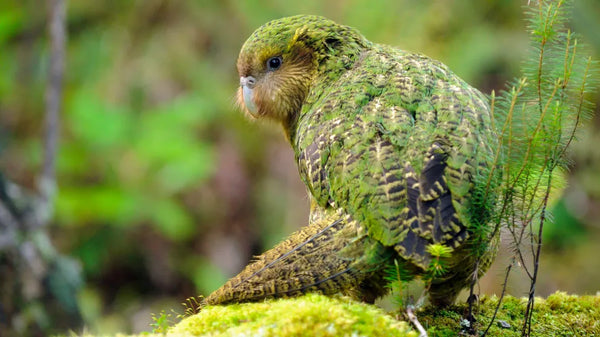
Status: In great danger (~250 birds left)
Why it is so rare: This flightless, night-loving New Zealand parrot was almost wiped out by new predators brought to the island.
Legality: ILLEGAL - the New Zealand government watches every single one.
Unique traits: It is the heaviest parrot in the world, smells like honey, and can live past 90 years old.
4. Saola - "Asian Unicorn"
Status: In great danger (maybe fewer than 100 left)
Why it is so rare: It was only found in 1992. In fact, it is so shy that even scientists hardly ever see it.
Saola pet: IMPOSSIBLE - none live in captivity. Every attempt has failed.
Why it is called a unicorn: Because it is extremely rare, mysterious, and almost like a myth.
5. Vaquita - World's Rarest Marine Mammal

Status: In great danger (~18 individuals left) – IUCN Red List
Vaquita as a pet: IMPOSSIBLE - this tiny porpoise lives only in the Gulf of California.
Why it is almost gone: It gets caught in nets used for illegal fishing.
6. Pangolin - Most Trafficked Mammal
Status: All 8 types are threatened or in danger
Pangolin pet: ILLEGAL worldwide under CITES rules.
Why it is trafficked: People want its scales for old-style medicines, and its meat is seen as a rare food.
Unique traits: It is the only mammal with keratin scales. As a result, it rolls into a ball when scared.
7. Aye-Aye - Madagascar's Strangest Primate

Status: At risk
Aye-Aye pet: ILLEGAL - it is a protected species with very special needs.
Why it is so odd: It has a long, thin middle finger to pull out bugs, and its front teeth keep growing forever.
Superstition: In Madagascar, people think it brings bad luck, so they often kill it on sight.
8. Fossa - Madagascar's Top Predator
Status: Vulnerable
Fossa pet: ILLEGAL and very dangerous.
Unique traits: It looks like a cat but is related to a mongoose. Besides that, it is found only in Madagascar.
9. Philippine Eagle - World's Largest Eagle
Status: In great danger (~400 pairs)
Philippine Eagle ownership: ILLEGAL - it is the national bird of the Philippines.
Why it is so rare: Due to deforestation. Each pair needs 25-50 square miles of forest to live.
10. Hainan Gibbon - Rarest Primate
Status: In great danger (~30 individuals)
Legality: ILLEGAL - found only on Hainan Island in China.
Why it is almost gone: Losing its home left it with only a small patch of forest.
Table of Contents
Before you dive deeper, use this quick tour to navigate the rest of the guide.
- What Makes a Pet "Rare"?
- Top 20 Rarest Pets: 10 Wild Species You Shouldn't Own
- Exotic Animals You've Never Heard Of
- Rare Mammal Pets
- Rare Reptiles & Amphibians
- Legal Rules for 2026
- Health & Safety Issues
- Care Needs
- Safe Alternatives to Exotic Pets
- Frequently Asked Questions
What Makes a Pet "Rare"?
Direct answer: A pet is rare when its wild population is critically low, it is illegal to own, it is nearly impossible to breed in captivity, or its care requirements are so extreme that almost nobody can meet them – often a combination of these factors.
To start with, knowing why some pets are rare helps you understand the exotic pet world. Rarity is not just about the price tag. In fact, it comes from a mix of living, legal, and money factors that put these animals out of reach for most people.
Factors That Make a Pet Rare
- At risk in the wild: Limited numbers in nature make owning them both against the law and not right.
- Strict laws: International and local rules ban the trade of protected species.
- Hard to breed in captivity: Some animals simply will not have babies when kept by people.
- Hard to find locations: These animals live only in faraway, hard-to-reach places.
- Very high costs: The price of buying them, plus special homes and vet visits, is huge.
- Special needs: Their diets and living spaces are almost impossible to copy at home.
- Illegal smuggling: This is the dark side of getting a rare pet.
The Dark Side: Problems with the Exotic Pet Trade
Sadly, the hunt for the world's rarest pets has very harmful results. These go far beyond just the animals themselves:
- It pushes at-risk species closer to dying out forever.
- It feeds a huge, illegal wildlife smuggling business worth billions of dollars.
- It causes terrible suffering for animals when they are caught and moved.
- It can pass sicknesses from wild animals to people.
- It harms delicate natural balances and food chains.
Protecting rare animals should always come before owning them. Therefore, before you think about getting an exotic pet, ask yourself: Is my wish for a unique friend worth adding to these issues?
Exotic Animals You've Never Heard Of (That Some People Actually Own)
Now, let's look at animals that live in a gray area. These creatures are sometimes kept by very devoted fans. However, they come with huge challenges. To be clear, these are not suggestions. Instead, think of them as learning profiles that show what exotic pet care really means.
1. Axolotl - The Smiling Salamander

Status: In great danger in the wild (Lake Xochimilco, Mexico), but common in captivity.
Legality: Legal in most US states (but illegal in CA, ME, NJ, VA, DC).
Why it is unique: It keeps its baby features for life. Furthermore, it can regrow its legs, brain, heart, and spinal cord.
Care needs:
- A 20-gallon fish tank at least for one adult.
- Cool water (60-64°F). Therefore, you may need a chiller in warm places.
- A meat-based diet (bloodworms, earthworms, special pellets).
- Lifespan: 10-15 years with good care.
- No small rocks on the bottom that it might swallow.
Cost: $20-$70 for common colors, $100+ for rare types.
Best for: Experienced fish keepers who are okay with cold water systems.
🐠 Aquarium Setup Essentials:
- Smart Water Dispenser - Keeps water quality steady.
- Waterproof Pet Mat - Protects floors from splashes.
2. Slow Loris - The Venomous Primate

Status: All types are At Risk or In Great Danger.
Legality: ILLEGAL in most countries, including the US and EU.
Why you should not own one:
- It is the only venomous primate. It mixes venom with saliva.
- Its teeth are often cruelly pulled out with pliers for the pet trade. This leads to infection and death.
- It is strictly night-active and gets stressed by daylight and handling.
- Its special diet of tree gums, bugs, and nectar is almost impossible to copy.
- The illegal wildlife trade is destroying its wild numbers.
Viral videos are harmful: "Cute" videos of them being tickled make people want them. As a result, poaching goes up, which hurts wild groups already struggling with habitat loss.
3. Fennec Fox - Desert's Smallest Fox
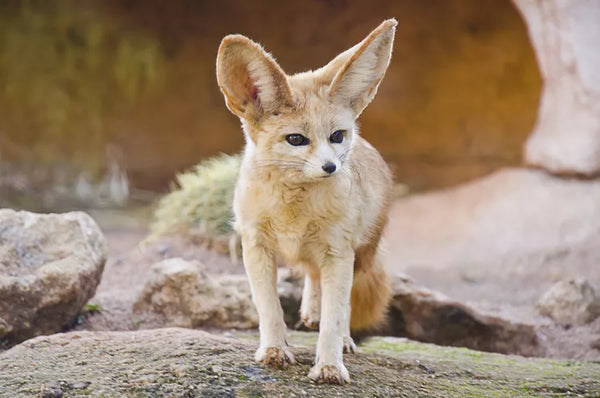
Status: Least Concern (wild groups are stable in the Sahara Desert).
Legality: Legal in some US states with a permit (illegal in CA, CO, HI, GA, MA, and others).
Why it is unique: It has huge ears (6 inches) to let out heat. Also, it is the smallest fox and has fur on its feet to walk on hot sand.
Care needs:
- A big outdoor pen with dig-proof fencing. They are famous escape artists.
- An omnivore diet (bugs, veggies, meat, and special kibble).
- Night-active, very busy and noisy at night.
- Lifespan: 10-14 years in captivity.
- You cannot litter-train them reliably.
- They get tooth problems, so they need an exotic vet.
Cost: $2,000-$3,000 from good breeders.
Challenges: Loud, high-pitched calls, destructive digging and chewing, high energy, and you need a specialist vet.
🏠 Housing Solutions for Active Exotics:
- VEVOR Outdoor Pet House - A safe shelter for outdoor pens.
- Portable Pet Backpack - Safe travel for vet visits.
4. Blue-Eyed Leucistic Ball Python - Living Jewel

Status: Bred in captivity (not found in the wild).
Legality: Legal in most US states (just check your local reptile laws).
Why it is rare: A special gene mix produces a pure white snake with bright blue eyes.
Care needs:
- A 40-gallon tank at least for an adult.
- A heat range (75°F on the cool side to 95°F on the warm side).
- Humidity of 50-60%, and up to 70% when shedding.
- Frozen (then thawed) rodents that match the snake's size.
- Lifespan: 20-30 years with good care.
- Multiple hiding spots, climbing branches, and a tight lid.
Cost: $500-$1,000+ for a good BEL morph.
Best for: Experienced reptile keepers who know how to control heat and moisture.
5. Capybara - World's Largest Rodent

Status: Least Concern in South America.
Legality: Legal in TX, PA, NY with permits, but heavily restricted elsewhere.
Why it is unique: It is semi-aquatic, very social, lives in herds, and can weigh over 140 lbs.
Care needs:
- MUST have at least one friend (they are incredibly social).
- A big yard with a pool or pond for swimming and cooling off.
- A plant-based diet (grass, hay, veggies, special pellets).
- Lifespan: 8-10 years in captivity.
- You need an exotic vet for dental care, as their teeth keep growing.
- Shelter from both heat and cold is a must.
Cost: $1,000-$3,000 each (you need at least 2, so $2,000-$6,000).
Space needs: At least 1/4 acre with water, and more for multiple animals.
💧 Water & Enrichment Solutions:
- Pet Splash Mat - For supervised water fun.
- 2-in-1 Pet Water Feeder - Water stations for big animals.
Rare Mammal Pets: Beyond the Usual Suspects
When people think of exotic pets, they often think of mammals first. These animals can form strong bonds. However, they also come with huge challenges that go far beyond normal pet care.
Sugar Glider - Pocket-Sized Marsupial

Status: Least Concern in Australia and Indonesia.
Legality: Legal in most US states (illegal in CA, HI, AK, PA, MA).
Why it is unique: It has a gliding membrane, is night-active, and lives in big social groups.
Care needs:
- MUST have a friend (at least 2 of the same sex, unless fixed).
- A large, tall cage (at least 24"x24"x36", bigger is always better).
- A special diet (Leadbeater's mix, fruits, veggies, and protein).
- Night-active (they are busy and noisy at night).
- Lifespan: 10-15 years in captivity.
- Bonding takes months of steady, patient handling.
Cost: $200-$500 each from a good breeder.
Challenges: Night-time "crabbing" noises, a special diet that can easily lack nutrients, months of bonding time, and fragile health.
🏠 Sugar Glider Housing & Comfort:
- House-Shaped Pet Bed - A cozy sleeping pouch.
- Plush Round Pet House - A warm nesting spot.
Serval Cat - Wild African Cat

Status: Least Concern in Africa.
Legality: Legal in some states with permits, but illegal in most following the Big Cat Public Safety Act.
Why it is unique: It is the tallest cat for its size and has a 50% hunting success rate—the best of any cat. Also, it has amazing hearing.
Care needs:
- A large outdoor pen (at least 800 sq ft with high fencing).
- A raw meat diet with bones for dental health.
- Cannot be declawed (it is illegal in most states and very cruel).
- Lifespan: 15-20 years in captivity.
- Very expensive vet care ($1,000+ for basic check-ups).
- Needs constant play and stimulation to avoid bad habits.
Cost: $5,000-$20,000 from questionable sources (most good breeders will not sell to private owners).
Reality check: It is not a house cat. It will spray urine to mark its space, destroy furniture and walls, and can be dangerous to other pets and children. Many are given up when they become adults.
Legal alternative: A Savannah cat (a mix of serval and house cat, with F4-F5 generations being better for pet life).
🧼 Large Cat Grooming & Care:
- Rechargeable Pet Hair Clipper - For managing shedding.
- Pet Grooming Bath Gloves - For bathing animals that don't like water.
Kinkajou - "Honey Bear" of the Rainforest
Status: Least Concern in Central and South America.
Legality: Legal in some states with permits, but banned in several others.
Why it is unique: It lives in trees, is night-active, has a gripping tail, and is related to raccoons.
Care needs:
- A large, tall pen with many climbing levels.
- A fruit-based diet (fruits, nectar, and occasional bugs).
- Night-active and can be aggressive if woken up during the day.
- Prone to breathing infections in dry air.
- Needs constant fun activities to avoid getting bored.
Cost: $2,500-$4,000, plus the cost of a special pen.
Tamandua (Lesser Anteater)
Status: Least Concern, but numbers are going down.
Legality: Very restricted. It often requires a USDA exhibitor's license, even where it is legal.
Why it is unique: It is a specialist bug-eater with a long, sticky tongue and a gripping tail.
Care challenges: It is almost impossible to give it the right diet (they need thousands of ants and termites daily). Also, they have sharp claws for defense and need specific warmth and moisture levels.
Cusimanse (Dwarf Mongoose)
Status: Least Concern in Africa.
Legality: Rarely kept in the US. Legality varies by state.
Why it is unique: They live in big social groups, are active during the day, and are very smart.
Care needs: They must live in groups. They need a complex pen with digging areas. Also, they tend to get overweight in captivity.
Rare Reptiles & Amphibians: Cold-Blooded Wonders
The reptile world offers some of the most legal, yet still challenging, exotic pets. These animals need very special care. However, they can be fairly sourced from captive breeding.
Prehensile-Tailed Porcupine
Status: Least Concern in South America.
Legality: Legal in some states with permits. You often need an exotic mammal license.
Why it is unique: It is the only porcupine with a gripping tail. It is night-active and eats plants.
Care needs: A big pen with climbing structures, a diet of fruits, veggies, and nuts. Its quills can be a hazard. Lifespan is 12-15 years.
Wallaby (Small Kangaroo Species)
Status: Varies by species; some are threatened.
Legality: Legal in some states (TX, OK, others), usually with permits.
Why it is unique: They are hopping marsupials, social animals, and grass-eaters.
Care needs: A large outdoor space (at least 1/2 acre). A special diet for their unique digestion. They need companions. Also, they are prone to capture myopathy (death from stress).
Tufted Deer - The "Vampire Deer"
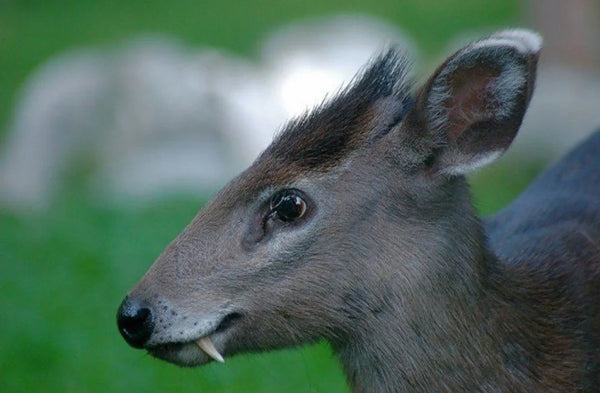
Status: Near Threatened in China and Myanmar.
Legality: ILLEGAL in most countries for private ownership.
Why it is called a vampire: Males have long, fang-like canine teeth used for fighting.
Why you should not own one: It is a truly wild animal. It needs a specific mountain forest home. Plus, there are major conservation worries, and it is almost never bred well in captivity.
Legal Rules for Exotic Pet Ownership (2026 Update)
The laws for exotic pets change all the time. What was legal last year might be banned today. Therefore, here is what you need to know for 2026:
Federal Laws You Must Know
- Endangered Species Act (ESA): Bans trading listed species without a special permit.
- Lacey Act: Makes it illegal to move stolen or illegally caught animals across state lines.
- Big Cat Public Safety Act (2022): Effectively bans owning lions, tigers, leopards, cheetahs, jaguars, cougars, and their hybrids.
- CITES (Convention on International Trade): An international treaty that controls wildlife trade across borders.
State-by-State Differences
The United States does not have one single exotic pet law. In fact, rules exist on different levels:
- State Laws: They range from total bans (Hawaii, California) to permit systems (Texas, Pennsylvania) to almost no rules (some Midwest states).
- County and City Rules: These are often stricter than state laws. As a result, you should always check your local rules.
- Positive vs. Negative Lists: Some states list what you can own (positive). Others list what you cannot own (negative).
Permit Requirements
If exotic pets are legal in your area, you will likely need:
- Wildlife Possession Permit: From your state wildlife agency.
- USDA License: Required if you are breeding or showing animals.
- Veterinary Health Certificate: For moving animals across state lines.
- Local Business License: If you plan to sell the babies.
🔄 Legal Changes for 2026: Several states have proposed new exotic pet laws. For instance, Nevada and Arizona recently made primate rules tighter. At the same time, Florida changed its Class I/II/III wildlife permit system. So, always check the latest rules with your state's wildlife agency before you get any exotic animal.
Health & Safety Issues with Exotic Pets
Beyond the law, exotic pets pose serious health risks to both the owner and the animal. Therefore, these issues should be a big part of your decision.
Diseases You Can Catch (Zoonotic)
- Salmonellosis: From reptiles, amphibians, and birds. It can be severe or even deadly.
- Herpes B Virus: From macaque monkeys. It is 70% deadly in humans if not treated.
- Rabies: From mammals, especially those caught in the wild.
- Leptospirosis: From rodent urine. It can cause kidney or liver failure.
- Psittacosis: From birds. It causes severe breathing problems.
- Monkeypox: From African rodents and primates.
Safety Risks to Owners & the Public
- Bites and Scratches: Even small animals can cause serious injuries that need stitches.
- Allergic Reactions: To dander, saliva, or bedding.
- Escape Risks: If non-native animals escape, they can become an invasive species.
- Public Nuisance: Noise, smells, or looks that bother your neighbors.
- Liability Issues: If your animal hurts someone, even on your property, you could be sued.

Care Needs: The Reality of Exotic Pet Ownership
Exotic pets are not just strange to look at. In fact, their needs are very different from common pets. Meeting these needs takes a lot of time and effort.
Special Diet Needs
- Live Food: Many reptiles, amphibians, and some mammals need live bugs or rodents.
- Import Bans: Some necessary foods might be illegal to ship or bring in.
- Balanced Nutrition: Making a complete diet takes expert knowledge and extra vitamins.
- Feeding Quirks: Some animals have very specific eating habits or schedules.
Environment & Housing Needs
- Climate Control: Tropical species need steady heat and moisture. Desert species need dry air.
- Space Needs: Far more than a normal cage. Some need a whole room or an outdoor pen.
- Enrichment: Mental stimulation is key to stop stress behaviors (like pacing or self-harm).
- Safety Changes: You may need to escape-proof, child-proof, and pet-proof your home.
Veterinary Care Challenges
- Finding Specialists: Exotic vets are rare and costly. Some may be hours away.
- Emergency Care: Few emergency clinics treat exotics, which can cause deadly delays.
- Limited Research: There is less research, so there are fewer treatment choices.
- Cost: Expect to pay 3 to 10 times more than for a dog or cat.
💡 Pro Tip: Before you get any exotic pet, find a good vet and book a check-up. Ask them about their experience with your chosen species, their emergency plans, and the yearly costs. This one step can prevent a lot of heartache.
Safe Alternatives to Exotic Pets
If you like the idea of exotic pets but worry about the ethics, laws, or practical issues, consider these smart alternatives. They offer unique appeal without the headaches.
Pets That Look Exotic But Aren't Rare
Dog breeds that look like wolves:
- Siberian Husky: Looks like a wolf but has a sweet, trainable nature.
- Alaskan Malamute: A strong arctic dog with striking looks.
- Tamaskan: Bred to look like a wolf while being great with families.
- Northern Inuit: Wolf-like looks in a friendly, trainable package.
🐕 Wolf-Look Dog Care Essentials:
- Giant Dog Bed - For big, active breeds.
- Automatic Dog Feeder - Keeps feeding times steady.
- Retractable Dog Leash - Safe walks with room to roam.
- Dog Sniffing Training Mat - Mental fun for your dog.
- Smart Tennis Ball Machine - Exercise for high-energy dogs.
Cat breeds that look like wild cats:
- Bengal cat: A spotted coat that looks like a leopard's.
- Savannah cat (F4-F5 generations): Tall and lean with a spotted coat. (A legal swap for servals).
- Ocicat: A house cat bred to look wild.
- Egyptian Mau: A naturally spotted, graceful breed.
🐱 Exotic-Looking Cat Care Essentials:
- OMCPET Automatic Litter Box - Easy daily hygiene.
- Electric Rotating Feather Teaser - Play that mimics hunting.
- Integrated Cat Climbing Bed - More vertical space to claim.
- Sisal Scratching Post - A natural way to scratch.
Unique But Manageable Small Pets
- Hedgehogs: Quirky bug-eaters (legal in most states).
- Chinchillas: Soft, active rodents with specific care needs.
- Skunks (descented): Legal in some states, smart but challenging.
- Ferrets: Domesticated for thousands of years, playful and social.
More Paw Vortex Guides You'll Love
Check out these other articles for more expert pet tips:
- What Is the Rarest Pet in the World? Exotic Animals You've Never Heard Of
- Rare Pets Are Cool—But Rare Pet Products Are Smarter (and Legal!)
- 30 Unusual Pets You Can Actually Own
- What Is the Least Stressful Pet? The 2026 Guide to Truly Low-Maintenance Companions
- If Pets Could Talk: 14 Heartwarming Answers Every Pet Owner Will Understand
Looking for more? Browse all our pet care guides and articles.
Frequently Asked Questions
Q: What is the rarest pet in the world in 2026?
A: Among pets that people actually try to own, the New Guinea singing dog is exceptionally rare in captivity. There might only be a few dozen in private hands. However, the true rarest are animals like the Ploughshare Tortoise or Spix's Macaw. But remember, owning them is illegal and wrong everywhere.
Q: What are the most exotic pets you've never heard of?
A: Beyond the usual ones, truly obscure pets include the Cusimanse (African dwarf mongoose), Tamandua (lesser anteater), Patu digua (world's smallest spider, kept by some bug fans), and the Pacman frog (though it is becoming more common).
Q: What are the rarest legal exotic pets in the USA for 2026?
A: This changes by state. However, it generally includes Axolotls (except in banned states), Capybaras (in TX, PA, NY with permits), certain ball python morphs like the Blue-Eyed Leucistic, Sugar Gliders (in most states), and Fennec Foxes (with permits in some states). Just be sure to check your current state and local laws.
Q: How rare is owning a kinkajou as a pet?
A: It is quite rare. While not the rarest, owning a kinkajou is limited by their tough care needs, their night-active schedule which conflicts with human routines, their potential to be aggressive, and legal bans in many states. Fewer than maybe 500 are kept as pets in the US.
Q: Is the axolotl one of the rarest pets?
A: In the wild, yes. They are in great danger, with maybe only 1,000 adults left in their one Mexican lake. However, in captivity, they are common and bred by the thousands worldwide. Thus, they are actually one of the easier unusual pets to get.
Q: What are the strangest legal pets in the US?
A: Depending on your state, it could be: Miniature donkeys, Fainting goats, Spotted skunks (descented, where legal), Tarakua spiders, Sugar Gliders, and in some areas, Wallabies. "Strange" is a personal opinion, but these are certainly not your average pets.
Final Thoughts: Should You Own a Rare Pet?
It is easy to understand why people want one of the world's rarest pets. The uniqueness, the cool conversation starter, the connection to nature's wonders. However, the reality almost never matches the dream.
Why exotic pet ownership is often a bad idea:
- ✅ Harms Conservation: It takes breeding animals from wild groups.
- ✅ Animal Welfare: It is impossible to fully meet their complex body and mind needs.
- ✅ Safety Risks: Even small exotics can hurt people. Big ones can kill.
- ✅ Legal Trouble: You could face fines, lose the animal, or even face criminal charges.
- ✅ Money Drain: Good care often costs over $10,000 per year.
- ✅ Ethical Concerns: It supports an industry that often treats animals poorly.
🐾 Responsible Pet Ownership Choices:
- 🐕 Dog Accessories Collection - For your loyal friend.
- 🐱 Cat Accessories Collection - For your feline buddy.
- 🏠 Pet Beds Collection - Comfort for every pet.
- 🍽️ Pet Feeders Collection - Making sure they eat right.
- 🎾 Dog Toys Collection - Fun and exercise.
📚 Continue Your Pet Education:
The bottom line: The rarest pet in the world should probably stay that way. True animal lovers put their excitement into helping protect them, visiting them ethically in the wild, or giving amazing homes to normal pets that need one.
Instead of looking for something exotic, look for the extraordinary in an ordinary pet. Think of the unique personality of a rescue dog, the smarts of a parrot, or the deep bond with a horse. These connections give you all the joy without the ethical guilt.
What do you think about exotic pet ownership? Have you ever had an unusual pet? Share your experiences responsibly in the comments below! 🌍
 PawVortex | Expert Pet Care Guides & Products
⚠️ Important Disclaimer: This article is for learning purposes only. Many rare animals should NOT be kept as pets because of protection issues, laws, and welfare problems. Always look into the rules for owning rare pets and the ethics behind it before you think about getting any unusual animal.


