
Welcome Home: Your Guide to the Must-Have Dog Essentials
Bringing a new dog home is one of life's great joys—filled with wagging tails, sloppy kisses, and a newfound sense of companionship. But between the excitement and the adorable chaos, it’s easy to feel overwhelmed. What does your new furry family member actually need to feel safe, happy, and healthy?
The right gear can make the difference between a stressful transition and a smooth start. This isn't about spoiling your pet (though you absolutely should); it's about providing the foundational tools for safety, training, comfort, and care. Whether you're welcoming a playful puppy with boundless energy or a gentle rescue dog learning the ropes of their forever home, this comprehensive shopping list is your roadmap. We’ve cut through the noise to bring you the 15 essential items, backed by practical advice, to set you and your new best friend up for success from day one.
Table of Contents
- Safety, Control & Identification: The Non-Negotiables
- Crate Training & Confinement: Creating a Safe Space
- Hygiene & Grooming: Tools for Health and Cleanliness
- Feeding & Nutrition: Bowls, Puzzles, and Storage
- Comfort & Rest: Beds for Every Sleep Style
- Training & Enrichment: Smart Toys for a Happy Mind
- The Data on New Dog Ownership: Key Statistics
- Proactive Solutions for Common New-Dog Challenges
- Curated Essentials: A Paw Vortex Product Showcase
- Final Thoughts & Key Takeaways
- About Paw Vortex
- Related Articles
- Frequently Asked Questions (FAQ)
1. Safety, Control & Identification: The Non-Negotiables
Before the first walk or trip to the park, securing your dog's safety is paramount. This category includes the items that keep them physically safe, under control in new environments, and identifiable if they ever get lost.
A. The Walking System: Harness & Leash
A simple collar and leash won't cut it for safety and control. For new dogs, especially puppies or strong pullers, a no-pull harness is a game-changer. It distributes pressure across the chest, preventing neck strain and giving you better control. Look for a reflective vest harness and leash set for visibility during early morning or evening walks—a critical feature for safety.
For training in open, safe spaces, a retractable leash offers controlled freedom. It allows your dog to explore and sniff, which is essential for mental stimulation, while you maintain the ability to reel them in. A large, durable retractable leash is ideal for medium to large breeds.
B. Permanent Identification: Collar & ID Tag
Your dog should wear a sturdy collar with an ID tag at all times. The tag is their ticket home if they slip out the door. While microchipping is essential (a permanent, internal ID), a tag provides instant information for a finder. A tactical dog collar and leash set offers durability and often includes a ring for an ID tag, making it a robust foundational piece of gear.
Quick-Reference: Safety Gear Checklist
| Item | Primary Purpose | Key Feature to Look For |
|---|---|---|
| No-Pull Harness | Control, comfort, prevent pulling | Reflective material for night safety |
| Retractable Leash | Exploration & training in open areas | One-handed brake lock for quick control |
| Sturdy Collar & ID Tag | Permanent, visible identification | Durable buckle and engraved tag with your phone number |
2. Crate Training & Confinement: Creating a Safe Space
A crate or playpen isn't a cage; it's your dog's personal bedroom and safe den. It aids in house training, prevents destructive chewing when unsupervised, and provides a secure retreat during stressful situations like thunderstorms or parties.
A. Exercise Playpens for Supervised Freedom
For puppies or new dogs, a playpen offers a safe, enclosed area to play, eat, and rest without constant, eagle-eyed supervision. It’s a fantastic tool for managing their environment. An octagonal folding playpen is versatile, providing ample space and often featuring a waterproof bottom for easy clean-up—perfect for indoor use on any floor surface.
B. Crate Comfort: The Right Mattress
If you use a crate, comfort is key to making it a positive space. A hard plastic tray is uninviting. A removable, washable crate mattress provides orthopedic support for joints and creates a cozy sleeping area. Ensure it's the correct size: your dog should be able to stand up, turn around, and lie down stretched out.
- House Training Aid: Dogs naturally avoid soiling their sleeping area. A properly sized crate leverages this instinct.
- Safety During Travel: A crate is the safest way to transport your dog in a vehicle.
- Reduces Anxiety: A covered crate mimics a den, offering a dark, quiet hideaway for nervous dogs.
3. Hygiene & Grooming: Tools for Health and Cleanliness
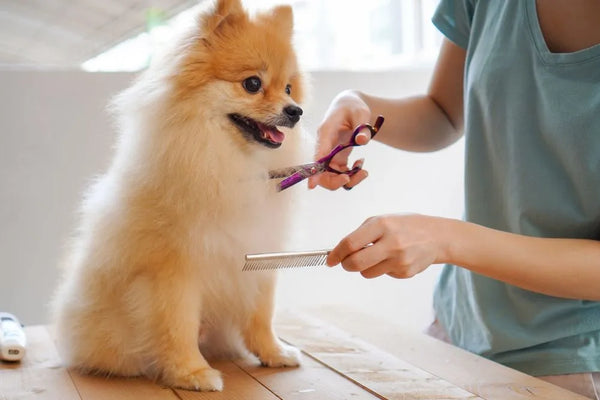
Regular grooming is about far more than looks. It's a health check that strengthens your bond and prevents issues like matted fur, overgrown nails, and dental disease. Starting early gets your dog comfortable with being handled.
A. Nail Care: Grinder vs. Clippers
Overgrown nails are painful and can affect a dog's gait. For beginners and nervous dogs, a rechargeable electric nail grinder is often less stressful than clippers. It files the nail down smoothly, eliminating the risk of cutting the quick (the sensitive blood vessel inside the nail). Look for one with an LED light to see the quick clearly.
B. The Clean-Up Kit: Bags, Wipes & Brushes
Hygiene is a daily routine. Your kit should include:
- Poop Bags: Opt for biodegradable, compostable bags. They are better for the environment and often come in a convenient dispenser that attaches to the leash.
- Bathing Brush: A shower massage brush connects to your hose or showerhead, making bath time efficient. It helps shampoo reach the undercoat and provides a soothing massage that many dogs enjoy.
- Hypoallergenic Wipes: Perfect for quick clean-ups. Use gentle, pre-moistened wipes for muddy paws, a dirty face, or to clean ears in between deeper cleanings.
Dos and Don'ts of New Dog Grooming
| Do | Don't |
|---|---|
| Introduce grooming tools slowly, with plenty of treats and praise. | Force a scared dog into a grooming session, creating a negative association. |
| Wipe paws after walks to remove dirt, salt, or chemicals. | Use human shampoo, which can strip essential oils and cause skin irritation. |
| Check and clean ears weekly to prevent infections. | Cut nails too short (avoid the pink "quick"). When in doubt, grind a little at a time. |
4. Feeding & Nutrition: Bowls, Puzzles, and Storage
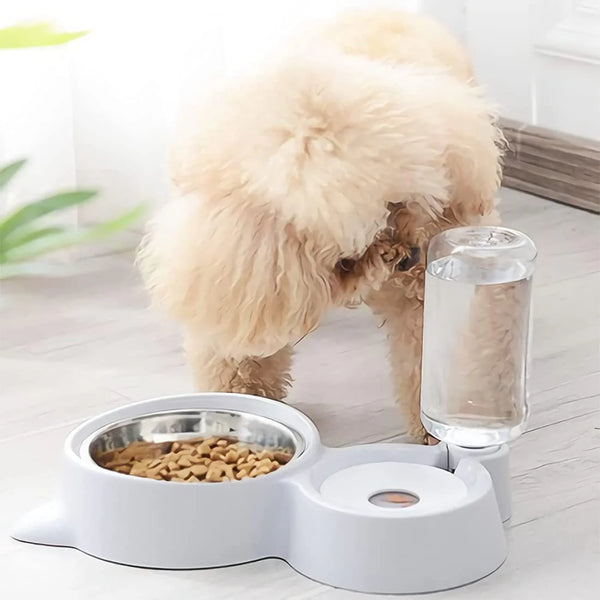
How and what you feed your dog impacts their health, behavior, and even digestion. The right feeding tools can prevent common issues like bloat, obesity, and boredom-related mischief.
A. The Right Bowl Setup
Elevated feeders aren't just stylish; they promote better posture for medium to large breeds, reducing neck and joint strain. An adjustable elevated dog bowl stand lets you customize the height as your puppy grows and is typically made with easy-to-clean stainless steel bowls.
B. Mental Mealtime: Slow Feeders & Puzzle Toys
Dogs who wolf down food can suffer from indigestion, gas, and a serious condition called bloat. A slow feeder forces them to eat at a healthier pace. A versatile option like the Dolemi sniffing pad and puzzle slow feeder combines mealtime with mental enrichment, turning dinner into a rewarding game that tires them out.
C. Hydration on the Go
Never let your dog go thirsty during walks, hikes, or travel. A portable pet water bottle and food dispenser is an all-in-one solution that's more hygienic and convenient than collapsible bowls, ensuring fresh water is always available.
Comparison: Standard Bowl vs. Slow Feeder/Puzzle
| Feature | Standard Bowl | Slow Feeder / Puzzle Toy |
|---|---|---|
| Eating Speed | Fast (30 seconds or less) | Slow (5-20 minutes) |
| Mental Stimulation | None | High - engages problem-solving |
| Risk of Bloat | Higher for fast eaters | Significantly Reduced |
| Best For | Senior dogs, slow eaters, water | Puppies, high-energy dogs, fast eaters |
5. Comfort & Rest: Beds for Every Sleep Style
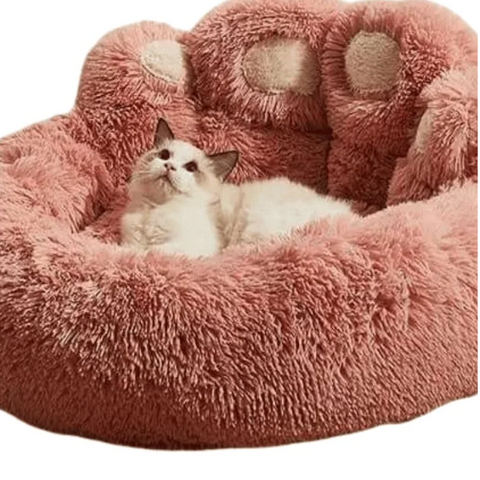
Dogs sleep 12-14 hours a day. A high-quality bed supports their joints, provides insulation from cold floors, and gives them a dedicated space of their own. The right bed can also ease anxiety.
A. Orthopedic Support for Growing Joints
Large breed puppies and senior dogs especially need joint support. An orthopedic dog bed with a washable cover uses memory foam or high-density foam to distribute weight evenly, alleviating pressure on hips and elbows. The non-slip bottom and removable cover are essential for practicality.
B. The Security of a "Den"
Many dogs, especially anxious or small breeds, prefer the secure feeling of sleeping in an enclosed space. A cozy corner pet bed offers raised, bolstered sides that provide head and back support, creating a sense of security and warmth—a perfect alternative to a classic donut cuddler bed.
- Location Matters: Place the bed in a quiet, low-traffic area, but where your dog can still see the family.
- Size Appropriately: Your dog should be able to lie flat on their side with legs extended without hanging off the edge.
- Washability is Key: Accidents happen. A machine-washable bed or cover is non-negotiable for hygiene.
6. Training & Enrichment: Smart Toys for a Happy Mind
A bored dog is a destructive dog. Mental stimulation is just as crucial as physical exercise. Enrichment toys prevent problem behaviors, reduce anxiety, and strengthen the bond between you and your pet.
The Ultimate Interactive Toy
For the tech-savvy pet parent or a dog that needs advanced engagement, an interactive dog toy ring with voice and treat dispensing is a powerhouse. It combines puzzle-solving with auditory cues and rewards, keeping your dog occupied and mentally challenged for extended periods. This is an excellent tool for separation anxiety or for providing stimulation when you're busy.
Training Treats & Chews: The Supporting Cast
While not in our core 15-item list, these are essential consumables that pair with your training tools:
- High-Value Training Treats: Small, soft, and smelly. Use these for teaching new commands or in distracting environments.
- Durable Chew Toys (like KONG): Stuff with peanut butter or kibble and freeze for a long-lasting, calming activity that satisfies natural chewing instincts and promotes dental health.
- Lick Mats: Spread wet food or yogurt on a textured mat and freeze. Licking is a naturally calming activity for dogs, perfect for crate training or winding down.
Explore our full range of dog toys and enrichment tools to find the perfect match for your dog's energy level and intelligence.
7. The Data on New Dog Ownership: Key Statistics
Understanding the common challenges and trends can help you prepare effectively. Here’s what the data says about new dog owners and their biggest hurdles.
New Dog Owner Statistics & Common Issues
| Statistic / Issue | Data / Percentage | What It Means for You |
|---|---|---|
| Leading Cause of Surrender | Behavioral Problems (~30%) | Investing in training tools and enrichment from day one is critical to prevent issues like chewing, barking, and house-soiling. |
| Puppies vs. Adult Dogs | ~67% adopt puppies, ~33% adopt adults | Puppies need more confinement and teething gear. Adult rescues may need more comfort and anxiety-relief items. |
| First-Year Vet Visits | Average of 3-4 visits | Budget for initial shots, spay/neuter, and check-ups. A wellness-focused product collection can support preventative care. |
| Owner's Biggest Frustration | Potty Training (47%) | Having the right tools—enzymatic cleaner, crate, pee pads—makes this process less stressful and more successful. |
| Dogs Lost Without ID | Only ~15% are returned home | A collar with an ID tag immediately boosts the chance of a lost dog being returned. Microchipping is the vital backup. |
These numbers highlight why the essentials on this list aren't just "nice-to-haves." They are data-backed solutions to the most common and serious challenges new dog owners face, directly impacting retention rates and animal welfare.
8. Proactive Solutions for Common New-Dog Challenges
Anticipating problems is the best way to prevent them. Here are practical, actionable solutions for the top five hurdles new dog owners face, using the essential items from our list.
Challenge 1: Destructive Chewing & Biting
The Problem: Puppies explore the world with their mouths, and untrained adult dogs may chew out of boredom or anxiety. This can destroy furniture, shoes, and even be dangerous for the dog.
The Solution: Redirect, Don't Punish.
- Always have an approved chew toy on hand. When they chew something inappropriate, calmly take it away and replace it with the toy.
- Use an interactive puzzle toy stuffed with food to keep them mentally occupied and their mouth busy on an appropriate item.
- For puppies, ensure they have plenty of nap time in their playpen or crate; overtired puppies are often bitey.
Learn More: Read our in-depth guide on How to Stop Puppy Biting for proven techniques.
Challenge 2: Potty Training Setbacks
The Problem: Accidents in the house are frustrating and can stall training progress, often due to inconsistent schedules or lingering odors that encourage re-soiling.
The Solution: Consistency & Complete Odor Removal.
- Take your puppy out immediately after waking, playing, and eating. Use a consistent phrase like "go potty."
- Clean accidents thoroughly with an enzymatic cleaner designed for pet stains. Regular cleaners remove the smell for humans, but enzymes break down the organic matter that dogs smell, eliminating the "bathroom here" signal.
- Use absorbent puppy pads in a designated spot for times you can't get them outside quickly, or for apartment dwellers.
Learn More: Master the process with our step-by-step Puppy Potty Training Success blog post.
Challenge 3: Pulling on the Leash
The Problem: Walks become a battle of strength, making them unpleasant and potentially unsafe for both owner and dog.
The Solution: Right Gear + Positive Reinforcement.
- Immediately switch to a front-clip no-pull harness. This gives you control by gently turning the dog's chest toward you when they pull, rather than fighting against their neck strength.
- Stop walking the moment the leash goes taut. Only proceed when there is slack. This teaches that pulling = no forward movement.
- Carry high-value treats and reward your dog frequently for walking nicely beside you, even for just a few steps.
Challenge 4: Anxiety & Stress (Alone or in New Situations)
The Problem: Whining, barking, destructive behavior, or hiding when left alone or during events like thunderstorms or fireworks.
The Solution: Create a Safe Haven & Use Calming Tools.
- Make the crate or a cozy, enclosed bed a positive space with treats and comfort.
- Provide a long-lasting, engaging activity like a sniffing mat or puzzle feeder when you leave. The mental work is tiring and distracting.
- Consider calming supplements or pheromone diffusers (available in our Pet Health collection) for severe cases, alongside behavioral training.
Challenge 5: Overwhelmed by Grooming & Nail Trims
The Problem: Your dog fights, flees, or freezes during basic care, making routine maintenance a stressful ordeal.
The Solution: Desensitization & The Right Tool.
- Desensitize Slowly: Let your dog see and sniff the nail grinder while it's off, then on, rewarding with treats. Touch it to one nail for a half-second, then reward. Build up duration over days.
- Use a gentle shower massage brush that feels good, turning bath time into a positive experience.
- Keep sessions short (2-5 minutes) and always end on a positive note with a favorite treat or play session.
Learn More: For a full grooming breakdown, see our Complete At-Home Dog Grooming Guide.
9. Curated Essentials: A Paw Vortex Product Showcase
To make your shopping easier, we've categorized our top-rated essentials from the list above. Each product is chosen for its quality, functionality, and ability to solve the specific challenges new dog owners face.
Safety & Walking Must-Haves
- Reflective Vest Harness & Leash Set: For control and nighttime visibility.
- Large Retractable Dog Leash: For safe exploration and training in open areas.
- Tactical Dog Collar & Leash Set: A durable foundation for everyday wear and ID tagging.
Home Setup & Training Aids
- Folding Octagonal Pet Playpen: Creates a safe, contained zone for play and rest.
- Removable Dog Crate Mattress: Transforms a crate into a comfortable den.
- Interactive Dog Toy Ring: The ultimate mental challenge to prevent boredom and anxiety.
Health & Hygiene Kit
- Rechargeable Electric Pet Nail Grinder: A stress-free way to maintain nail health.
- Biodegradable Compostable Poop Bags: Responsible clean-up that's easy to carry.
- Dog Bathing Shower Massage Brush: Makes bath time efficient and enjoyable.
- Hypoallergenic Ear Cleaner Wipes: Gentle cleaning for paws, face, and ears.
Feeding & Comfort Essentials
- Adjustable Elevated Dog Bowl Stand: Promotes better posture and easier eating.
- Dolemi Sniffing Pad & Slow Feeder: Combines mealtime with brain work.
- Orthopedic Dog Bed with Washable Cover: Essential support for joints and restful sleep.
Remember: You can browse our complete, categorized collections for even more options: Dog Accessories, Grooming & Hygiene, and Toys & Enrichment.
10. Final Thoughts & Key Takeaways
Preparing for your new dog with the right essentials is an act of love that pays dividends in a smoother transition, a stronger bond, and a happier, healthier pet. It's not about buying everything, but about investing smartly in items that solve real problems: safety, training, comfort, and care.
Key Takeaways
- Safety First: A secure harness, a sturdy leash, and proper identification (collar tag and microchip) are non-negotiable for your dog's physical security.
- Manage the Environment: Use a crate or playpen to prevent accidents and destructive chewing, providing a safe den while you build trust.
- Prioritize Mental & Physical Health: Slow feeders, puzzle toys, and regular grooming tools aren't luxuries; they prevent behavioral issues and maintain wellness.
- Comfort is Key to Confidence: A supportive bed in a quiet spot gives your dog a retreat, reducing stress and anxiety.
- Start as You Mean to Go On: Introduce grooming, handling, and training routines gently but consistently from day one to build positive associations.
Your journey is just beginning. For a holistic view on setting up your home, integrating your new family member, and mastering those first crucial weeks, be sure to read our comprehensive New Puppy Survival Guide. And when you're ready to organize your space, our Complete Home Setup Guide will walk you through creating the perfect environment.
Ready to Get Everything You Need?
Shop our entire range of vet-approved, owner-tested essentials to set your new best friend up for a lifetime of happiness.
Shop All Dog Essentials Now
About Paw Vortex
At Paw Vortex, we believe every pet deserves a life filled with joy, comfort, and adventure. We're more than just a retailer; we're a team of pet lovers and experts dedicated to curating the highest quality gear, toys, and wellness products that strengthen the incredible bond you share with your animal companion.
We rigorously test products for safety, durability, and pure pet appeal, so you can shop with confidence. Our mission is to be your trusted partner in pet parenthood, providing not only the essentials but also the knowledge and support you need.
Why Choose Paw Vortex?
- Expertly Curated Selection: Every product solves a real problem or enhances pet well-being.
- Uncompromising Quality & Safety: We prioritize products with non-toxic materials and intelligent design.
- Pet-Led & Owner-Approved: Our choices are driven by what pets actually love and owners genuinely recommend.
- Educational Resources: Access comprehensive guides (like this one!) to become a more informed and confident pet parent.
Connect With Us:
Have questions? Need personalized advice? We're here to help.
Email: hello@pawvortex.com
Follow Our Community: Facebook | Instagram | YouTube
Visit our full store at www.pawvortex.com.
12. Frequently Asked Questions (FAQ)
Q: I'm on a budget. What are the absolute non-negotiable items I need first?
A: Prioritize this core four: 1) A secure collar and ID tag, 2) A 6-foot leash (or a no-pull harness set if your dog pulls), 3) Food and water bowls, and 4) High-quality puppy or adult dog food. A crate/playpen and a bed are next-level priorities for management and comfort.
Q: Should I get a crate AND a playpen for my new puppy?
A: They serve different but complementary purposes. A crate is for enforced naps, overnight sleeping, and housetraining (dogs avoid soiling their den). A playpen is for supervised daytime play when you can't watch them every second. Many owners start with a playpen that can fit a crate inside, creating a versatile "puppy zone."
Q: Is a harness really better than a collar for walking?
A: For most new dogs, especially puppies and pullers, yes. Collars can put dangerous pressure on the trachea (windpipe), leading to injury. A well-fitted front-clip harness gives you better control and is safer. Reserve a collar for holding ID tags.
Q: How often should I groom my new dog?
A: It depends on the breed, but establishing a routine is key. Brush several times a week (daily for heavy shedders). Check and clean ears weekly. Trim nails every 2-4 weeks, or when you hear them click on the floor. Bathe only every 4-8 weeks, unless they get dirty, to avoid drying out their skin.
Q: My dog hates nail trims. What can I do?
A: This is extremely common. Switch from clippers to a rechargeable nail grinder, which files rather than cuts and is less likely to hit the quick. Practice desensitization: let them sniff the off grinder for treats, then the on grinder from a distance, then gently touch one nail for a second. Progress slowly over days.
Q: What's the single best thing I can buy to keep my dog busy?
A: For mental stimulation, a food-dispensing puzzle toy is unparalleled. Options like a classic KONG (stuffed and frozen) or an interactive treat-dispensing ring turn mealtime or snack time into a engaging brain game that can keep them occupied for 20-30 minutes, reducing boredom and destructive behavior.
Disclaimer & Safety Information
Important: The information provided in this blog post is for educational and informational purposes only and is not a substitute for professional veterinary advice, diagnosis, or treatment. Always seek the guidance of your veterinarian or other qualified animal health provider with any questions you may have regarding your pet's health, behavior, or the suitability of any product.
- Product Use: Always use products as intended by the manufacturer. Supervise your pet with new toys, especially those designed for chewing or dispensing treats, to prevent accidental ingestion or choking.
- Individual Results May Vary: Each dog is unique. Training methods, product suitability, and outcomes can differ based on breed, age, temperament, and health.
- External Links: Paw Vortex is not responsible for the content of external websites linked within this article.
- Affiliate & Transparency: This article contains links to products sold on PawVortex.com. We are a participant in various affiliate advertising programs, but our recommendations are always based on our genuine belief in the product's value and quality.
Last Updated: March 2025
© 2025 Paw Vortex. All rights reserved.


