

Beyond the Chill: Engineering Warmth and Safety for Your Pet in Extreme Cold
A sudden "Greenland Chill" or polar vortex plunge isn't just an inconvenience—it's a genuine threat to your pet's health. As temperatures plummet to sub-zero extremes, our dogs and cats face risks like hypothermia, frostbite (especially on ears, tails, and paws), and toxic exposure from ice-melting chemicals. For pet parents in the Northern US, preparing for arctic-level cold requires more than a simple sweater; it demands a strategic, gear-based defense system.
This guide, crafted with the ethos of "The Tech-Savvy Critic," cuts through the fluff. We're analyzing materials, construction, and real-world performance to help you assemble a premium winter kit for your pet. We'll move beyond basic coziness to explore insulation technologies, waterproof-breathable membranes, paw-saving solutions, and visibility tech that perform when the mercury drops dangerously low. Think of it as building an expedition-ready profile for your furry family member.
Whether you have a cold-sensitive Greyhound, a winter-loving Husky, or a curious cat who braves the porch, the right gear is non-negotiable. We've scrutinized the market to integrate top-performing products that offer genuine protection, ensuring your pet isn't just surviving the deep freeze, but thriving in safety and comfort.
Table of Contents
- Understanding the Arctic Threat: Why Basic Gear Fails
- The Insulation Hierarchy: Choosing the Right Coat for the Cold
- Paw Protection: The First Line of Defense Against Ice & Salt
- Beyond the Core: Insulating Ears, Tails, and Undercarriages
- Polar Night Safety: Visibility Tech for Dark Winter Days
- The Indoor Arctic Den: Post-Exposure Recovery Zones
- Breed-Specific Strategies: From Chihuahuas to Malamutes
- Expedition-Ready Fit: How to Properly Size Winter Gear
- By the Numbers: The Real Risks of Cold Weather for Pets
- Beyond the Coat: 5 Proactive Winter Wellness Solutions
- The Premium Winter Kit: Curated Gear for Extreme Conditions
- Final Thoughts & Key Takeaways
1. Understanding the Arctic Threat: Why Basic Gear Fails
When temperatures approach "Greenland Chill" levels, standard pet apparel becomes a liability. A thin cotton sweater absorbs moisture and loses all insulating properties. A poorly fitted coat creates drafts. Non-waterproof materials allow snowmelt and wind to directly sap body heat. The goal for extreme cold is not just to add a layer, but to create a stable, dry microclimate around your pet's body.
The primary dangers in sub-zero conditions are:
- Hypothermia: Occurs when a pet's body temperature falls below 99°F. Shivering, lethargy, and weak pulse are early signs. Small, short-haired, young, old, and sick pets are at highest risk.
- Frostbite: The freezing of body tissue. It most commonly affects extremities with poor circulation: paw pads, ear tips, and tails. Skin may appear pale, gray, or blue, and feel cold/brittle.
- Chemical Burns & Toxicity: Ice melt salts (calcium chloride, sodium chloride) are severe skin irritants and are toxic if ingested during paw licking.
- Dry, Cracked Paw Pads: Cold air lacks humidity, and icy surfaces are abrasive, leading to painful cracks and fissures.
Premium winter gear is engineered to combat these specific threats through technical fabrics, sealed seams, and strategic design. It's the difference between a decorative layer and essential survival equipment.
2. The Insulation Hierarchy: Choosing the Right Coat for the Cold
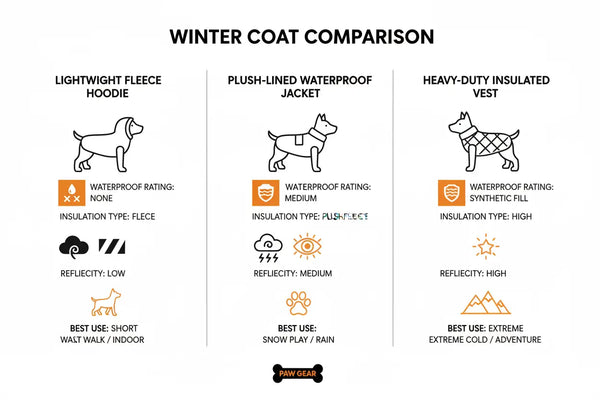
Not all cold is created equal, and neither should your pet's outerwear be. Building a versatile wardrobe allows you to match the gear to the day's specific harshness. Think in terms of a three-tier system.
Tier 1: The Mid-Weight Insulator (20°F to 35°F / -6°C to 2°C)
For chilly, dry days or active breeds who generate their own heat. This layer is about warmth and moisture-wicking.
- Best For: Short walks, potty breaks, dogs with dense undercoats.
- Key Features: Fleece, softshell, or quilted materials. Focus on coverage over the back and chest.
- Product Pick: The Fleece Pet Hoodie with Zipper Pocket is a perfect mid-layer. Its fleece construction traps warm air, and the full-coverage hood provides extra ear protection. The zipper pocket is a clever touch for waste bags or a hand warmer.
Tier 2: The Waterproof & Windproof Shell (10°F to 25°F / -12°C to -4°C)
When wet snow, sleet, or biting wind is the primary adversary. This tier prioritizes creating a barrier against the elements.
- Best For: Snow play, longer walks in precipitation, windy conditions.
- Key Features: Waterproof outer shell (look for polyester or nylon with a coating), sealed or taped seams, a high neck, and a secure closure system (Velcro or straps). Reflectivity is a major bonus for low-light safety.
- Product Pick: The Reflective Winter Dog Coat (Plush Lined) is a standout. Its waterproof exterior shields against snow and wind, while the plush lining adds comfort. The 360-degree reflective strips are critical for winter's early sunsets.
Tier 3: The Heavy-Duty Insulated Parka (Below 10°F / -12°C & Arctic Blasts)
This is your pet's expedition-grade parka, designed for severe, dry cold. Its job is to trap maximum body heat with minimal bulk, allowing for necessary movement.
- Best For: Extreme cold warnings, polar vortex events, short-haired or vulnerable breeds in any cold.
- Key Features: High-loft synthetic insulation (like PrimaLoft®), full-body coverage including the belly, a snug collar, and durable outer fabric. A fitted, non-restrictive cut is essential.
- Product Pick: The Alpine Trail Dog Vest (Plush-Lined Winter Coat) is engineered for this tier. The combination of a thick, plush lining and a robust outer shell creates a serious thermal barrier. Its vest-style design with chest coverage is ideal for heat retention without over-encumbering the legs.
| Coat Tier | Temperature Range | Primary Threat | Key Feature | PawVortex Example |
|---|---|---|---|---|
| Mid-Weight Insulator | 20°F to 35°F | Dry Cold, Chill | Fleece/Moisture Wicking | Fleece Pet Hoodie |
| Waterproof Shell | 10°F to 25°F | Wet Snow & Wind | Waterproof/Reflective Shell | Reflective Winter Dog Coat (Plush) |
| Heavy-Duty Parka | Below 10°F / Arctic Blast | Severe Dry Cold | High-Loft Insulation & Full Coverage | Alpine Trail Dog Vest |
Use this table to quickly match your pet's coat to the forecasted conditions.
3. Paw Protection: The First Line of Defense Against Ice & Salt
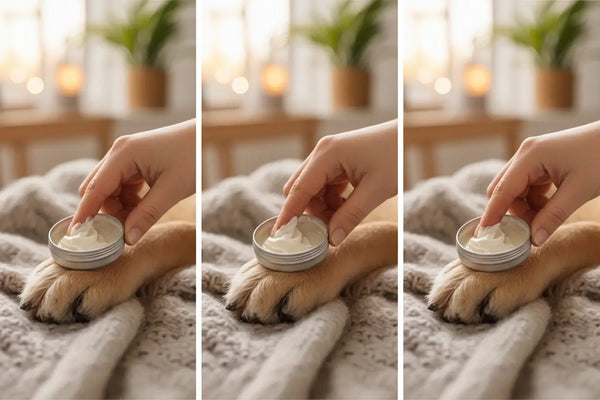
Your pet's paws are in direct, prolonged contact with every winter hazard. Protection here isn't optional; it's critical. There are two primary, complementary strategies: chemical barriers and physical barriers.
Strategy A: Paw Balms & Waxes (The Invisible Boot)
Think of a quality paw balm as a protective moisturizer and sealant. It conditions dry pads to prevent cracking and creates a hydrophobic layer that repels moisture and minimizes salt and chemical adherence.
- How to Use: Apply a generous layer to pads and between toes 5-10 minutes before going outside. This allows it to absorb and form a barrier. Wipe paws with a damp cloth upon returning, then reapply a light layer to soothe and moisturize.
- Product Pick: Dog Hugs Cat Dog Paw Balm. This natural, pet-safe balm uses ingredients like shea butter and coconut oil to nourish pads while providing that essential protective barrier against ice melt and cold surfaces.
Strategy B: Physical Barriers (For Extreme Conditions)
When facing prolonged exposure on sheer ice, deep snow, or heavily salted sidewalks, a physical barrier is superior. While we don't have traditional boots in our current list, an innovative alternative exists for specific threats.
- For Rain, Sleet, and Blowing Snow: The Transparent C-Shaped Pet Umbrella. This hands-free cover attaches to your leash, shielding your dog's back and head from falling snow and sleet. More importantly, it helps keep driving precipitation off their paws during a storm, complementing the protection of a balm.
- The Boot Verdict: If you frequently encounter extreme ice or salt, searching for flexible, grippy, and well-fitting dog boots is recommended. Look for brands like Ruffwear or Canada Pooch for this specialized item.
The Paw Care Routine: Always carry a towel on walks to wipe away snow, ice balls, and salt residue immediately. Inspect pads daily for cracks, redness, or irritation. The combination of pre-walk balm and post-walk cleaning is your most effective daily defense.
4. Beyond the Core: Insulating Ears, Tails, and Undercarriages
A parka that only covers the back is like a house with no roof. In extreme cold, heat escapes from every exposed area. True arctic-level gear considers the entire thermal profile of your pet, protecting vulnerable extremities that are prone to frostbite and significant heat loss.
Ears & Heads: The Major Heat Sink
Thin-skinned ears with poor circulation freeze quickly. For dogs with erect ears (like German Shepherds) or thin ears (like Greyhounds), coverage is critical.
- Solution: Look for coats with integrated hoods or high, snug collars that come up around the base of the ears. A hooded option like the Fleece Pet Hoodie provides an excellent extra layer of insulation for the head and neck area, which can be worn under a waterproof shell in extreme conditions.
Belly & Undercarriage: The Convective Cooler
A cold underbelly pressed against frozen ground or blasted by wind chill loses heat rapidly through convection. This is a common flaw in many simple sweaters and coats.
- Solution: Opt for a "full-wrap" or vest-style coat that provides substantial chest and belly coverage. The Alpine Trail Dog Vest is designed specifically for this, protecting the core's ventral side where vital organs are located. For cats venturing into cold spaces, the Cozy Cuddler Cat Jacket offers similar full-torso protection.
Tails & Legs: Sealing the Gaps
While full leg coverings are often impractical, the areas where legs meet the torso should be insulated. Tails, especially those with little fur, are vulnerable.
- Solution: A well-fitting coat will have leg holes that are snug but not restrictive. For tail protection, some premium parkas feature extended coverage over the tail base. Ensuring the coat is the correct length is key—it should cover from the base of the neck to the start of the tail.
5. Polar Night Safety: Visibility Tech for Dark Winter Days
Arctic conditions often come with "polar nights"—extremely short days and long periods of darkness. A standard reflective strip is passive safety; it requires a car's headlights to hit it. For proactive, fail-safe visibility, you need active illumination.
Active Illumination: The LED Advantage
LED lights make your pet a visible beacon from hundreds of feet away, in any direction, regardless of light source. This is crucial for early morning or evening walks in snowstorms or fog.
- Product Pick: The Luma Vest LED Illuminating Harness Leash Set is a game-changer. It integrates bright, long-lasting LED lights directly into a sturdy harness, creating 360-degree visibility. Multiple light modes (steady, flashing) ensure your pet is seen. This isn't an accessory; it's a critical piece of winter safety gear that functions as both a harness and a light source.
Maximizing Passive Reflectivity
Your pet's entire winter ensemble should incorporate reflective elements. This works in tandem with active lights.
- Integrated Reflective Gear: Choose coats with substantial reflective piping or panels, like the Reflective Winter Dog Coat (Velvet) or the Reflective Cotton Dog Jacket. These turn a car's headlights into a spotlight on your pet.
The Premium Winter Kit: Curated Gear for Extreme Conditions
Based on the threats and solutions outlined, here is a categorized kit of high-performance products to prepare your pet for the most severe winter conditions.
Core Insulation & Outerwear
- Alpine Trail Dog Vest (Plush-Lined Winter Coat): The heavy-duty parka for sub-zero temps.
- Reflective Winter Dog Coat (Plush): The waterproof, reflective shell for wet and windy conditions.
- Fleece Pet Hoodie: The perfect insulating mid-layer or standalone piece for chilly days.
Paw & Element Protection
- Dog Hugs Cat Dog Paw Balm: The essential chemical barrier against ice, salt, and cracking.
- Transparent C-Shaped Pet Umbrella: Physical barrier against driving snow, sleet, and rain.
Safety & Visibility
- Luma Vest LED Illuminating Harness Leash Set: The non-negotiable active-light safety system for dark winters.
Indoor Recovery & Warmth
- Warm Triangle Cat/Dog Yurt Bed: An enclosed, den-like bed for superior heat retention after outdoor exposure.
- Four Seasons Warm Dog Bed Large: A heavily insulated, flat bed for dogs who prefer to sprawl while staying warm.
6. The Indoor Arctic Den: Post-Exposure Recovery Zones
Your pet's winter defense doesn't end at the door. After braving the cold, they need a warm, draft-free space to fully rewarm and recharge. This is especially vital for senior pets, puppies, and those with health conditions like arthritis, which can flare in the cold.
The Insulated Bed: A Non-Negotiable Base
A regular bed placed on a cold floor offers little respite. An insulated bed creates a thermal barrier between your pet and the cold ground.
- For Burrowers & Heat-Seekers: The Warm Triangle Cat/Dog Yurt Bed. Its enclosed design and high walls trap body heat incredibly effectively, creating a microclimate several degrees warmer than the room. The removable sherpa pad adds luxurious warmth.
- For Sprawlers & Large Breeds: The Four Seasons Warm Dog Bed Large. This bed features heavy-duty, heat-retentive foam and a plush, insulated cover. It's built for durability and serious warmth, ideal for large dogs who need ample space to stretch out while staying off the cold floor.
Creating a Draft-Free Zone
Place your pet's insulated bed away from exterior doors, drafty windows, or cold tile/stone floors. A carpeted corner in a frequently used room is ideal. For an extra touch, a cozy, enclosed shelter like The Cozy Cabin Pet House can provide both physical and psychological comfort, offering a safe haven that further blocks drafts.
7. Breed-Specific Strategies: From Chihuahuas to Malamutes
A one-size-fits-all approach fails in extreme weather. Your pet's breed, size, coat type, and age dictate their specific cold-weather needs. Here’s how to tailor your strategy.
| Breed Type | Cold Vulnerability | Gear Priority | PawVortex Gear Match |
|---|---|---|---|
| Small, Short-Haired (Chihuahua, Greyhound, French Bulldog) | Very High. Minimal body fat & insulation. | Full-body insulation. Tier 3 Parka is a must. Belly coverage critical. Consider a sweater under coat for layering. | Alpine Trail Vest + Fleece Hoodie (layer). Yurt Bed for recovery. |
| Medium/Large, Single-Coated (Labrador, Boxer, Doberman) | High. Lack undercoat. Get wet easily. | Waterproof & Windproof Shell + Insulation. Focus on drying them quickly. Paw protection is key as they are active. | Reflective Winter Coat. Paw Balm. Luma Vest for visibility. |
| Northern & Double-Coated (Husky, Malamute, Samoyed) | Low for dry cold, but vulnerable to wet. Paw protection still vital. | Waterproof Shell (not insulation), Paw Care, Visibility. Their coat traps heat; an insulated coat can overheat them. Use a shell for wet snow. NEVER shave them. | Reflective Cotton Jacket (light shell). Paw Balm. Luma Vest. |
| Cats (All Breeds) | Very High if outdoors. Small size, low body fat. | Full coverage for any outdoor access. Limit time outside. Provide warm, elevated resting spots indoors. | Cozy Cuddler Cat Jacket. Yurt Bed. |
8. Expedition-Ready Fit: How to Properly Size Winter Gear
The most advanced, insulated coat is useless—or even dangerous—if it doesn’t fit correctly. A coat that’s too tight restricts movement and breathing; one that’s too loose creates cold air pockets and can snag on objects. Achieving a “Goldilocks fit” is a technical but essential step.
The Three-Point Measurement System
Before you buy, grab a soft measuring tape and take these key measurements while your pet is standing naturally:
- Neck Girth: Around the base of the neck, where a collar would sit.
- Chest/Girth: The most important measurement. Take it around the widest part of the ribcage, typically just behind the front legs.
- Back Length: From the base of the neck (where the collar sits) to the base of the tail.
| Fit Checkpoint | What to Look For | The "Wrong Fit" Red Flag |
|---|---|---|
| Chest Closure | You should be able to comfortably slide two fingers under the straps or closure. It should be snug, not tight. | Skin is pinched or bulging. Your pet is coughing or seems to have restricted shoulder movement. |
| Back Length | The coat should cover from the neck to the start of the tail, without extending over the tail or stopping too short. | The coat rides up, exposing the lower back and waist when the dog walks. |
| Leg Holes & Range of Motion | The leg openings should be large enough not to chafe, but not so large as to let cold air in. Have your pet sit, stand, and take a few steps. | The coat hikes up severely when sitting or the material bunches awkwardly at the shoulders when walking. |
Pro-Tip for Layering: If you plan to layer a fleece hoodie under a waterproof shell (a highly effective tactic for extreme cold), you may need to size up the outer shell slightly to accommodate the extra bulk without compression.
9. By the Numbers: The Real Risks of Cold Weather for Pets
Data paints a clear picture of why proactive preparation is not an overreaction. The risks are quantifiable and significant, especially during extreme weather events.
| Statistic / Risk Factor | Data Point / Detail | Implication for Pet Parents |
|---|---|---|
| Hypothermia Onset | Can begin in as little as 30 minutes in freezing temperatures for small, short-haired, or wet dogs. | "Quick" potty breaks in sub-zero wind chills are still high-risk. Gear up for every outing, no matter how brief. |
| Frostbite Vulnerability | Paw pads, ear tips, and tails can freeze in under 15 minutes in extreme cold (<10°F / -12°C). | Extremity protection (coverage for ears, balm/boots for paws) is as critical as a core coat. |
| Ice Melt Toxicity | A leading cause of winter pet ER visits. Just a few grams of certain salts (like calcium chloride) per pound of body weight can be fatal. | Paw washing after walks is a safety MUST, not just a cleanliness issue. Using a protective balm like Dog Hugs Balm creates a vital first barrier. |
| Low-Light Accident Risk | Pet-involved vehicle accidents spike by over 40% during the darker winter months (Nov-Feb). | Passive reflectivity is good; active illumination like the Luma Vest is a life-saving investment. |
| Breed-Specific Susceptibility | A study of winter vet visits showed short-haired breeds (e.g., Greyhounds, Boxers) were 3x more likely to present with cold-related issues than double-coated breeds (e.g., Huskies). | Know your dog's inherent vulnerability and gear accordingly. Don't assume "they'll be fine." |
| Senior Pet & Arthritis | Over 80% of dogs show signs of arthritis by age 8, and cold weather significantly stiffens joints. | Insulation isn't just for outside. A warm, orthopedic recovery bed like the Four Seasons Bed is crucial for joint comfort. |
10. Beyond the Coat: 5 Proactive Winter Wellness Solutions
Premium gear is your primary defense, but a holistic strategy incorporates health, nutrition, and environmental adjustments to give your pet the best chance of weathering an extreme season comfortably.
1. Nutritional Support for Thermoregulation
Burning calories generates body heat. Highly active dogs or those spending significant time outdoors in the cold may require a 10-20% increase in their daily caloric intake. Consult your vet before making any major changes. Ensure constant access to unfrozen water, as dehydration impairs the body's ability to regulate temperature.
2. Pre-Walk Warm-Up Routines
Just like athletes, pets benefit from a warm-up. On brutally cold days, spend 3-5 minutes indoors playing gentle tug-of-war or doing some basic obedience drills to get their blood flowing and muscles warm before stepping into the icy air. This reduces the shock to their system.
3. Paw Inspection & First-Aid Protocol
Make a daily post-walk paw inspection part of your routine. Look for cracks, cuts, redness, or ice balls between toes. Keep a pet-safe antiseptic and a tube of healing balm like Dog Hugs Balm on hand. For minor cracks, cleaning and applying balm can prevent infection and promote healing.
4. Indoor Enrichment & Exercise Alternatives
During extreme cold snaps or polar vortex events, outdoor exercise may be unsafe. Have a plan for indoor mental and physical stimulation to prevent cabin fever. Puzzle feeders, scent work games (hiding treats), and short indoor fetch or flirt pole sessions can tire them out effectively.
5. Create a “Winterizing” Home Checklist
- Check Heating Vents: Ensure your pet's favorite spots aren't in a cold draft or directly over a hot vent (which can dry skin).
- Humidify: Winter air is dry. A humidifier can help prevent cracked paw pads and dry skin/noses for both you and your pet.
- Designate a Gear Station: Keep towels, paw balm, and a basin for paw-washing by the door to make the post-walk clean-up routine effortless and consistent.
Final Thoughts: Conquering the Cold with Confidence
Facing a "Greenland Chill" or polar vortex doesn't have to be a season of anxiety for pet parents. By reframing winter preparation from a simple chore to a technical exercise in risk management, you empower yourself to make smart, effective choices. The goal is to build a versatile system—a kit of premium gear and informed habits—that safeguards your pet's health, comfort, and safety against the specific, quantifiable threats of extreme cold.
Remember, the most expensive gear is useless without a proper fit and a consistent routine. Start with the fundamentals: a well-fitted, weather-appropriate coat, vigilant paw care, and fail-safe visibility. From there, layer on solutions for indoor recovery and breed-specific needs. Your pet relies on you to be their expedition planner for the harsh winter months.
Key Takeaways
- Match Gear to Threat: Use the Insulation Hierarchy (Mid-Weight, Waterproof Shell, Heavy-Duty Parka) to select the right coat for the temperature and precipitation.
- Paw Protection is Non-Negotiable: Combine a protective balm like Dog Hugs Balm with post-walk cleaning to fight ice melt and cracking.
- Light Them Up: In winter's darkness, active illumination from a Luma Vest is superior to passive reflectivity alone.
- Recovery is Part of the Plan: An insulated, draft-free bed like the Warm Triangle Yurt Bed is essential for rewarming after exposure.
- Know Your Dog's Profile: A Chihuahua needs a full parka; a Husky likely only needs a waterproof shell and paw care. Fit is everything.
Your Pet's Arctic-Ready Kit Awaits
Don't wait for the first deep freeze to scramble for gear. Build your pet's premium winter defense system now with expertly curated products designed for performance and protection.
Shop the Winter Pet Essentials Collection
About Paw Vortex
At Paw Vortex, we believe every pet deserves a life filled with comfort, safety, and adventure, regardless of the season. We scour the globe to curate a collection of innovative, high-quality pet products that solve real problems for modern pet parents. Our mission is to be your trusted partner in pet care, providing not just gear, but the knowledge and expertise to use it effectively.
Why Choose Paw Vortex for Your Winter Prep?
- Critically Curated Selection: We test and select for performance, durability, and real-world utility, not just aesthetics.
- Tech-Savvy Solutions: From LED safety gear to advanced insulation, we prioritize innovative products that offer a functional advantage.
- Education-First Approach: Guides like this one are designed to empower you with the knowledge to make the best choices for your unique pet.
- Customer-Centric Support: Our team is here to help you find the perfect fit and the right product for your needs.
Connect With Us:
Website: www.pawvortex.com
Email: hello@pawvortex.com
Facebook | Instagram | YouTube
Continue Your Pet Care Journey
Dive deeper into expert pet care with these related articles from the Paw Vortex blog:
- Best Winter Dog Beds for Large Breeds 2025 – Find the perfect insulated bed for your big dog.
- Pet-Proofing Winter Storms (Smart Feeders & Cozy Beds) – A comprehensive guide to storm preparation for pets.
- 21 Best Holiday Gifts for Pets (From Beds to Toys to Winter Gear) – Gift ideas that blend fun with function, including winter essentials.
- Golden Retriever Care Guide – Breed-specific insights that include managing their double coat in cold and wet weather.
- Sustainable Pet Care (Eco-Friendly Products USA) – Learn how to make environmentally conscious choices, including for durable, long-lasting winter gear.
Frequently Asked Questions (FAQs)
1. At what temperature does my dog need a coat?
There's no single answer, as it depends on breed, coat, health, and acclimation. As a general rule: Consider a coat below 45°F (7°C) for short-haired, small, young, old, or sick dogs. Below freezing (32°F / 0°C), most dogs benefit from some insulation. In extreme cold (<20°F / -7°C), a high-quality, insulated coat is recommended for almost all dogs, except perhaps very active double-coated breeds in dry conditions.
2. Are dog boots necessary, or is paw balm enough?
Paw balm is essential for most conditions—it moisturizes and creates a protective barrier against salt and cold. Boots are necessary for extreme scenarios: prolonged walks on sheer ice, heavily salted urban sidewalks, or in deep snow where "snowballs" can form between toes. For the average pet parent, a quality balm like Dog Hugs Balm and diligent wiping will suffice for most winter walks.
3. My Husky loves the snow. Does he really need a coat?
For dry, cold play, a healthy Husky's double coat is usually sufficient. However, you should consider a lightweight, waterproof shell if: he will be getting wet (from melting snow, sleet, or rain), the temperatures are exceptionally severe (<-20°F / -29°C), or he is elderly/less active. The primary concern for Northern breeds is paw protection and post-play drying to prevent their undercoat from matting and losing its insulating properties.
4. How can I tell if my pet is too cold during a walk?
Watch for clear signals: Whining, slowing down, stopping frequently, lifting paws off the ground, shivering, or seeking shelter. Any of these signs mean it's time to head inside immediately. Feel their ears and paw pads; if they are very cold to the touch, your pet is losing too much body heat.
5. Can I put a winter coat on my cat?
Yes, but with important caveats. Only use a coat on a cat if they go outdoors (supervised or in a secure enclosure) in cold weather and tolerate clothing. It must be a safe, secure, and non-restrictive fit designed for felines, like the Cozy Cuddler Cat Jacket. Never leave a coated cat unattended, as it could snag. For most cats, the safest option is to keep them indoors with access to warm beds during winter.
6. How do I wash and maintain my pet's winter gear?
Always check the care label. Generally, close Velcro straps, use a gentle cycle with cold water, and avoid fabric softener (it can degrade waterproof coatings and reflectivity). Air-drying is best to preserve materials and adhesives. For waterproof items, occasional reproofing with a technical wash-in product (like Nikwax) can restore water repellency. Regularly check for loose threads, worn-out Velcro, or dimming LEDs.


