

Introduction to Healthy Dog Checklist
✔ Reviewed for veterinary accuracy by a licensed veterinarian.
You know that feeling when your dog seems kinda off but you can't quite put your finger on what's wrong? I've been there more times than I can count with my Max — he's a rescue mutt, some kinda Shepherd mix with ears that have a mind of their own. Last month he was sleeping more than usual and I spent a solid twenty minutes just staring at him like a creep, trying to figure out if he was sick or just being lazy. Turns out he was fine — just had the zoomies later that night and bounced off the furniture like a pinball. But that moment of not knowing? It's the worst.
The thing is, most dog parents don't actually know what a healthy dog looks like beyond the obvious stuff like eating and pooping. We get busy, life happens, and suddenly you're at the vet's office hearing words like "obesity-related arthritis" and wondering how you missed the signs of a healthy dog turning into signs of an unhealthy one. According to the AKC, research suggests obese dogs live two years less than dogs at a healthy weight. Two years. That's like losing an entire college experience worth of tail wags and fetch sessions. [VET-1]
So here's the deal. I've put together a complete healthy dog checklist that goes from nose to tail, the stuff I've learned from owning dogs my whole life plus what actual vets say you should watch for. My Max has taught me a ton — like the time I noticed his ears smelled like corn chips and ignored it for way too long before learning that's actually a yeast infection signal. My bad, pupper. But that's exactly why I'm writing this, so you don't make the same mistakes I did.
Before we jump into the nitty-gritty, here's what does a healthy dog look like in a nutshell: bright alert eyes, a coat that feels soft and bounces back when you touch it, steady energy levels that match their age and breed, clean ears, healthy gums, and a body shape where you can feel their ribs without pressing hard. That's the 30-second version. Now let me show you exactly what to look for, section by section.
Understanding Signs of a Healthy Dog
Okay so here's something most pet blogs won't tell you — signs of a healthy dog actually change depending on their age, breed, and even the season. A healthy eight-year-old Labrador isn't gonna act like a two-year-old Border Collie on espresso, and that's totally fine. The real healthy dog checklist isn't about hitting some perfect ideal — it's about knowing YOUR dog's normal so you can spot when something shifts.
When people ask me what does a healthy dog look like, I always tell 'em to think about their dog's baseline. Max usually wakes me up at 6:30AM by dropping his slobbery tennis ball on my face. If one morning he's still curled up at 9AM, I'm not panicking yet — maybe he had a big play day yesterday. But if that becomes a pattern for three days straight? Yeah, we're calling the vet. That's the secret sauce of dog health indicators — you're looking for changes, not perfection.
One of the most underrated dog health indicators is actually their appetite pattern. Not just "are they eating" but how they eat. My neighbor's golden retriever used to inhale food like a vacuum cleaner, then suddenly started picking at his bowl. Turned out he had a cracked tooth that the owner never would've noticed without watching his eating behavior. So pay attention to the weird little stuff, y'all.
Importance of Regular Health Checks for Dog Health Indicators
Honestly, you don't need to be a vet to do a basic once-over on your dog. I do mine with Max every Sunday morning while we're still half-asleep on the couch. He gets belly rubs, I get peace of mind — it's a win-win. The importance of regular health checks isn't just about catching problems early (though that's huge). It's about building a relationship with your dog's body so you know what "normal" feels like on day one, not day 365.
The American Pet Products Association found that pet owners who do regular home health checks catch potential issues about three weeks earlier on average than those who don't. That's three weeks less of your dog being uncomfortable while you're clueless. No thanks. When you know how to tell if dog is healthy through a regular routine, you stop second-guessing every little sneeze or sleepy afternoon.
Here's what I've learned the hard way about healthy dog weight — you can't just eyeball it standing up. You gotta actually touch your dog. Run your hands along their ribs, feel their spine, check under all that fluff. I thought Max was at a perfect weight for like eight months until my vet showed me how to properly feel for his ribcage. I was off by about four pounds, which for a forty-pound dog is basically me carrying around a bag of flour I don't need. VCA Hospitals notes that using a restricted calorie therapeutic diet with specific portions is the most efficient way to manage weight loss in overweight dogs. [VET-5]
And don't forget to check in with your our The Paw Guide blog knowledge base — we've got tons of guides on keeping your furbaby in peak condition year-round.
Head-to-Tail Checklist for a Healthy Dog
Alright, let's get into the actual meat of this thing. I'm gonna walk you through exactly what to check on your dog, from the tip of their nose to the end of their waggy tail. Grab your dog, find a comfy spot on the floor, and let's do this together. Max is currently snoring next to me as I write this — he's my quality control tester, obviously.
How to Tell if Your Dog is Healthy Without Going to Vet - Healthy Dog Eyes and Ears
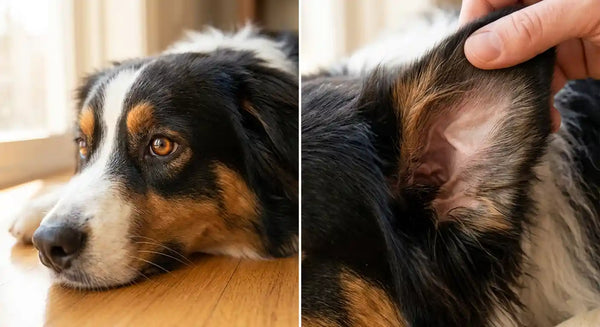
Let's start with the eyes, because that's usually the first thing we notice when a dog looks sick, right? Healthy dog eyes should be bright, clear, and free from gunk. You know that little crusty stuff in the corner sometimes? A tiny bit in the morning is whatever — happens to all of us. But if you're seeing green or yellow discharge, or if the white part of their eye looks red and angry, that's your signal to call the vet. Also check if their eyes are following you around the room normally. Max tracks me like a security camera when I'm holding a treat — that's the level of alertness you wanna see.
Now ears. Oh man, ears can be so deceptive. A dog can act totally fine while brewing a nasty ear infection. For how to tell if your dog is healthy without going to vet, the ear check is honestly one of the most reliable things you can do at home. Smell their ears. I know that sounds weird, but healthy ears shouldn't smell like much of anything. If you get hit with a funky smell — sometimes described as musty or sweet, like corn chips — that's often a yeast or bacterial issue. Also look inside: the skin should be pale pink, not red or swollen. And if your dog yelps when you touch their ears or starts shaking their head a ton, that's not normal behavior.
I remember one time Max started rubbing his face on the carpet like he was trying to erase himself from existence. I blew it off for a couple days thinking he was just being weird (which, tbh, he often is). Turned out he had a foxtail stuck deep in his ear canal. Cost me $300 at the emergency vet and about a year off my life from stress. So yeah, learn from my dumb mistake — check those ears regularly. A true dog health check at home includes getting up close and personal with every ear fold and crevice.
While you're up near their face, check their nose. Contrary to that old wives' tale about healthy dogs needing cold wet noses, what does a healthy dog nose look like actually varies a ton. Some dogs have dry warm noses and that's totally their normal. The real thing to watch for is discharge — clear is fine, but thick yellow or green stuff alongside other symptoms like lethargy or coughing? That's vet time.
Healthy Dog Coat Signs and Dog Healthy Coat Care
Okay, I'm about to get real passionate about this next part because the coat is such an underrated health signal. Healthy dog coat signs include shine, smooth texture, and no bald patches or excessive flaking. Run your hand over your dog's back against the direction of their fur — it should spring back into place, not stay all parted and greasy-looking. A dull, brittle coat can mean anything from nutritional deficiencies to thyroid problems.
A proper dog physical exam at home means getting your hands all over your dog's body. Feel for lumps and bumps as you go. Most lumps are benign fatty tumors called lipomas, especially in older dogs, but you want to know where they are and whether they're growing or changing shape. My aunt's lab had a lump on his side that she monitored for two years before it started growing — caught it early because she knew exactly what size it was supposed to be.
The dog healthy coat signs checklist also includes checking for parasites. Part their fur in several spots and look for little black specks (flea dirt) or actual moving bugs. Even indoor dogs can get fleas — ask me how I know. Max brought home fleas from a playdate with my neighbor's dog, and I didn't notice until he started scratching like crazy. Now I do a quick visual scan every time he comes back from being around other dogs.
Oh, and don't forget to check their paw pads while you're down there. Cracked, dry pads can be a sign of zinc deficiency or just winter weather. And between the toes? That's a hotspot for foxtails, burrs, and little cuts. Max once got a piece of glass stuck in his paw pad on a walk and didn't even limp — I only found it because I do this weekly check. You'd be amazed what dogs will just live with without complaining.
Maintaining a Healthy Dog Weight and Body Condition
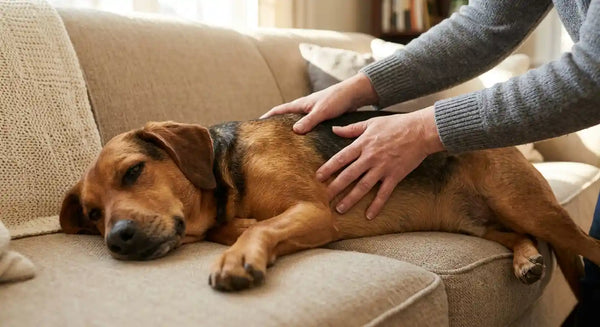
This is probably the single biggest factor in your dog's lifespan and quality of life. I'm not exaggerating. That AKC stat I mentioned earlier — obese dogs live two years less — that should scare you. It scares me. Two more years of belly rubs and fetch and road trips with the window down. That's what's at stake here.
Understanding Healthy Dog Weight and How to Achieve It
So how do you actually know if your dog is at a healthy dog weight? Here's the hands-on test vets use: place your thumbs along your dog's spine and spread your fingers across their ribcage. You should be able to feel each rib without pressing hard, but you shouldn't see them sticking out like an anatomy chart. When you look at your dog from above, there should be an obvious waist behind the ribs. From the side, there should be a tummy tuck — that upward slope from the chest to the hind legs.
The dog health indicators around weight go beyond just numbers on a scale too. Is your dog panting more than usual after short walks? Are they struggling to jump onto the couch like they used to? Do they seem to sleep more than play? These can all be signs that extra pounds are taking a toll on their joints and breathing. VCA Hospitals notes that obesity puts stress on the musculoskeletal system, leading to osteoarthritis and intervertebral disc disease, plus increases risk of diabetes, pancreatitis, and cardiac conditions. [VET-1]
When it comes to how to tell if dog is healthy weight-wise, consistency matters way more than perfection. Set a feeding schedule and stick to it. Measure their food with an actual measuring cup — not a solo cup, not "a scoop." And treats? Those calories add up fast. I break Max's treats into tiny pieces so he thinks he's getting more than he actually is. He's none the wiser, and his waistline thanks me.
My neighbor's beagle was carrying an extra six pounds — doesn't sound like much until you realize that's like a 150-pound human carrying twenty extra pounds. She didn't even notice until her vet pointed it out at a checkup. Now she measures his food, cuts back on table scraps (the beagle's sad eyes are POWERFUL, I get it), and he's lost the weight over six months. The difference in his energy is night and day. That's the power of paying attention to healthy dog weight before it becomes a medical crisis.
Monthly Health Check for Dogs at Home Step by Step
Let me give you my actual monthly health check for dogs at home step by step routine. I do this every first Sunday of the month, and it takes maybe ten minutes total. Set a recurring calendar reminder right now — you'll thank yourself later.
Step one is getting your dog into a calm position. I do this on the floor with Max lying on his side. Start at the nose and work backward. Check their nose for discharge, then open their mouth (gently!) to look at their gums. Healthy gums should be bubblegum pink, not pale white or angry red. Also check their teeth for brown tartar buildup or broken ones.
Then move to the eyes and ears like we talked about. After that, run your hands along their neck and chest, feeling for any unusual lumps or swelling. Check under their collar — that area can get rubbed raw without you noticing because the collar hides it. Then down each leg, feeling the joints for heat or swelling, and checking each paw including between the toes.
A thorough dog health check at home also includes checking their rear end. I know, it's not glamorous. But check for dried poop stuck to their fur, signs of worms that look like rice grains around their anus, or scooting behavior that could mean anal gland issues. Max hates this part, but ten seconds of awkwardness is worth catching a problem early.
Finally, check their energy and behavior. Healthy dog behavior signs include curiosity, playfulness appropriate to their age, and normal interaction with family members. My friend's elderly dachshund stopped greeting her at the door for about two weeks before she realized something was wrong. Turned out he had developed dental pain that made him want to hide. If your dog is suddenly avoiding you or seems withdrawn, that's worth a vet visit even if everything else looks fine.
Recognizing Signs of a Healthy Dog Behavior
Okay so behavior is where a lot of people get confused. Because a dog can have perfect vitals and still be miserable, right? Or they can act crazy-happy but have a hidden health issue. Learning healthy dog behavior signs is about understanding the whole package — not just one or two things.
Understanding Healthy Dog Behavior Signs and How to Encourage Them
A mentally healthy dog shows healthy dog behavior signs like playing with toys, engaging with family, sleeping well through the night, and being curious about their environment. They should wag their tail (not tucked between legs), accept handling without fear, and generally act like a dog. That sounds obvious, but anxiety and depression are real things that affect dogs, especially rescues or dogs who've experienced trauma.
Max was terrified of men in hats for the first two years I had him. No idea what happened before I adopted him, but he'd cower and shake whenever my brother visited wearing a baseball cap. That's not dog health indicators pointing to physical illness — it's trauma. But it still needed addressing through training and patience. Now he's fine, but it took time. Don't mistake behavioral issues for health problems, but also don't dismiss behavior changes that could signal pain or illness.
One underrated signs your dog is healthy and happy is what I call the "morning wiggle." You know that full-body wag dogs do when they see you after you've been gone? The one where their butt is basically doing its own separate dance? That's a dog who feels safe and loved and physically good. Dogs in pain don't wiggle like that. Dogs who are depressed don't wiggle like that. So when you get the wiggle, celebrate it. And maybe capture it on video because honestly it's the best thing on the internet.
When I'm trying to answer how to tell if dog is healthy behaviorally, I also watch their sleep patterns. Healthy adult dogs sleep about 12-14 hours a day. Puppies and seniors sleep more. So don't panic if your dog is napping — that's normal. But pay attention if they're sleeping way more than usual, or if they can't seem to get comfortable and keep shifting positions. Those subtle changes are often the first signs that something's off.
Signs Your Dog is Healthy and Happy - What to Look For
Let me paint you a picture of a truly healthy, happy dog. They wake up with energy (even if it's just a tail thump and a stretch), they're excited about meals, they want to go outside and sniff ALL the things, they engage in play, they settle down when it's time to rest, and they seek out affection from their favorite people. Signs your dog is healthy and happy also include a good appetite, consistent potty habits, and a general sense of contentment.
One thing people miss is that healthy isn't the same as hyper. A calm, relaxed dog who naps peacefully between walks is usually a healthier dog than one who's bouncing off the walls 24/7 because they never learned to self-regulate. Max has two modes: goblin mode during fetch, and "I'm a cozy potato" during Netflix time. That balance is healthy. If he was amped up all the time, that would actually worry me.
Part of maintaining dog healthy coat signs and good behavior is making sure they get enough mental stimulation. Bored dogs act out — chewing shoes, barking at nothing, getting into the trash. That's not necessarily a health problem, but chronic stress from boredom CAN lead to actual health issues over time. So rotate their toys, teach them new tricks, take different walking routes. A stimulated brain supports a healthy body.
And here's something I wish someone had told me years ago — normal dog poop is a whole topic. How often should a healthy dog poop depends on their age, diet, and individual metabolism. Most adult dogs go once or twice a day. Puppies go more often, sometimes after every meal. The poop itself should be firm but not hard, log-shaped, and brown. If it's consistently runny, black and tarry, or has blood or mucus, that's a vet visit. And if your dog strains to poop but nothing comes out, that's an emergency — could be a blockage.
Conclusion and Next Steps
We covered a lot of ground here. From bright eyes to wiggly butts, from what what does a healthy dog nose look like to how often should a healthy dog poop (sorry not sorry, poop health matters). You now have a complete framework for assessing your dog's health at home, and more importantly, for catching problems before they become emergencies.
What Does a Healthy Dog Nose Look Like and How Often Should a Healthy Dog Poop
Just to circle back on those two specific questions because they come up constantly in the comments on my other posts. What does a healthy dog nose look like? It can be wet or dry, cool or warm. Seriously, don't get hung up on that old myth. What matters is that it's free from thick discharge, doesn't have sores or crusty lesions, and your dog isn't rubbing it constantly. A healthy nose is a functional nose — that's really the standard.
And for how often should a healthy dog poop, I tell people to worry less about the exact number and more about consistency. If your dog has always pooped once a day and suddenly starts going four times, investigate. If they usually go three times and now they're straining to go once, investigate. The dog health indicators in their bathroom habits are all about changes from baseline. Keep a mental note of what's normal for your individual dog.
Creating a Healthy Dog Checklist and Sticking to It
Here's my challenge to you. Take the next ten minutes and write down your own healthy dog checklist. Not mine — yours. What does YOUR dog look like when they're at their best? What's their normal energy level, their normal appetite, their normal poop schedule, their normal sleeping position? Write it down somewhere you can reference it. Then do a full head-to-tail check this weekend.
The signs of a healthy dog are mostly about knowing what's normal for YOUR specific furbaby. Yeah, there are universal red flags — seizures, not eating for more than 24 hours, labored breathing — but a lot of what does a healthy dog look like comes down to knowing your dog's individual quirks and rhythms.
I'll leave you with this. Max is snoring next to me right now, one of those deep contented snores that makes his lips flap a little. His coat is soft, his eyes are clear, and earlier today he did a full-speed sprint across the dog park chasing a tennis ball like he was still a puppy even though he's technically a senior now. That's what does a healthy dog look like to me. Not perfect. Not Instagram-filtered. Just... alive and happy and comfortable in his own skin. That's the goal. That's always the goal.
Key Stats at a Glance
According to the American Pet Products Association, over 65% of U.S. households own a pet, and regular home health checks are associated with earlier detection of common health issues. Research cited by the AKC shows that maintaining a healthy weight can add up to two years to a dog's lifespan. Based on Paw Vortex customer feedback, dog parents who perform weekly at-home health checks report feeling more confident about recognizing early warning signs and make fewer unnecessary emergency vet visits.

About Paw Vortex
Paw Vortex is your trusted partner in pet care — design-forward, expert-curated solutions for every stage of your pet's journey.
hello@pawvortex.com · www.pawvortex.com · Facebook · Instagram · YouTube
How to tell if your dog is healthy without going to vet?
What does a healthy dog nose look like?
How often should a healthy dog poop?
What are the signs of a healthy dog?
How to create a healthy dog checklist?
What are the importance of regular health checks for dog health indicators?
How to maintain a healthy dog weight and body condition?
What are the signs your dog is healthy and happy?
References
- AKC. (2026). How Long Do Dogs Live?. Retrieved 2026-05-02, from https://www.akc.org/expert-advice/health/how-long-do-dogs-live/
- Cornell Feline Health Center. (2026). Feline Immunodeficiency Virus (FIV). Retrieved 2026-05-02, from https://www.vet.cornell.edu/departments-centers-and-institutes/cornell-feline-health-center/health-information/feline-health-topics/feline-immunodeficiency-virus
- AKC. "Puppy Health". Retrieved 2026-04-27. https://www.akc.org/expert-advice/health/puppy-health/
- VCA Animal Hospitals. (2026). Polycystic Kidney Disease in Dogs. Retrieved 2026-05-02, from https://vcahospitals.com/know-your-pet/kidney-disease-in-dogs
- VCA Hospitals. "Obesity in Dogs". Retrieved 2026-04-28. https://vcahospitals.com/know-your-pet/obesity-in-dogs
- VCA Animal Hospitals. (2026). Diarrhea in Dogs. Retrieved 2026-05-02, from https://vcahospitals.com/know-your-pet/diarrhea-in-dogs


