

Chronic Kidney Disease (CKD) affects approximately 1 in 3 cats and 1 in 10 dogs during their lifetime, making it one of the most common conditions facing our senior pets. While the diagnosis can feel overwhelming, understanding the modern approach to CKD management can help your pet maintain quality of life for years to come.
Understanding CKD: It's More Common Than You Think
CKD is a progressive condition where the kidneys gradually lose their ability to filter waste from the blood. While kidney damage is usually irreversible, early detection and proper management can significantly slow progression and maintain your pet's comfort.
Key Risk Factors:
-
Age (most common in pets over 7 years)
-
Certain breeds (Persian cats, Siamese cats, Samoyeds, Bull Terriers)
-
Previous kidney infections or stones
-
Dental disease (bacteria can affect kidney function)
The Modern CKD Staging System (IRIS 2025 Guidelines)

The International Renal Interest Society (IRIS) staging system helps veterinarians create tailored treatment plans. Here's what pet parents need to know:
| Stage | Serum Creatinine | What It Means | Key Actions |
|---|---|---|---|
| Stage 1 | Normal range | Early damage detected through other tests | Focus on identifying underlying causes |
| Stage 2 | Mild elevation | Early kidney insufficiency | Begin renal diet, monitor blood pressure |
| Stage 3 | Moderate elevation | Moderate kidney failure | Medical management, symptom control |
| Stage 4 | Severe elevation | Advanced kidney failure | Quality of life focus, intensive support |
Essential Management Strategies by Stage
Early Stage (1-2): The Prevention Focus
Dietary Management: Transition to a veterinary renal diet that's:
-
Low in phosphorus
-
Controlled protein quality
-
Added omega-3 fatty acids
-
Alkalinizing to combat acidosis
PawVortex Support: While prescription diets are essential, our Smart Pet Water Dispenser encourages hydration, and Automatic Pet Feeders help with precise portion control.
Middle Stage (3): Active Management
Medical Support May Include:
-
Blood pressure medications
-
Phosphate binders
-
Potassium supplementation
-
Appetite stimulants when needed
PawVortex Support: For pets with decreased appetite, try our Interactive Food Dispenser Toys to make mealtime more engaging.
Advanced Stage (4): Comfort Care
Quality of Life Focus:
-
Subcutaneous fluids at home
-
Anti-nausea medications
-
Appetite stimulants
-
Regular veterinary monitoring
At-Home Support: How You Can Help
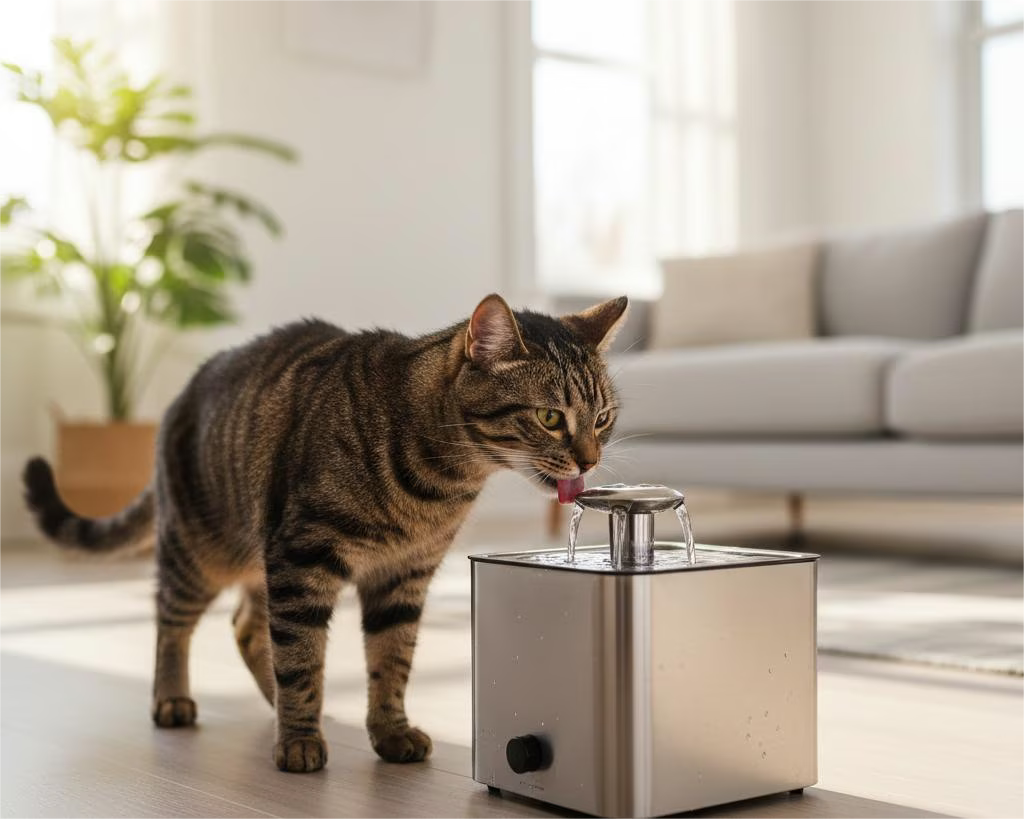
Hydration is Everything
CKD pets often struggle with dehydration. Encourage water intake with:
-
Multiple water stations
-
Water fountains (many cats prefer running water)
-
Wet food rather than dry
-
Ice cubes made from low-sodium broth

Nutritional Support
What to Look For:
-
High-quality protein in controlled amounts
-
Reduced phosphorus levels
-
Added omega-3s from fish oil
-
Potassium supplementation as needed
Environmental Comfort
Pets with CKD may feel nauseous or weak. Ensure they have:
-
Easy access to food, water, and litter boxes
-
Comfortable, warm bedding
-
Peaceful resting areas
PawVortex Support: Our Cozy Pet Beds and Cooling Mats help maintain comfortable body temperature.
Monitoring Your Pet's Condition
Watch for These Signs:
-
Increased thirst and urination
-
Decreased appetite
-
Weight loss
-
Lethargy
-
Bad breath (from toxin buildup)
-
Vomiting or nausea
Essential Veterinary Monitoring:
-
Blood work every 3-6 months
-
Urine testing
-
Blood pressure checks
-
Weight tracking
Hope and Realistic Expectations

While CKD is a serious diagnosis, many pets live 2-4 years or longer with proper management. The key is early detection and consistent care.
Remember: You know your pet best. Work closely with your veterinarian to create a personalized plan that maintains their quality of life.

CKD Care Essentials from PawVortex
Managing CKD requires consistent care and the right tools. We've curated products to support your journey:
| Need | PawVortex Solution |
|---|---|
| Hydration Support | Smart Water Fountains |
| Precise Feeding | Automatic Feeders |
| Comfort & Rest | Orthopedic Pet Beds |
| Clean Environment | Smart Odor Eliminators |
Download our FREE "CKD Pet Care Checklist" to track symptoms, medications, and veterinary appointments in one place!
Information based on 2025 IRIS Guidelines and current veterinary practice. Always consult your veterinarian for diagnosis and treatment plans tailored to your pet's specific needs.


