

Summary:
- Major Health Risks: Maine Coons are predisposed to Hypertrophic Cardiomyopathy (HCM), Hip Dysplasia, and Spinal Muscular Atrophy.
- Key Prevention Strategy: Proactive, preventive care including genetic testing, annual echocardiograms, weight management, and joint support is non-negotiable.
- Lifespan Goal: With diligent care, Maine Coons can live a full 12-15+ years, despite their genetic vulnerabilities.
- Your Role: You are your cat's greatest health advocate. Early detection through vigilant observation and veterinary partnership is critical.
Your Maine Coon is more than a pet; they're a gentle giant, a family member with a larger-than-life personality. But their impressive size and unique genetic heritage come with specific health vulnerabilities that every responsible owner must understand. This guide explains the most common health issues in Maine Coon cats and provides a clear, actionable prevention plan to help your feline companion live their longest, healthiest life. As empathetic authorities in pet care, we at PawVortex recognize the worry that comes with loving a breed prone to certain conditions. Our goal is to replace fear with knowledge and empower you with practical steps. This comprehensive wellness guide, over 4,000 words, is designed specifically for Maine Coon owners in the USA, blending veterinary insights with real-world care strategies.
Table of Contents
- Introduction to Maine Coon Health: The Gentle Giant's Unique Needs
- Hypertrophic Cardiomyopathy (HCM): The #1 Threat to Maine Coon Hearts
- Hip Dysplasia: Not Just a Dog Problem
- Spinal Muscular Atrophy (SMA): A Genetic Neurological Condition
- Polycystic Kidney Disease (PKD): A Manageable Threat
- The Battle with Obesity: Keeping Your Giant Lean
- Dental Disease: Protecting Those Famous Tufted Jaws
- Building a Preventive Care Shield: Nutrition, Exercise, and Environment
- The Veterinary Partnership: Essential Screenings & Schedule
- Life Stages and Longevity: Caring for Your Maine Coon Through the Years
- Statistics: The Data Behind Maine Coon Health
- Safe Alternatives & Proactive Solutions: Your 5-Point Prevention Plan
- Key Takeaways and Final Thoughts on Maine Coon Wellness
Jump to any section by clicking the links above.
Introduction to Maine Coon Health: The Gentle Giant's Unique Needs
The Maine Coon's Genetic Blueprint and Risks
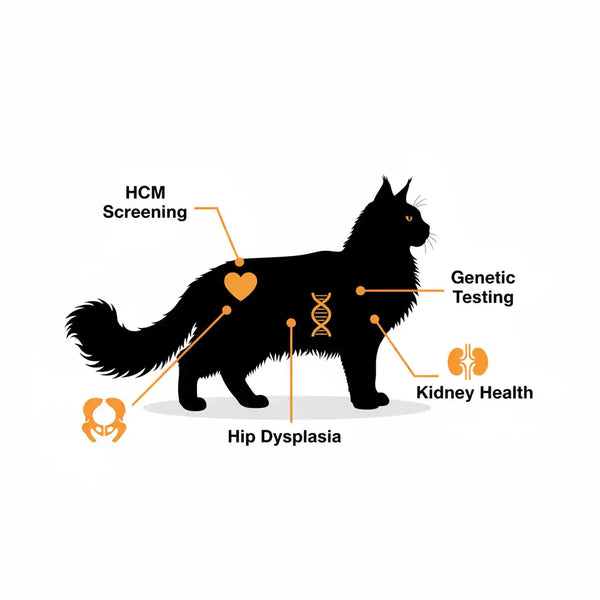
Maine Coon cats are a magnificent blend of strength, intelligence, and gentle demeanor, but their very DNA carries the blueprint for both their grandeur and their susceptibility to certain Maine Coon genetic diseases. As one of the largest domestic cat breeds, their substantial bone structure and muscular build put unique stresses on their joints and heart. Furthermore, a relatively limited gene pool from their foundational breeding has concentrated specific hereditary conditions. Understanding this isn't meant to alarm you, but to empower you. A Maine Coon health guide like this one starts with acknowledging that common Maine Coon health problems are often predictable, and therefore, preventable or manageable with early intervention.
| Characteristic | Health Implication | Preventive Focus |
|---|---|---|
| Large Size & Heavy Frame | Increased risk for joint stress (Hip Dysplasia), obesity | Weight management, joint-supporting diet, low-impact exercise |
| Genetic Predisposition to HCM | High prevalence of heart muscle thickening | Annual cardiac ultrasound (echo), genetic testing |
| Long, Dense Coat | Hairballs, skin matting, can mask weight loss or muscle wasting | Regular grooming, tactile health checks during brushing |
A Proactive Approach: Why Preventive Care is Everything for This Breed
For Maine Coons, a reactive approach to health—waiting for symptoms to appear—can mean missing a crucial window for effective treatment. Maine Coon preventive care is a philosophy of active stewardship. It answers the owner's question, "how to reduce health risks in Maine Coon cats?" before it becomes a crisis. This involves a scheduled partnership with your vet, informed home monitoring, and lifestyle choices that mitigate genetic risks. The goal isn't just to treat Maine Coon cat health issues, but to delay their onset or lessen their severity, ensuring more quality years with your gentle giant.
| Frequency | Action Item | Purpose |
|---|---|---|
| Daily | Observe appetite, energy, litter box habits, breathing at rest. | Establish a "normal" baseline for early symptom detection. |
| Monthly | Weigh your cat; perform a gentle tactile check over body and joints. | Monitor for subtle weight gain/loss or signs of pain/discomfort. |
| Semi-Annually | Professional veterinary wellness exam. | Early detection through professional palpation, listening, and observation. |
| Annually (from age 3) | Cardiac ultrasound (echocardiogram) by a specialist. | Gold-standard screening for Hypertrophic Cardiomyopathy (HCM). |
Takeaway: Your Maine Coon's unique genetics require a unique healthcare strategy. Knowing their vulnerabilities is the first step in protecting them.
Hypertrophic Cardiomyopathy (HCM): The #1 Threat to Maine Coon Hearts
Hypertrophic Cardiomyopathy in Maine Coons is the most critical health concern for the breed. HCM is a disease where the heart muscle thickens abnormally, making it harder for the heart to pump blood effectively. It's often called a "silent killer" because cats are masters at hiding illness, and a seemingly healthy cat can have significant disease. Maine Coon heart disease from HCM is so prevalent that it should be a primary focus of any Maine Coon health guide.
What is HCM? Understanding This Silent Heart Disease
In HCM, the left ventricle wall thickens. This reduces the chamber's volume and can disrupt the mitral valve's function, potentially leading to blood clots, congestive heart failure, or sudden cardiac death. A genetic mutation (MYBPC3-A31P) has been identified in Maine Coons, making genetic testing a valuable tool, though not all HCM is tied to this single mutation. Regular screening is essential regardless of test results.
| Statistic | Detail | Implication for Owners |
|---|---|---|
| Genetic Prevalence | ~30-50% of Maine Coons may carry a genetic mutation associated with HCM. | Genetic testing is recommended, but does not replace annual ultrasound screening. |
| Age of Onset | Can develop as early as 6 months, but often presents between 3-7 years old. | Start annual echocardiograms at age 3, or earlier if a murmur is detected. |
| Screening Method | Echocardiogram (ultrasound) is the gold standard. A stethoscope exam alone is insufficient. | Insist on a referral to a veterinary cardiologist for accurate diagnosis. |
Early Warning Signs: How to Spot Subtle Symptoms at Home
Learning what are the earliest signs of heart disease in Maine Coons can save a life. Symptoms are often vague. Ask yourself, "how do I spot hypertrophic cardiomyopathy in a Maine Coon?" Look for: labored or rapid breathing (especially at rest), open-mouth breathing, sudden hind-leg paralysis (from a blood clot), lethargy, and reduced appetite. A critical question is "when should I worry about breathing problems in Maine Coon cats?" The answer: immediately. Count the breaths per minute while your cat is sleeping (normal is under 30). If it's consistently over 35, contact your vet.
| Potential HCM Symptom | What's Normal? |
|---|---|
| Rapid chest movement while sleeping (>35 breaths/min) | Smooth, slow breathing while sleeping (<30 breaths/min) |
| Sudden collapse or dragging hind legs | Occasional lazy stretching or playful rolling |
| Lethargy lasting more than 24 hours | A long nap after active play |
Diagnosis and Management: Working with Your Veterinarian
Diagnosis involves a physical exam (listening for murmurs, checking pulses), chest X-rays, and most definitively, an echocardiogram performed by a veterinary cardiologist. Management focuses on improving heart function, preventing clots, and reducing fluid buildup. This often includes medications like beta-blockers or blood thinners. At home, you can support a cat with HCM by minimizing stress. A Calming Cat Bed in a quiet space provides security. For cats with breathing difficulties, an Elevated Cat Dish can make eating and drinking easier by reducing neck strain.
Takeaway: HCM is a serious but manageable condition. Annual echocardiograms and vigilant home observation are non-negotiable components of responsible Maine Coon ownership.
Hip Dysplasia: Not Just a Dog Problem
Many are surprised to learn that hip dysplasia in cats is a real issue, and Maine Coons are the breed most commonly affected. This malformation of the hip joint, where the ball and socket don't fit properly, leads to instability, wear-and-tear arthritis, and pain. For a large, active cat, this can severely impact quality of life, making Maine Coon joint care a priority.
Unstable Joints: How Hip Dysplasia Affects Large Cats
The condition is developmental, often starting in kittenhood. The laxity in the joint causes abnormal movement, which leads to inflammation and, over time, degenerative joint disease (osteoarthritis). The sheer size and weight of a Maine Coon exacerbate the mechanical stress on these poorly formed joints.
| Aspect | Typical in Dogs | Typical in Maine Coons |
|---|---|---|
| Primary Cause | Largely genetic, influenced by rapid growth & diet. | Strong genetic component, combined with large breed size. |
| Common Symptoms | Obvious lameness, "bunny-hopping" gait, pain. | Subtle: reluctance to jump, decreased activity, stiffness after rest. |
| Diagnosis | X-rays under sedation, physical exam. | X-rays under sedation, often incidental finding during other exams. |
Spotting Mobility Issues: Lameness, Gait Changes, and Reluctance
Cats are stoic. They won't yelp in pain. Instead, you must become a detective. What are signs of hip dysplasia in Maine Coon cats? Watch for: hesitation or refusal to jump onto favored perches, a stiff or wobbly gait after waking up, reduced interest in play, over-grooming the hip area, or audible "clicking" from the hips. You may notice the cat sitting with the affected leg splayed out awkwardly.
| Activity | Sign of Potential Problem |
|---|---|
| Jumping Up | Takes multiple attempts, looks for "steps," or stops altogether. |
| Jumping Down | Lands awkwardly or stiffly, may "thud" instead of landing gracefully. |
| Running/Playing | Short bursts followed by long rest, avoids sudden turns or leaps. |
| Posture at Rest | Sits with one leg extended, or lies down carefully/slowly. |
Treatment and Supportive Home Care Strategies
Treatment for how is Maine Coon hip dysplasia treated ranges from weight management and physical therapy to pain medication (NSAIDs), joint supplements (glucosamine/chondroitin), and in severe cases, surgery (femoral head ostectomy or total hip replacement). Home care is paramount. Provide an Orthopedic Cat Bed to cushion joints. Use a Pet Ramp for High Surfaces to allow access to favorite window perches or your bed without painful jumping. Keep litter boxes low-sided and easily accessible.
Takeaway: Hip dysplasia is a common cause of silent pain in Maine Coons. Environmental modifications and weight control are your first lines of defense against arthritis.
Spinal Muscular Atrophy (SMA): A Genetic Neurological Condition
Spinal muscular atrophy in cats is a recessive genetic disorder specific to Maine Coons. It affects the nerve cells in the spinal cord that control skeletal muscles, leading to progressive muscle weakness and wasting. Unlike HCM, SMA is not painful or fatal, but it does impact mobility. Responsible breeders test for this condition.
The SMA Gene: Understanding This Inherited Disorder
A kitten must inherit two copies of the defective gene (one from each parent) to be affected. Carriers (one copy) are normal. The disease causes a loss of motor neurons, leading to muscle atrophy, particularly in the limbs and trunk. It's usually apparent by 3-4 months of age.
| Genetic Status | Genotype | Outcome | Breeding Recommendation |
|---|---|---|---|
| Normal | N/N | No SMA gene, cannot pass it on. | Safe to breed. |
| Carrier | N/SMA | Healthy but carries one copy. Can pass it to offspring. | Breed only to Normal (N/N) mates. |
| Affected | SMA/SMA | Will develop SMA symptoms. | Should not be bred. |
Recognizing SMA Symptoms: Tremors, Weakness, and Muscle Wasting
If you're wondering, "how do I know if my Maine Coon has spinal muscular atrophy?" look for a distinctive "bunny-hopping" gait in the hind legs (they move together), a swayback posture, prominent shoulder blades, and generalized muscle tremors, especially when excited. The cat will be clumsy and have difficulty with precise movements like grooming hard-to-reach spots, but they are typically bright, alert, and have a normal appetite.
| Milestone | Typical Age | SMA Kitten Observation |
|---|---|---|
| Steady, coordinated walking | 4-5 weeks | Persistent wobbliness, unusual gait. |
| Jumping onto low surfaces | 8-10 weeks | Difficulty generating power for jumps; may fall. |
| Efficient self-grooming | 10-12 weeks | Coat may appear unkempt, especially on back and hindquarters. |
Living with SMA: Creating a Safe and Supportive Environment
There is no cure for SMA, but affected cats can live full, happy lives with some adaptations. The goal is to prevent injury from falls and slips. Use Non-Slip Pet Mats near food/water stations and litter boxes. Provide a Low-Entry Litter Box for easy access. Keep their environment on one level if possible, or use ramps instead of expecting jumps. Regular, gentle grooming from you will help maintain their coat since self-grooming is challenging.
Takeaway: SMA is a manageable, non-painful condition. Genetic testing before breeding is the key to eliminating it, and home modifications ensure a great quality of life for affected cats.
Polycystic Kidney Disease (PKD): A Manageable Threat
While more famously associated with Persian cats, PKD in Maine Coon cats does occur. It's an inherited disorder where fluid-filled cysts develop in the kidneys, gradually replacing healthy tissue and impairing function over time. Proactive management of kidney health in Maine Coons is vital for long-term wellness.
Kidney Cysts and Function: What PKD Entails
The cysts are present from birth but grow slowly. They don't cause problems in kittens, but as the cat ages, the enlarging cysts destroy more and more functional kidney tissue, eventually leading to chronic kidney disease (CKD). The rate of progression varies greatly from cat to cat.
| Stage | Typical Age | What's Happening | Clinical Signs |
|---|---|---|---|
| Early (Latent) | Birth - 3 years | Small cysts present; kidney function normal. | None. Detectable only via ultrasound. |
| Middle | 3 - 7 years | Cysts enlarge; some loss of kidney reserve. | Subtle: slight increase in water drinking, occasional vomiting. |
| Late (Renal Failure) | 7+ years | Significant tissue loss; kidney function severely compromised. | Classic CKD signs: weight loss, poor appetite, bad breath, lethargy. |
Symptoms of Feline Kidney Disease: What to Monitor
The question "can Maine Coon cats get kidney disease?" is yes, and PKD is one cause. Early signs are subtle: increased thirst and urination, mild weight loss, and a less shiny coat. As it progresses, you'll see more pronounced weight loss, vomiting, loss of appetite, bad breath (uremic odor), and lethargy. The single best thing you can do at home is encourage water intake. A Cat Water Fountain provides fresh, moving water that is more enticing to cats, promoting better hydration to support kidney function.
| Category | Early Stage Indicators | Late Stage (Crisis) Signs |
|---|---|---|
| Hydration | Water bowl empties slightly faster. | Constantly at water bowl, may drink from taps. |
| Litter Box | Clumps are larger/wetter. | Very large clumps, possible urination outside box. |
| Appetite & Weight | Pickier eater, slight weight fluctuation. | Severe weight loss, complete anorexia. |
| Behavior | Mild decrease in playfulness. | Hiding, profound lethargy, weakness. |
Management Through Diet, Hydration, and Veterinary Care
Management focuses on supporting remaining kidney function. This includes a prescription kidney diet (low phosphorus, high-quality protein), ensuring excellent hydration (fountains, wet food), and regular vet check-ups with blood pressure monitoring and urine tests. An Automatic Pet Feeder can help manage portion sizes and feeding times for a prescribed diet, ensuring consistency. Early diagnosis via ultrasound is key, allowing for intervention long before symptoms become severe.
Takeaway: PKD is a slow, insidious disease. Proactive screening and a lifelong focus on hydration are the best ways to support your Maine Coon's kidney health.
The Battle with Obesity: Keeping Your Giant Lean
Maine Coon obesity prevention is one of the most impactful health interventions you can make. Extra weight exponentially increases the risk and severity of nearly every other common issue: it strains an HCM-affected heart, destroys dysplastic hips, accelerates kidney disease, and makes grooming difficult. A lean Maine Coon is a healthier, more mobile, and longer-lived Maine Coon.
Why Maine Coons Are Prone to Weight Gain
Their large frame can mask fat, leading owners to underestimate their true body condition. They are often less frenetically active than smaller cats as adults, but retain a hearty appetite. Combined with an indoor lifestyle and ad-lib feeding, it's a recipe for gradual, sneaky weight gain.
| Life Stage | Average Weight | Daily Calorie Estimate* | Key Nutritional Focus |
|---|---|---|---|
| Kitten (4-12 mos) | 5-15 lbs | 250-400+ kcal | High protein/fat for growth; multiple meals. |
| Adult (1-7 yrs) | 12-18 lbs (F), 15-25 lbs (M) | 280-400 kcal | Weight maintenance, joint support. |
| Senior (8+ yrs) | Varies, aim for lean weight | 250-350 kcal | High-quality protein, easily digestible, kidney/heart support. |
*Consult your veterinarian for a precise calorie count based on your cat's specific needs and body condition.
Determining a Healthy Weight: Body Condition Scoring for Large Cats
Forget the number on the scale alone. A 20-pound Maine Coon can be obese or muscular. You must learn to assess Body Condition Score (BCS). How can I help prevent obesity in my Maine Coon? Start by feeling their ribs: you should be able to easily feel them with a slight fat covering, like the back of your hand. There should be a visible waist when viewed from above, and the belly should not sag. Perform this check monthly.
| BCS (1-9 Scale) | Rib Feel | Waist (Top View) | Abdominal Tuck (Side View) |
|---|---|---|---|
| 1-3 (Underweight) | Very prominent, no fat cover. | Severe hourglass. | Severe tuck. |
| 4-5 (Ideal) | Easily felt with slight padding. | Clearly visible. | Apparent tuck. |
| 6-9 (Overweight-Obese) | Difficult to feel under fat. | Absent or bulging. | Sagging belly, no tuck. |
Exercise and Diet Solutions for an Indoor Lifestyle
Answering "what exercise prevents Maine Coon obesity?" involves scheduled play. Two 15-minute interactive play sessions daily are ideal. Use toys for maine coon cats that mimic prey to trigger their hunting instinct. For diet, measured meals are essential. Free-feeding is a major risk factor. Tools like an Automatic Pet Feeder provide precise portion control. A Slow Feed Cat Bowl can prevent gulping and encourage slower, more mindful eating. Most importantly, invest in an Interactive Cat Toy Set to keep them mentally and physically engaged, turning calories into activity.
| Component | Weight Loss Plan | Weight Maintenance Plan |
|---|---|---|
| Daily Calories | ~20% less than maintenance (set by vet). | Calculated to maintain ideal BCS (4-5). |
| Feeding Frequency | 3-4 small meals to manage hunger. | 2-3 measured meals. |
| Food Type | High-protein, high-fiber prescription or weight management diet. | High-quality adult maintenance diet, possibly with joint support. |
| Exercise Goal | Increase gradually; low-impact to protect joints. | Sustained, regular interactive play. |
| Weigh-Ins | Every 2 weeks to track progress. | Monthly to catch early gains. |
Takeaway: Obesity is a preventable disease. Portion control, scheduled feedings, and daily interactive play are the pillars of keeping your gentle giant at a healthy, joint-sparing weight.
Dental Disease: Protecting Those Famous Tufted Jaws
Maine Coon dental health is often overlooked but critically important. Dental disease is one of the most common health issues in all cats, and Maine Coons are no exception. Bacteria from dental infections can enter the bloodstream and damage the heart, kidneys, and liver—organs already at risk in this breed.
Common Dental Issues in Maine Coons: Gingivitis, Resorptive Lesions
So, what dental problems do Maine Coons get? The main culprits are: Periodontal Disease: Plaque hardens into tartar, causing inflamed gums (gingivitis) that can progress to destroy the bone supporting the teeth. Tooth Resorption (FORL): Painful lesions where the tooth structure is literally eaten away by the body's own cells. These are common and require tooth extraction. Stomatitis: A severe, painful inflammation of the entire mouth, though less breed-specific.
| Stage | Condition | Symptoms | Treatment |
|---|---|---|---|
| 1 | Gingivitis | Red line along gums, bad breath. | Professional cleaning, home care can reverse it. |
| 2-3 | Early/Moderate Periodontitis | Persistent bad breath, tartar buildup, gum recession. | Deep cleaning, possible extractions, antibiotics. |
| 4 | Advanced Periodontitis | Loose teeth, pain, difficulty eating, drooling. | Multiple extractions, pain management. |
At-Home Dental Care Routines That Actually Work
The gold standard is brushing their teeth with a pet-safe enzymatic toothpaste. Start slowly, using a finger brush. If brushing isn't possible, alternatives include dental wipes, water additives, and specially formulated diets or treats. Can dental chews help Maine Coon dental health? Yes, specifically designed dental treats like our Dental Treats for Cats can help reduce plaque through mechanical abrasion. For a comprehensive approach, a Cat Dental Care Kit provides the tools to start a brushing routine.
| Day | Action | Goal |
|---|---|---|
| Daily (Ideal) | Brush teeth for 30-60 seconds. | Disrupt plaque biofilm before it hardens. |
| 3-4x per week | Give a dental treat or use a dental wipe. | Supplemental cleaning and abrasion. |
| Once a week | Lift lips and check gums/teeth for redness, swelling, or broken teeth. | Early detection of problems. |
| As directed by vet | Use prescribed water additive or dental diet. | Chemical/mechanical plaque control. |
The Critical Role of Professional Veterinary Cleanings
Even with perfect home care, professional cleanings under anesthesia are necessary. This allows for a full oral exam, X-rays (crucial for diagnosing resorptive lesions under the gumline), and scaling below the gums where brushes can't reach. For Maine Coons, these cleanings are a key part of Maine Coon preventive care. Discuss with your vet how often your cat needs them, typically every 1-2 years.
| Component | Details | Average Cost Range (USA) |
|---|---|---|
| Pre-anesthetic Bloodwork | Ensures kidneys/liver can handle anesthesia. | $80 - $150 |
| Anesthesia & Monitoring | Essential for a thorough, stress-free cleaning. | $200 - $400 |
| Cleaning, Polishing, X-rays | Full scaling, polishing, and diagnostic dental X-rays. | $300 - $600 |
| Extractions (if needed) | Per tooth, cost varies by complexity. | $100 - $300 per tooth |
Takeaway: Dental health is systemic health. A consistent home care routine combined with regular professional cleanings protects your Maine Coon's mouth, heart, and kidneys.
Building a Preventive Care Shield for Maine Coons
Beyond managing specific diseases, building a holistic shield of Maine Coon preventive care through daily lifestyle choices is what separates good care from exceptional care. This integrated approach directly addresses how to reduce health risks in Maine Coon cats across the board.
The Cornerstone of Health: Breed-Appropriate Nutrition
Nutrition fuels every cell. For Maine Coons, it's about more than calories. What dietary changes help Maine Coon joint health? Look for foods with added glucosamine and chondroitin, omega-3 fatty acids (EPA/DHA), and controlled levels of phosphorus for kidney support. High-quality animal protein is essential for maintaining muscle mass. Feeding posture matters too; an Elevated Cat Dish promotes a more natural, comfortable eating position, reducing neck strain and aiding digestion. Consistency is key—an Automatic Pet Feeder helps maintain a strict schedule for cats on prescription or measured diets.
| Nutrient | Kitten Focus | Adult Maintenance | Senior Support |
|---|---|---|---|
| Protein | Very High (>35%) for growth. | High (>30%) to maintain lean muscle. | High, highly digestible to combat sarcopenia. |
| Fat | High for energy and brain development. | Moderate to prevent obesity. | Moderate, with emphasis on Omega-3s for joints/brain. |
| Joint Supplements | Not typically needed. | Glucosamine/Chondroitin beneficial, especially for large frames. | Highly recommended to support aging joints. |
| Phosphorus | Adequate for bone growth. | Controlled levels. | Lower levels to reduce kidney strain. |
Environmental Enrichment for Physical and Mental Wellbeing
Maine Coon joint care isn't just about supplements; it's about movement. A sedentary cat loses muscle tone, putting more stress on joints. Environmental enrichment encourages natural behaviors. A sturdy Cat Tree for Large Cats provides climbing and perching, working their muscles safely. Rotating an Interactive Cat Toy Set keeps playtime novel and engaging, preventing boredom and promoting exercise.
| Day | Activity | Benefit |
|---|---|---|
| Mon/Wed/Fri | 15-min wand toy session (simulate bird prey). | Cardio, hunting simulation, bonding. |
| Tue/Thu | Food puzzle or snuffle mat for meals. | Mental stimulation, slows eating. |
| Saturday | "Cat TV" - secure window perch with bird feeder view. | Visual stimulation, relaxation. |
| Sunday | Grooming session + gentle massage. | Bonding, coat health, tactile health check. |
Stress Reduction: Its Overlooked Impact on Long-Term Health
Chronic stress elevates cortisol, which can suppress the immune system and exacerbate conditions like HCM and idiopathic cystitis. Creating a predictable, safe environment is crucial. Provide multiple, separated resources (food, water, litter boxes, perches) in multi-cat homes. A Calming Cat Bed with raised edges offers a secure hiding spot. Synthetic feline pheromone diffusers, like those in our Cat Pheromone Diffuser, can create a soothing atmosphere, especially during changes like moving or introducing new pets.
Takeaway: Prevention is a daily practice. The right nutrition, an engaging environment, and a low-stress home work synergistically to build your Maine Coon's resilience against disease.
The Veterinary Partnership: Essential Screenings & Schedule
You are your cat's first line of defense, but your veterinarian is your essential ally and strategist. A proactive veterinary partnership is the engine of effective Maine Coon preventive care. Knowing how often should a Maine Coon see a vet for health checks and what those checks should entail is fundamental.
The Maine Coon-Specific Wellness Exam: What to Expect
A breed-savvy vet will know what to look for. Beyond the standard exam (weight, temperature, listening to heart/lungs), they should carefully palpate joints for laxity or pain, listen intently for subtle heart murmurs (graded I-VI), and check for dental disease. Come prepared with notes on your cat's behavior at home. A comfortable Pet Carrier for Travel makes the trip less stressful for everyone.
| System | What the Vet Checks | Why It's Important for Maine Coons |
|---|---|---|
| Cardiac | Heart murmur grade, rhythm, pulses. | Early detection of HCM; murmurs may be the first sign. |
| Musculoskeletal | Range of motion in hips/knees, muscle tone, gait. | Screen for hip dysplasia, patellar luxation, SMA. |
| Dental/Oral | Gingivitis, tooth resorption, tartar, oral masses. | High prevalence of dental disease; impacts overall health. |
| Body Condition | BCS (1-9), muscle mass scoring. | Obesity prevention and early detection of muscle wasting. |
Genetic and Diagnostic Testing: Peace of Mind Through Science
The question "should I test my Maine Coon for genetic diseases?" has a clear answer: yes, if possible. A simple cheek swab can test for the HCM (MYBPC3) and SMA mutations. This doesn't diagnose active disease but identifies risk, informing breeding decisions and alerting you to be extra vigilant with screening. For PKD, an abdominal ultrasound is the diagnostic tool. Discuss a testing plan with your vet.
| Test | What It Detects | When to Do It | Limitations |
|---|---|---|---|
| HCM Genetic Test (MYBPC3) | Presence of a specific mutation linked to HCM. | Any age, ideally before breeding. | Does NOT diagnose HCM; not all HCM is caused by this one gene. |
| SMA Genetic Test | Presence of the recessive SMA gene. | Any age, essential for breeders. | Accurately identifies carriers and affected cats. |
| Echocardiogram | Actual heart structure and function (diagnoses HCM). | Annually from age 3, or if murmur is heard. | Requires a veterinary cardiologist; more expensive. |
| Abdominal Ultrasound | Kidney cysts (PKD), other organ structure. | Once as a baseline, or if kidney disease is suspected. | May require referral to a specialist. |
Vaccinations and Parasite Prevention Tailored to Lifestyle
What vaccinations are important for Maine Coon cats? Core vaccines (FVRCP, Rabies) are essential for all cats. Non-core vaccines (FeLV) depend on lifestyle (indoor/outdoor risk). Discuss a personalized protocol with your vet. Remember, even indoor cats need year-round parasite prevention for fleas, ticks, and heartworms, which can be carried indoors.
| Vaccine | Protects Against | Initial Series (Kitten) | Booster Frequency (Adult) | Indoor-Only Recommendation |
|---|---|---|---|---|
| FVRCP (Core) | Feline Viral Rhinotracheitis, Calicivirus, Panleukopenia. | 3 doses, 3-4 weeks apart. | Every 3 years (per AAFP guidelines). | YES, essential. |
| Rabies (Core) | Rabies virus (required by law). | Single dose at 12-16 weeks. | Annually or every 3 years (based on vaccine type/local law). | YES, legally required. |
| FeLV (Non-Core) | Feline Leukemia Virus. | 2 doses, 3-4 weeks apart. | Annually for at-risk cats. | Maybe, if exposed to other cats or escape risk. |
Takeaway: Your veterinarian is your co-pilot. Schedule semi-annual wellness exams, embrace recommended screenings, and maintain a tailored vaccination/parasite plan to build a comprehensive health defense.
Life Stages and Longevity: Caring for Your Maine Coon
A Maine Coon's health needs evolve dramatically from a clumsy kitten to a regal senior. Understanding these stages allows you to anticipate and meet their changing requirements, directly impacting the answer to "how long do Maine Coon cats typically live?" With excellent care, 12-15 years is common, with many reaching their late teens.
Kittenhood: Laying the Foundation for a Healthy Life
This is where lifelong habits and health are built. Focus on proper socialization, introducing grooming tools, and starting a high-quality kitten diet. Watch for signs of common Maine Coon health problems that can appear early, like the bunny-hopping gait of SMA. A safe space like a Kitten Playpen can provide secure containment for supervised play and rest.
| Age | Health Focus | Socialization/Behavior | Veterinary Visits |
|---|---|---|---|
| 8-16 weeks | Rapid growth, vaccination series, deworming. | Critical period: expose to people, handling, gentle grooming, household sounds. | Every 3-4 weeks for vaccines and check-ups. |
| 4-6 months | Spay/neuter, transition to adult food formulation begins. | Continue handling all paws, mouth, ears. Introduce clicker training. | Pre-op exam, spay/neuter surgery. |
| 6-12 months | Growth slows, final adult molars come in. Monitor for early HCM signs. | Adolescent phase; reinforce boundaries with positive play. | Final kitten vaccine boosters, rabies vaccine. |
The Prime Adult Years: Maintaining Vigor and Monitoring for Onset
Ages 1-7 are typically the healthiest, but this is precisely when silent conditions like HCM or early kidney disease may begin. This is the time to be most diligent with Maine Coon preventive care screenings. Maintain an active lifestyle with a robust Cat Tree for Large Cats to encourage climbing and maintain muscle tone, which protects joints.
| Metric | How to Track | Ideal/Concerning |
|---|---|---|
| Weight & BCS | Monthly weigh-in, BCS check. | Ideal: Stable weight, BCS 4-5. Concerning: Any upward trend. |
| Resting Respiratory Rate | Count breaths per minute while sleeping, monthly. | Ideal: <30. Concerning: Consistently >35. |
| Water Intake | Observe water bowl level or use a fountain with a meter. | Ideal: Consistent daily amount. Concerning: Sudden increase. |
| Activity Level | Note engagement in play, jumping ability. | Ideal: Consistent daily play. Concerning: New reluctance to jump/play. |
The Senior Giant: Adapting Care for Comfort and Quality of Life
Around age 8-10, Maine Coons enter their senior years. Arthritis, kidney disease, and dental issues become more common. Your focus shifts to comfort and managing age-related conditions. An Orthopedic Cat Bed cushions achy joints. A Pet Ramp for High Surfaces ensures they can still reach their favorite spots. A Heated Cat Mat can provide soothing warmth for stiff muscles. Veterinary exams should increase to every 6 months.
| Care Aspect | Adult (1-7 years) | Senior (8+ years) |
|---|---|---|
| Vet Visit Frequency | Annual wellness exam + annual echo. | Semi-annual wellness exams + continued annual/biannual echo. |
| Diet | Adult maintenance, weight control. | Senior formula; may need kidney/heart/joint support prescription. |
| Home Environment | Enrichment for activity. | Modifications for comfort: ramps, heated beds, low-sided litter boxes. |
| Monitoring Focus | Early disease detection, weight maintenance. | Quality of life, pain management, cognitive function. |
Takeaway: Your care must evolve as your Maine Coon ages. From proactive foundation-building in kittenhood to compassionate comfort care in the senior years, each stage requires a tailored approach to maximize longevity and quality of life.
Statistics: The Data Behind Maine Coon Health
Understanding the prevalence and impact of health conditions helps contextualize risk and prioritize preventive actions. Here is a data-driven look at the key health statistics for the Maine Coon breed, compiled from veterinary studies and breed registries.
| Condition | Prevalence in the Breed | Typical Age of Onset | Impact on Lifespan | Preventive Action Efficacy |
|---|---|---|---|---|
| Hypertrophic Cardiomyopathy (HCM) | Studies suggest 30-50% may carry a genetic mutation; clinical disease prevalence is lower but significant. | 3-7 years (can be earlier or later). | Major cause of premature death; managed cats can live years after diagnosis. | High. Annual screening allows for early medical intervention, improving quality and length of life. |
| Hip Dysplasia | ~20-30% of Maine Coons show radiographic signs, though not all are clinically affected. | Developmental; signs often appear in young adults (1-4 years) or worsen with age. | Rarely fatal, but a major cause of chronic pain and reduced mobility, impacting quality of life. | Moderate-High. Weight control and environmental modifications can dramatically slow progression of arthritis. |
| Spinal Muscular Atrophy (SMA) | Exact prevalence unknown; responsible breeding has reduced it. Carriers are estimated at a notable percentage. | Apparent by 3-4 months of age. | Does not affect lifespan; cats live a normal life span with the condition. | Very High (for prevention). Genetic testing before breeding can eliminate the disease. |
| Polycystic Kidney Disease (PKD) | Less common than in Persians, but occurs. Prevalence estimated <5% in well-screened lines. | Cysts present from birth; kidney failure typically manifests in middle to senior age (7+). | Can lead to fatal kidney failure, but progression is often slow with management. | Moderate. Ultrasound screening identifies affected cats early, allowing for proactive kidney support. |
| Obesity | ~60% of all domestic cats in the US are overweight or obese; Maine Coons are at high risk due to size. | Can begin in young adulthood and accumulate with age. | Reduces average lifespan by up to 2 years and exacerbates nearly all other health issues. | Very High. Completely owner-preventable through diet and exercise management. |
Takeaway: The numbers underscore both the challenges and the opportunities. While genetic risks are real, the data shows that informed, proactive care has a profound ability to mitigate these risks and extend your Maine Coon's healthy years.
Safe Alternatives: Your 5-Point Prevention Plan
Knowledge is power, but action is results. Based on everything we've covered, here is your consolidated, actionable 5-Point Prevention Plan. This is the core answer to "what preventive care do Maine Coon cats need?" Implement these strategies to build a formidable defense against the breed's most common health issues.
- Mandatory Annual Cardiac Ultrasound: Starting at age 3, schedule an echocardiogram with a veterinary cardiologist. This is the single most important screening for HCM. Do not rely solely on genetic tests or stethoscope exams.
- Portion-Controlled, Nutrient-Dense Diet: Feed measured meals (no free-feeding) of a high-quality diet appropriate for life stage. For adults and seniors, prioritize formulas with joint support (glucosamine) and controlled phosphorus. Use tools like an automatic feeder for consistency.
- Daily Interactive Exercise Routine: Commit to two 15-minute play sessions using wand toys to simulate hunting. This maintains muscle mass, supports joint health, prevents obesity, and provides mental stimulation.
- Joint-Friendly Home Environment: Adapt your home to reduce impact. Use ramps or steps for access to high perches, provide orthopedic beds, and ensure litter boxes have low sides. Prevent slips with non-slip mats.
- Bi-Annual Veterinary Partnership: Schedule wellness exams every 6 months, especially for seniors. These visits should include a thorough physical, weight check, dental assessment, and discussion of any subtle changes you've observed at home.
PawVortex Product Showcase: Curated Tools for Your Prevention Plan
Implement your prevention plan with these expert-curated solutions from our Pet Health collection.
For Heart & Stress Care
- Calming Cat Bed
- Cat Pheromone Diffuser
For Joint & Mobility Support
For Weight & Nutrition Management
For Enrichment & Dental Health
Takeaway: Prevention is not a single action but a layered strategy. By systematically implementing these five points, you create a comprehensive safety net for your Maine Coon's health.
Key Takeaways and Final Thoughts on Maine Coon Wellness
Empowerment Through Knowledge and Proactive Care
We understand that learning about the potential common Maine Coon health problems can feel overwhelming. But view this knowledge not as a burden, but as a roadmap. You now know what to watch for, when to screen, and how to act. This guide transforms the question "what health issues are common in Maine Coon cats?" from a source of anxiety into a checklist for empowered care. You are your cat's greatest advocate.
The Role of Responsible Breeding and Genetic Testing
If you are acquiring a Maine Coon kitten, choose a breeder who prioritizes health. They should provide documented results of genetic testing (HCM, SMA) for the parents, as well as proof of cardiac ultrasound screenings. Responsible breeding is the first and most effective form of Maine Coon preventive care, reducing the genetic load passed to the next generation.
Your Commitment: The Single Biggest Factor in Your Cat's Longevity
Ultimately, the length and quality of your Maine Coon's life are profoundly influenced by the daily choices you make—their diet, their environment, their exercise, and the vigilance of your observations. The bond you share is the motivation for this commitment. By embracing the role of an informed, proactive caregiver, you are giving your gentle giant the best possible chance at a long, healthy, and joyful life.
Final Actionable Checklist
- Schedule your cat's next wellness exam and, if they are over 3, book an echocardiogram.
- Audit your home for joint safety: consider a ramp, check for slippery floors, assess litter box accessibility.
- Implement measured meals today if you are free-feeding.
- Dedicate 15 minutes tonight to interactive play with a wand toy.
- Perform a gentle body condition score check and count your cat's sleeping respiratory rate.
The Complete Maine Coon Care Guide
Preventative health is a cornerstone of Maine Coon care. Dive deeper into our expert guides for a comprehensive approach to your gentle giant's well-being.
- 🐾 The Complete Maine Coon Cat Care Guide 2026 – Your go-to resource for every aspect of Maine Coon ownership.
- 🥩 Maine Coon Feeding Guide: Nutrition for a Giant Breed
- ✂️ Maine Coon Grooming Guide: Brushing, Bathing & Shedding Control
- 🧸 Best Toys for Maine Coon Cats: Durable, Interactive Picks
- 🛏️ Best Beds for Maine Coon Cats: Large & Orthopedic Options
Looking for more? Read the full care guide here.

About PawVortex
PawVortex is your trusted partner in pet care, offering design-forward, expert-curated solutions for every stage of your pet's journey.
Why Choose PawVortex?
- Expert-Curated Selection: Every product is vetted by pet care specialists
- Premium Quality: We source only the best pet care solutions
- Pet Parent Focused: Designed with real-world use in mind
- Sustainable Options: Eco-friendly choices for conscious pet owners
Connect With Us:
Email: hello@pawvortex.com
Website: www.pawvortex.com
Follow: Facebook | Instagram | YouTube
Maine Coon Health: Frequently Asked Questions (FAQ)
What is the most common cause of death in Maine Coon cats?
The most common cause of premature death in Maine Coons is complications from Hypertrophic Cardiomyopathy (HCM), including congestive heart failure and aortic thromboembolism (blood clots). This underscores the critical importance of annual cardiac screening.
At what age do Maine Coon health problems typically start to appear?
It varies by condition. Spinal Muscular Atrophy (SMA) is apparent in kittens (3-4 months). Hip dysplasia often shows clinical signs in young adulthood (1-4 years). HCM commonly develops between 3-7 years, though it can occur earlier or later. Kidney disease (PKD) and arthritis typically manifest in middle to senior years (7+).
Is pet insurance worth it for a Maine Coon?
Absolutely, and we highly recommend it. Given their predisposition to expensive conditions like HCM (requiring specialist echos and lifelong medication) and hip dysplasia (which may need surgery), pet insurance can be financially lifesaving. Enroll your kitten as early as possible, before any pre-existing conditions are diagnosed.
How can I find a vet experienced with Maine Coon health issues?
Ask local Maine Coon breeders or regional breed club members for referrals. When calling a clinic, ask directly: "Do you have experience with Maine Coons and their common health screenings like echocardiograms for HCM?" Look for clinics with a "feline-friendly" or "cat-only" designation, as they often have deeper breed-specific knowledge.
Can a Maine Coon with HCM live a long life?
Yes, many can. With early detection via echocardiogram and appropriate medical management (medications like beta-blockers or blood thinners), cats with HCM can often live for several years with a good quality of life. The prognosis is best when the disease is caught before symptoms appear.
What are the first signs of arthritis in a Maine Coon?
The signs are subtle: reluctance to jump up or down, stiffness after resting, decreased activity or playfulness, over-grooming a painful joint, and sometimes irritability when touched in certain areas. They may also have difficulty accessing a high-sided litter box.
Should I breed my Maine Coon with a genetic disease marker?
Yes, responsible breeding ethics demand it. If your cat tests positive as a carrier or affected for a genetic disease like HCM (MYBPC3) or SMA, they should not be bred, or should only be bred under very specific guidance from a geneticist (e.g., carrier to clear mate for SMA). Breeding cats with known genetic defects perpetuates suffering in the breed.
How long do Maine Coon cats typically live?
The average lifespan for a well-cared-for, indoor Maine Coon is 12 to 15 years. It is not uncommon for those from robust genetic lines and with exceptional preventive care to live into their late teens (16-18). Lifespan is heavily influenced by proactive management of the breed-specific health issues outlined in this guide.


