


If you're a U.S. pet parent scrolling through rescue pages at 11 p.m. wondering whether a short-legged cattle dog with a big personality will fit your life, this guide is for you. The cowboy corgi — a cross between a Pembroke Welsh Corgi and an Australian Cattle Dog — is one of the most searched mixed breeds heading into late 2026, and for good reason. It's charming, whip-smart, and built like a furry little tank. But it also comes with real challenges that most breed profiles gloss over.
Here's the thing: I've fostered a cowboy corgi mix named Biscuit for six months before his forever family found him, and honestly? That dog taught me more about patience than any obedience class ever did. He would herd my socks. He would stare at me like I owed him money. He also learned "sit pretty" in a single afternoon. These dogs are a lot — but they're also a ton of fun if you know what you're signing up for.
This complete guide covers cowboy corgi size, temperament, exercise needs, grooming, health issues, training, and everything in between. Whether you're actively looking for a cowboy corgi puppy or just doing your homework, you'll walk away knowing whether this mix is right for your home. And if you're stocking up on Premium Pet Supplies for a new fur-kid, PawVortex has you covered.
The cowboy corgi is a Corgi–Blue Heeler mix that typically weighs 20–35 pounds, stands 10–15 inches tall, and packs the herding instinct of two working breeds into a small body. It needs 60–90 minutes of daily exercise, sheds year-round, and is best suited to experienced owners who can commit to consistent training and mental stimulation. Health-wise, it's generally robust but carries breed-inherited risks for intervertebral disc disease and hip dysplasia.
Introduction to the Cowboy Corgi
What is a Cowboy Corgi?
A cowboy corgi is a designer cross between a Pembroke Welsh Corgi and an Australian Cattle Dog, also known as a Blue Heeler. This mix goes by a few names — cowboy corgi, corgi blue heeler mix, or sometimes just "corgi heeler" — but they all describe the same dog. The goal of this cross is to blend the Corgi's compact, affectionate nature with the Heeler's work ethic and stamina.
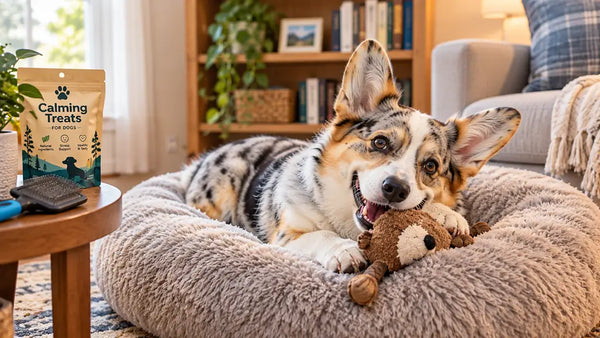
What you get is a dog that looks like a Corgi but acts like it's got a job to do. They're often described as "big dogs in small packages," and honestly, that's the most accurate one-liner I've heard. The corgi blue heeler mix inherits the Corgi's short legs and long body, plus the Heeler's speckled or mottled coat patterns. Personality-wise? You're getting a herder, a thinker, and a comedian all rolled into one.
These aren't "starter dogs" for first-time owners who want a couch potato. They're for people who actually enjoy training, walking, and problem-solving with their pet. If that sounds like you, keep reading — because the cowboy corgi is genuinely one of the most rewarding mixes out there when matched with the right household.
History and Origins of the Corgi-Blue Heeler Blend
The cowboy corgi isn't a recognized breed by the AKC or any major kennel club. It's a purpose-bred mix that gained traction in the U.S. sometime in the 2000s, mostly among ranchers and rural families who wanted a smaller herding dog that could still handle cattle. Think about it: a full-size Australian Cattle Dog is 35–50 pounds of pure drive, and a Corgi is a stubborn little herding machine. Cross them, and you get something in between — a dog that can nip at heels all day but fits in the truck cab.
The exact origin story is a little murky because designer crosses rarely have clean paper trails. What we do know is that both parent breeds are working dogs with strong herding instincts. Corgis were bred to drive cattle in Wales, and Blue Heelers were developed in Australia to manage wild cattle in rough terrain. Combining them wasn't about creating a show dog — it was about practicality. Over time, though, the mix caught on with suburban families who just liked the look and the personality.
And here's a quotable takeaway: the cowboy corgi exists because two hardworking herding breeds happened to complement each other in size, drive, and loyalty — not because anyone was chasing a trend.
Appearance and Size of the Cowboy Corgi
How Big Does a Cowboy Corgi Get?
A full-grown cowboy corgi typically weighs between 20 and 35 pounds and stands 10–15 inches tall at the shoulder. Males tend to run slightly larger, but the range overlaps a lot depending on which parent's genetics pull harder. Some lean more toward the Corgi side at 20–25 pounds, while others bulk up closer to 35 if the Heeler genes dominate.
The cowboy corgi size makes them a solid "medium-small" dog — big enough to hike and play rough, small enough to scoop into your lap. That said, don't let the compact frame fool you. These dogs are dense. Picking one up feels like lifting a bag of cement with a heartbeat.
One thing to note: because both parent breeds are chondrodystrophic — meaning they have short legs and longer backs — the cowboy corgi carries a higher risk of spinal issues. That's a real concern, and we'll get into it in the health section. For now, just know that keeping this dog lean and fit isn't vanity; it's spinal insurance.
Coat Colors, Patterns & Body Structure
Cowboy corgi coat colors are all over the map. You'll see classic Corgi reds and sables, but you'll also get the Heeler's blue or red speckling, mottled patches, and sometimes a full "mask" across the face. The coat itself is usually medium-length, dense, and weather-resistant. It's a double coat, which means shedding is a fact of life — more on that later.
Body structure-wise, you're looking at a dog with a long torso, short legs, upright ears (some have one ear that flops, which is adorable), and a sturdy, muscular build. The tail situation varies — some cowboy corgis are born with natural bobtails, while others have full tails. Eyes are usually dark and alert. There's a real intensity in their gaze, like they're always calculating something.
Because their coats are dense and they have low body fat, cowboy corgis can get cold in harsh winters. A navy blue pet sweater with a pom-pom accent isn't just cute — for a short-legged, thin-coated dog, it's genuinely useful on January walks. And yes, I put one on Biscuit during a cold snap in Denver, and he strutted like he owned the block.
Temperament and Personality
What Is the Temperament of a Cowboy Corgi?
The cowboy corgi temperament is best described as alert, intelligent, and intensely loyal — with a stubborn streak that'll test your patience. These dogs bond hard with their people. Like, follow-you-to-the-bathroom hard. They're natural watchdogs, so expect some barking when the mail carrier shows up. It's not aggression; it's just their herding brain saying, "Hey, something changed out there."
They're also incredibly playful and have a real sense of humor. Biscuit used to hide my slippers behind the couch and then sit there wagging his tail like he'd solved world hunger. But that same intelligence means they get bored fast. A bored cowboy corgi will invent its own entertainment, and you probably won't like what it comes up with — think chewed baseboards, dug-up flower beds, or a full-scale sock heist.
Socialization matters a lot with this mix. They can be reserved or even wary with strangers if they aren't exposed to new people, dogs, and environments early. They also have a strong prey drive — cats and small pets need careful introductions. If you already have a cat, a cowboy corgi puppy raised alongside one can learn to coexist, but it's not guaranteed.
Are Cowboy Corgis Good with Kids?
Cowboy corgis can be great with kids, but the fit depends on the kid's age and the dog's training. They're herding dogs by instinct, which means they may try to "round up" running children by nipping at heels. That's not aggression — it's genetics. With consistent training and clear boundaries, most cowboy corgis learn to play gently. But young kids who don't understand dog body language are a bad match for any herding breed without heavy supervision.
The CDC's guidance on dog bite prevention is worth repeating here: never leave young children alone with any dog, even the family pet. Kids are more likely than adults to be bitten, and most bites happen during everyday interactions with familiar dogs. That's not about cowboy corgis specifically — it's just good practice for any household with kids and dogs. For families with older children who can participate in training and respect the dog's space, a cowboy corgi can be an amazing companion. They're protective, playful, and they genuinely seem to enjoy being part of the family action.
One product that helps in multi-pet or kid-heavy homes is a calming bed. The Western Home Calming Soft Round Dog & Cat Bed gives a herding dog a designated "off-duty" zone where it can decompress. Every cowboy corgi needs a place to switch off, especially in a busy house.
Exercise Needs and Activity Levels

Are Cowboy Corgis High Energy?
Yes — cowboy corgis are high-energy dogs that need significantly more exercise than their size suggests. You're combining a Corgi (which was bred to herd cattle all day) with a Blue Heeler (which was bred to herd cattle across Australian outback). Neither parent breed is a lapdog, and the mix inherits that drive. If you're looking for a dog that's happy with a quick pee break and a nap, this isn't it.
The good news is that their exercise needs are manageable if you're an active person. The bad news is that a 20-minute walk around the block won't cut it. A bored cowboy corgi becomes a destructive cowboy corgi, and that's when the chewed shoes and dug-up yards start. The American Veterinary Medical Association recommends building gradually to 15-minute periods of brisk walking and allowing for cool-down time, which is solid advice for any dog — but a cowboy corgi will need multiple sessions like that throughout the day, plus mental work.
A good leash helps too. The Retractable Dog Leash – 3M Automatic Pink Leash is a decent option for small-to-medium dogs like cowboy corgis, though I'd still recommend a standard 6-foot leash for training sessions. Retractables are for sniffari walks, not for teaching loose-leash manners.
How Much Exercise Does a Cowboy Corgi Need?
A cowboy corgi needs 60–90 minutes of structured exercise every day, split into at least two sessions. That's the baseline for an adult dog. Puppies need less — rule of thumb is five minutes of formal exercise per month of age, twice a day — and seniors may need shorter, gentler sessions.
"Structured" is the key word. Just letting them out in the yard doesn't count, because most cowboy corgis will just patrol the fence line and bark at squirrels. They need walks, fetch, tug, flirt poles, puzzle toys, or training drills. Mental exercise tires them out just as much as physical — sometimes more. A 20-minute training session can be as draining as a 40-minute walk for this breed.
A study in Preventive Veterinary Medicine found that for each additional hour of weekly exercise, the odds of obesity in dogs decreased significantly. That's not a cowboy corgi-specific finding, but it applies here because this mix can pack on pounds if under-exercised. And extra weight on a long-backed, short-legged dog is a recipe for spinal problems down the road.
For indoor enrichment, a good squeaky toy goes a long way. The Outward Hound Hedgehogz Soft Plush Squeaky Dog Toy is a solid pick for tug and fetch inside the house. Just don't expect it to survive a determined chewer for more than a few weeks — cowboy corgis are tough on toys.
Exercise Comparison: Cowboy Corgi vs. Other Active Breeds
How does the cowboy corgi stack up against other high-energy breeds? Here's a side-by-side look at daily exercise needs.
Bottom line: if you can handle a Border Collie's exercise schedule but want a smaller dog, the cowboy corgi is in your lane. If a 30-minute walk leaves you winded, this isn't the breed for you.
Cowboy Corgi Essentials from PawVortex
Calming & Orthopedic Pet Beds


Dog Food — Dry, Wet & Fresh


Pee Pads & Training Pads


Plush, Squeaky & Chew Toys


Automatic & Smart Feeders

Treats, Biscuits & Training Bites

Interactive, Puzzle & Enrichment Toys

Training Tips for Cowboy Corgi Puppies
Are Cowboy Corgis Easy to Train?
Cowboy corgis are highly trainable but not "easy" in the hands-off sense — they learn fast and they learn stubborn. This is a dog that will absolutely figure out what you want, then decide whether it's worth doing. Positive reinforcement works best. Treats, praise, and play are your tools. Harsh corrections backfire with this mix because they're sensitive and they hold grudges. I'm not kidding — Biscuit once sulked for an entire evening because I said "no" too sharply when he jumped on the counter.
The cowboy corgi training window starts early. Puppies as young as 8 weeks can begin basic commands like "sit" and "come." Socialization should start immediately too — expose them to different people, sounds, surfaces, and gentle handling. A well-socialized cowboy corgi is confident and friendly; an under-socialized one can become reactive and suspicious.
Short sessions work best. Five to ten minutes, two or three times a day. Their attention spans are short when young, and drilling for 30 minutes straight will just frustrate both of you. And here's a quotable takeaway: a cowboy corgi that's mentally tired is a cowboy corgi that's well-behaved — training is exercise for the brain.
Best Training Approach for a Cowboy Corgi Puppy
The best approach for a cowboy corgi puppy combines structure, consistency, and a whole lot of patience. Here's a practical timeline.
For teething puppies, having the right chew toys matters. The Zeaxuie 9 Pack Puppy Chew Toys set gives a cowboy corgi puppy plenty of legal things to bite instead of your furniture. It includes rope toys, a treat ball, and plush squeakers — variety keeps them engaged so they don't get bored and redirect onto your baseboards.
Common Training Mistakes to Avoid
The biggest mistake people make with cowboy corgis is treating them like lapdogs. They're not. They need boundaries, rules, and consistent expectations from day one. Another common mistake is skipping socialization because the puppy is cute and you want to keep them home. That backfires spectacularly around the 6-month mark when the dog becomes reactive and fearful.
Also, don't rely on punishment-based training. These dogs are smart enough to figure out what you want without being yanked around. And finally — don't skip the mental work. A cowboy corgi that only gets physical exercise but no brain games is still going to be a handful. Training IS enrichment for this breed. Treat it that way.
Grooming and Shedding
Do Cowboy Corgis Shed a Lot?
Yes — cowboy corgis shed a lot, and they shed year-round. Both parent breeds are double-coated, so you're getting a dog that blows its coat twice a year and sheds consistently in between. If you're someone who can't handle fur on your couch, your clothes, and occasionally in your breakfast, this isn't the dog for you. I found Corgi glitter in my coffee mug more times than I care to admit.
Brushing is the best defense. A slicker brush with long pins works well for their dense undercoat. The Extra-Long Pin Slicker Brush & Comb Set is designed for double-coated breeds like this, and it gets down to the skin where the loose fur lives. Brush two to three times a week during normal shedding, daily during coat-blowing season.
Beyond brushing, you're looking at regular nail trims, ear checks, and dental care. Cowboy corgis are prone to dental issues because their mouths are small and teeth can crowd. Start tooth brushing early so it becomes normal, not a battle.
Basic Grooming Routine for a Cowboy Corgi
A solid weekly routine keeps the fur under control and catches problems early. Brush your cowboy corgi two to three times a week with a slicker brush and a metal comb. Check ears for redness or debris. Trim nails every three to four weeks. Bathe every six to eight weeks — more often if they get muddy, but not too often because it strips natural oils.
During shedding season — usually spring and fall — you'll need to brush daily and maybe consider a de-shedding tool. And honestly? A good vacuum is a dog owner's best friend when you've got a double-coated breed. It's just part of the deal.
Health and Lifespan
Are Cowboy Corgis Healthy?
Cowboy corgis are generally healthy dogs with a lifespan of 12–15 years, but they do inherit specific health risks from both parent breeds. The biggest concern is intervertebral disc disease, or IVDD, which affects both Corgis and Australian Cattle Dogs because of their chondrodystrophic body shape — short legs, long backs. Other issues include hip dysplasia, eye conditions like progressive retinal atrophy, and a genetic sensitivity to certain drugs called the MDR1 gene mutation.
The good news is that responsible breeding reduces risk. If both parents are health-tested and clear of major genetic conditions, your puppy's odds of serious issues drop significantly. The bad news is that many cowboy corgis come from backyard breeders who don't do any testing. That's why buying from a reputable source matters so much.
Omega-3 supplements can support joint and skin health. The Zesty Paws Wild Alaskan Salmon Oil is one option that's easy to add to food. It's not a cure for anything, but it's a reasonable addition to a joint-supportive routine for an active dog.
Common Health Problems in Cowboy Corgis
The most common cowboy corgi health issues are IVDD, hip dysplasia, and progressive retinal atrophy. IVDD is the big one — it's a degeneration of the spinal discs that can lead to pain, weakness, and in severe cases, paralysis. Because cowboy corgis have long backs and short legs, the discs between their vertebrae take more stress than those in a longer-legged dog.
Keeping your dog lean is the single most important thing you can do to reduce IVDD risk. Every extra pound puts more load on that spine. Avoid letting them jump off furniture, especially when young. Use ramps or steps. And if you ever see signs of back pain — yelping when picked up, reluctance to move, wobbling in the back legs — get to a vet immediately. IVDD is treatable, but timing matters.
Skin health is another area to watch. Some cowboy corgis develop allergies or hot spots. A limited-ingredient diet or a skin-supportive treat can help. The Premium Legend Dog Skin Treats 5lb Bag is formulated for skin support and can be a good training reward for dogs prone to itching. As always, talk to your vet before adding supplements or changing diet.
Responsible Ownership and Health Testing
If you're buying a cowboy corgi puppy, ask for health clearances on both parents. You want to see OFA hip evaluations, eye clearances from a veterinary ophthalmologist, and genetic testing for the MDR1 mutation. A breeder who can't or won't show you these is a red flag.
Annual vet visits are non-negotiable. Your vet can catch early signs of disc problems, joint issues, or dental disease before they become major expenses. And if your dog does develop IVDD, working with a veterinary neurologist or rehab specialist can make a huge difference in outcome. This isn't a breed where you can skip preventive care.
Is a Cowboy Corgi Right for You?
Ideal Owner for a Cowboy Corgi
The ideal cowboy corgi owner is active, patient, and genuinely enjoys training. You don't need to be a professional dog trainer, but you do need to be willing to learn. This is a dog that will push boundaries and test rules, and if you're inconsistent, they'll walk all over you. They do best in homes with a yard or easy access to outdoor space, though apartment living can work if you're committed to multiple daily walks.
They're also great for people who want a dog that's up for anything — hiking, running, farm chores, agility, you name it. This isn't a dog that's happy being left alone for 10 hours a day. They bond hard and they get lonely. If you work long hours away from home, a cowboy corgi is probably not the right fit unless you have a dog walker or doggy daycare lined up.
Who Should Avoid This Breed
If you want a low-energy lapdog, a cowboy corgi will make you miserable — and you'll make them miserable too. Same goes if you're gone 12 hours a day, or if you're not willing to invest in training. First-time dog owners can succeed with this breed, but it's an uphill climb. They're not "beginner-friendly" in the way a Cavalier King Charles Spaniel or a Shih Tzu is.
Also, if you can't handle shedding, barking, or a dog that needs a job, look elsewhere. And if you have very young children who aren't old enough to understand gentle handling, a herding breed is a risky choice. Wait until the kids are older or choose a breed with a lower herding drive.
Should I Get a Cowboy Corgi or a Purebred Corgi?
A purebred Pembroke Welsh Corgi is the better choice for most first-time owners, apartment dwellers, and families with young kids who want a lower-maintenance herding breed. A cowboy corgi is the better pick for experienced owners who want more energy, more drive, and are prepared for the extra training demands.
Neither is "better" in a vacuum. It depends on your lifestyle, experience level, and how much time you can realistically give a dog every day.
Finding a Cowboy Corgi
Responsible Breeder Checklist
Finding a responsible breeder is the most important thing you can do to set yourself up for success. Here's what to look for and what to walk away from.
Expect to pay $800–$2,500 for a cowboy corgi puppy from a responsible breeder. If someone's selling them for $300 on Craigslist, walk away. That's a puppy mill or a backyard breeder who isn't testing anything.
Rescue and Adoption Options
Rescue is a fantastic option for cowboy corgis. Because they're a designer mix, they sometimes end up in shelters when owners realize they can't handle the energy. Corgi rescues, Australian Cattle Dog rescues, and general mixed-breed rescues all occasionally have cowboy corgis available. Adoption fees are usually $150–$400, and most rescues will have already done basic vetting.
If you have kids, a plush toy can help them feel part of the process while you're searching for the right rescue dog. The Husky Plush Toy – Soft Sleeping Pillow is a cute way to keep little ones excited about the new family member. It's not a cowboy corgi, but it's close enough in the fluff department.
If you go the rescue route, ask about the dog's history. Some cowboy corgis end up in shelters because of behavior issues that were never addressed — usually lack of training or exercise. With patience and consistency, many of these dogs thrive in the right home. But be honest about your capacity. A dog with a bite history or severe resource guarding needs an experienced handler.
Key Takeaways
The cowboy corgi is a 20–35 pound Corgi–Blue Heeler mix that combines affectionate loyalty with serious herding drive, making it a great fit for active, experienced owners. It needs 60–90 minutes of daily exercise plus mental enrichment, or it will find its own entertainment in ways you won't like. Grooming is a real commitment — double-coated, year-round shedders need brushing two to three times a week. Health-wise, IVDD and hip dysplasia are the main concerns, and keeping your dog lean is the single best preventive measure. If you're honest about your lifestyle and can meet this dog's needs, the cowboy corgi is one of the most rewarding mixes you can bring home.

About PawVortex
PawVortex is your trusted partner in pet care — design-forward, expert-curated solutions for every stage of your pet's journey. Free shipping on orders over $35.
hello@pawvortex.com · www.pawvortex.com · Facebook · Instagram · YouTube
Frequently Asked Questions
What is a Cowboy Corgi?
How big does a Cowboy Corgi get?
Are Cowboy Corgis high energy?
Are Cowboy Corgis good pets?
Are Cowboy Corgis healthy?
How much exercise does a Cowboy Corgi need?
Are Cowboy Corgis easy to train?
Do Cowboy Corgis shed a lot?
What is the temperament of a Cowboy Corgi?
What health problems do Cowboy Corgis have?
Are Cowboy Corgis good with kids?
Should I get a Cowboy Corgi or a purebred Corgi?
Conclusion — A Rewarding but Demanding Dog
The cowboy corgi is an adorable, brilliant, and intensely energetic mix that pairs Corgi charm with Blue Heeler drive. It's a rewarding, capable companion for the right active, experienced owner — but genuinely demanding. This isn't a dog you can ignore for eight hours and expect to come home to a calm, well-adjusted pet. It needs work, attention, and a real commitment to exercise and training.
Be honest about your lifestyle. If the exercise and training needs fit your life, the cowboy corgi can be a fantastic partner — one of the most loyal, funny, and capable dogs you'll ever share a home with. If they don't, that's okay too. There's a right dog out there for everyone, and the cowboy corgi just isn't the one for every household.
For U.S. pet parents who are ready for the challenge, the cowboy corgi delivers tenfold on the effort you put in. And when you're ready to stock up on everything from chews to calming beds, PawVortex has your back.


